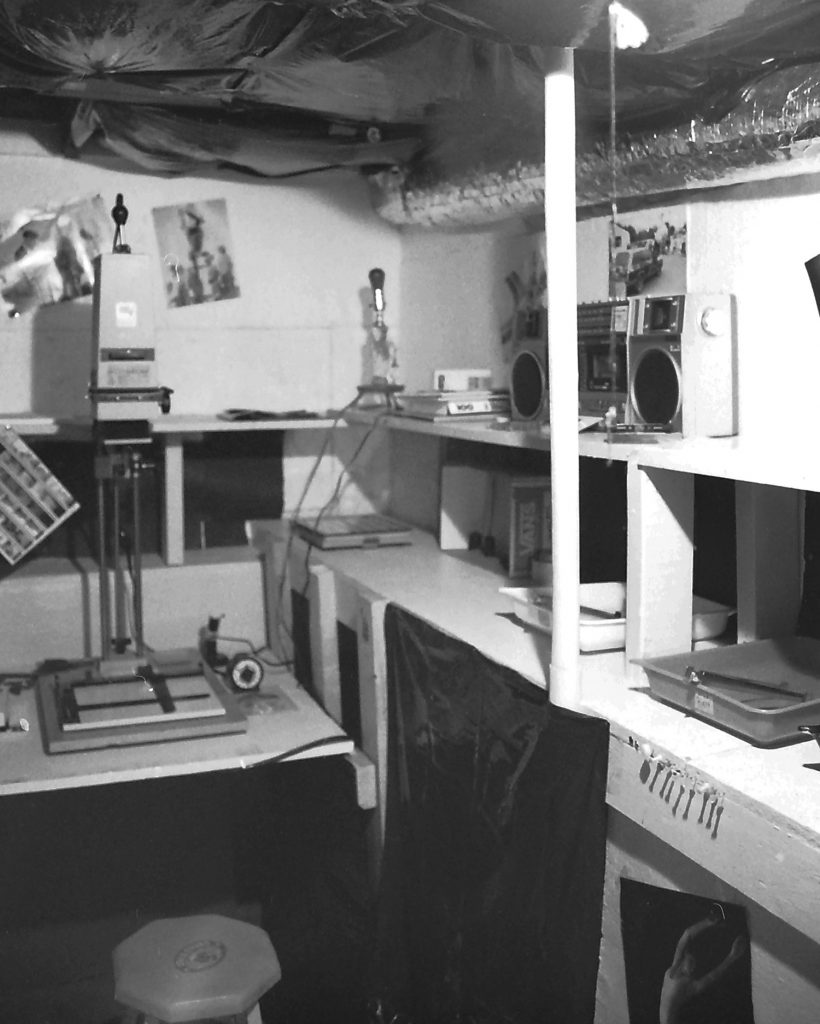
Dusting things off around here.
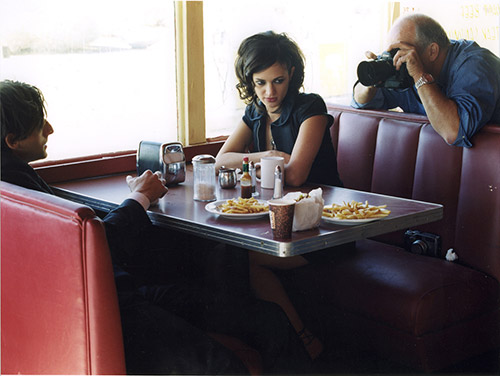
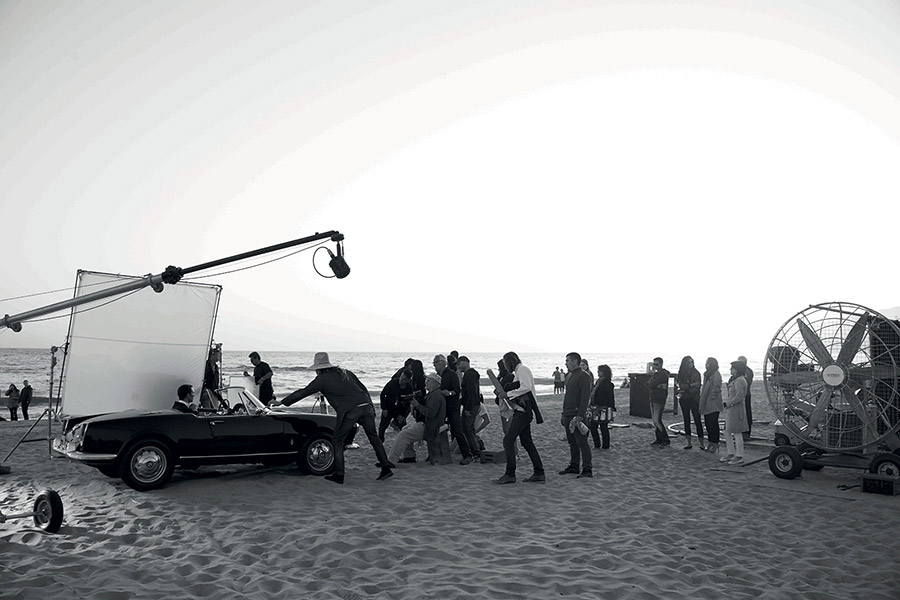
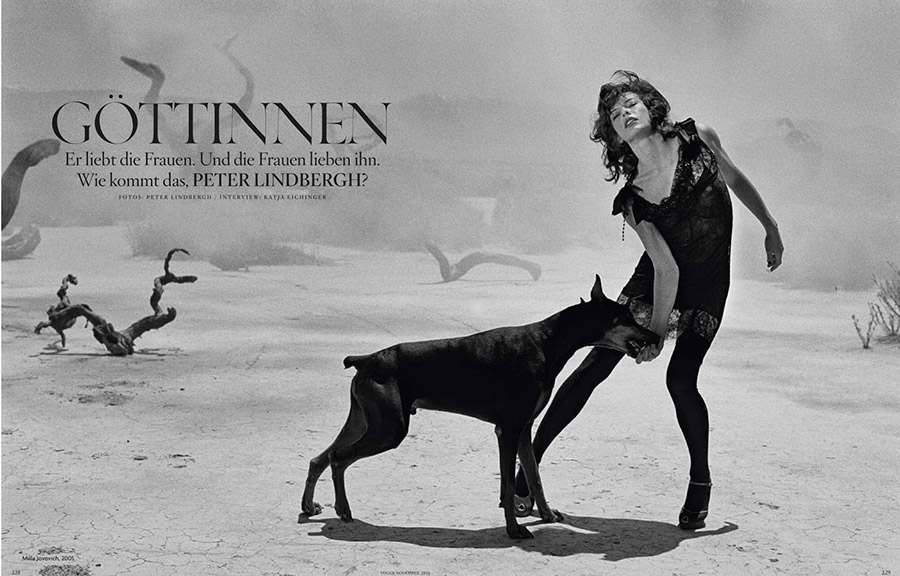
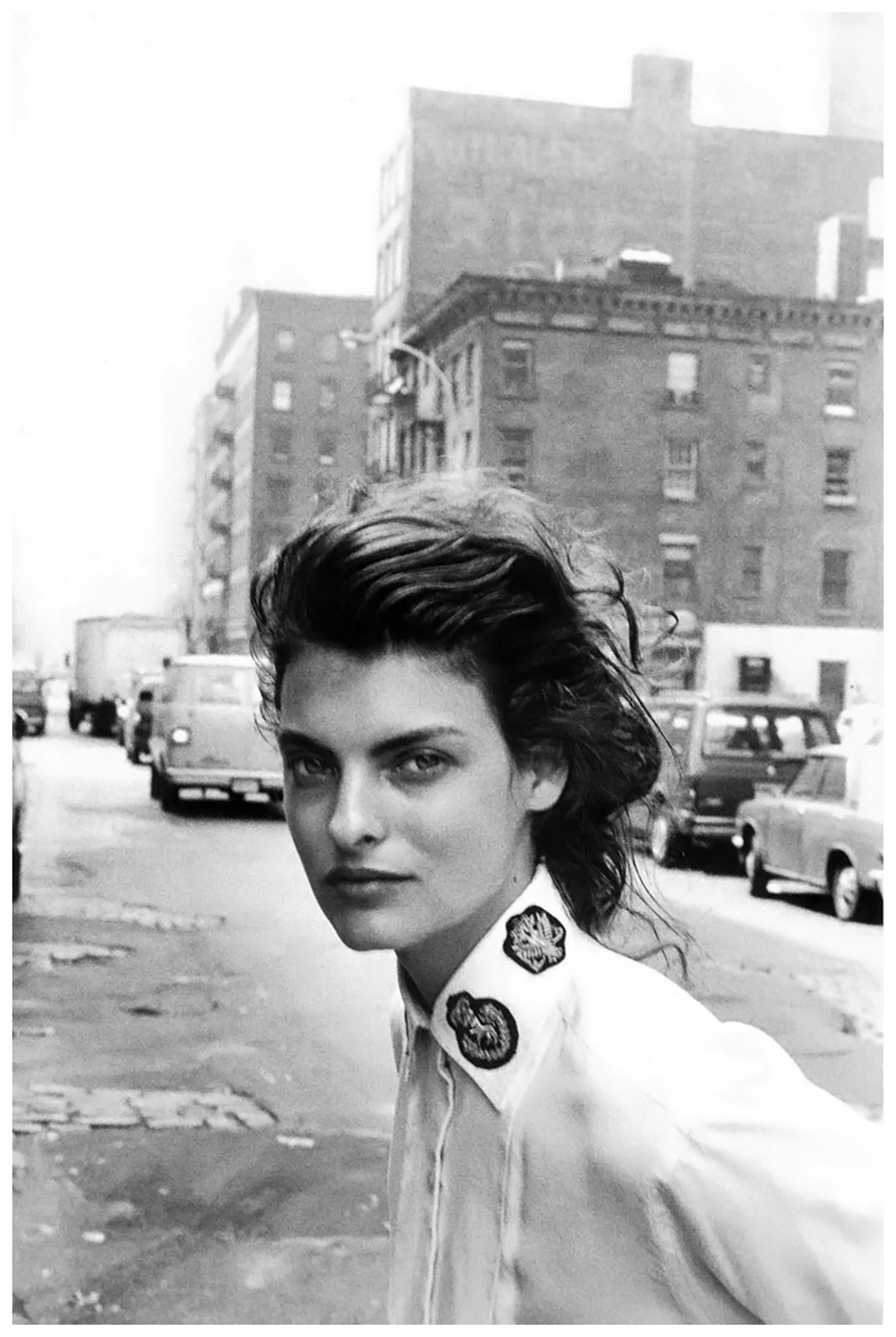
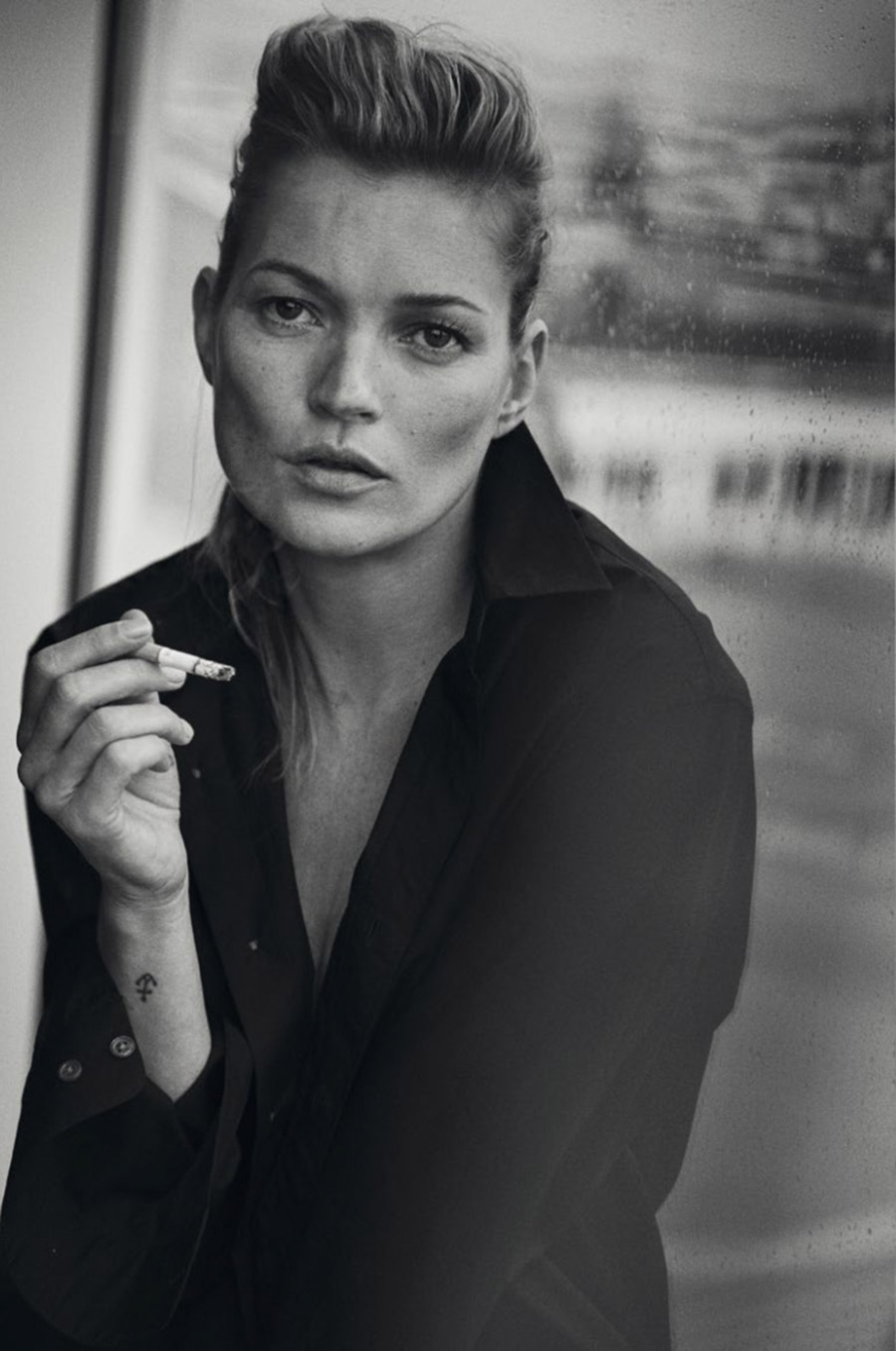
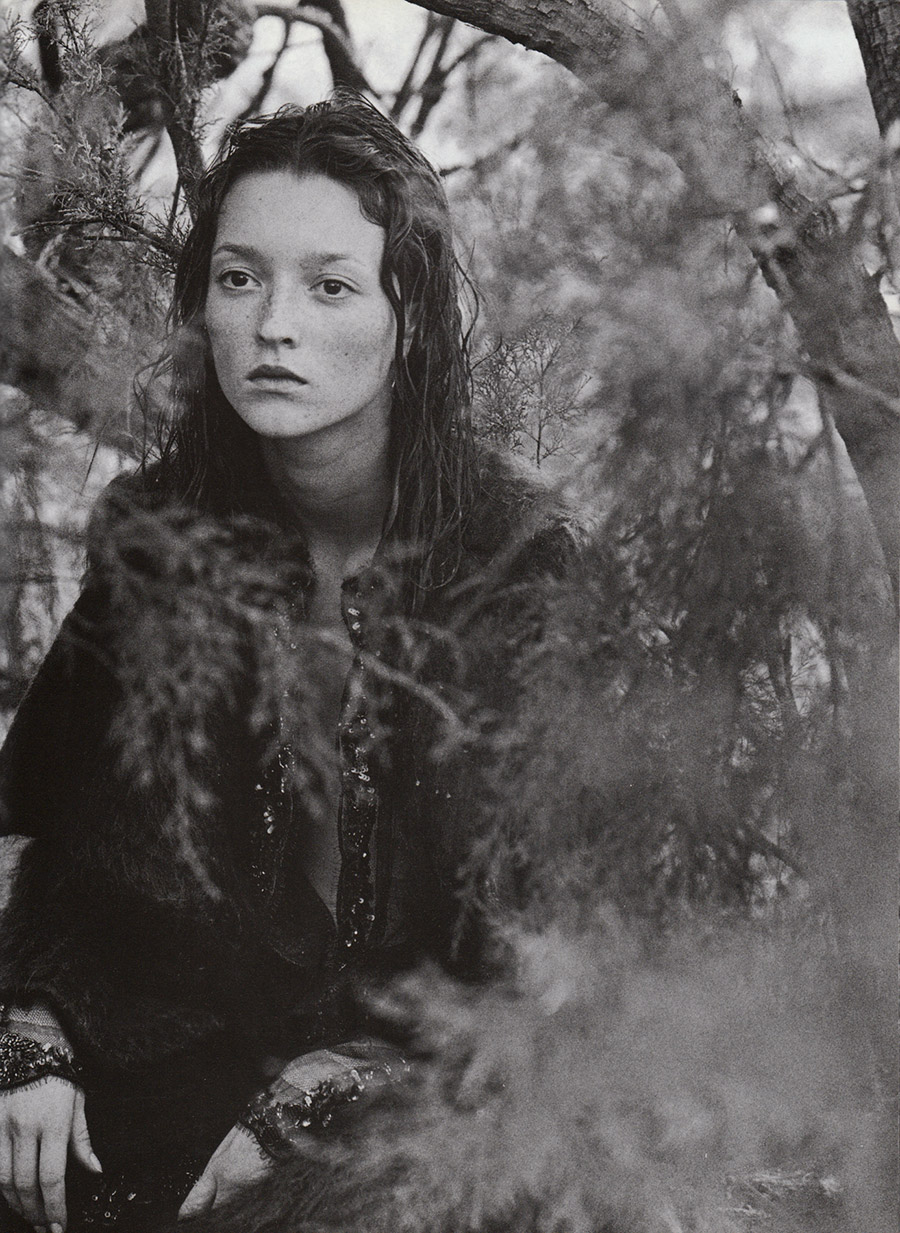
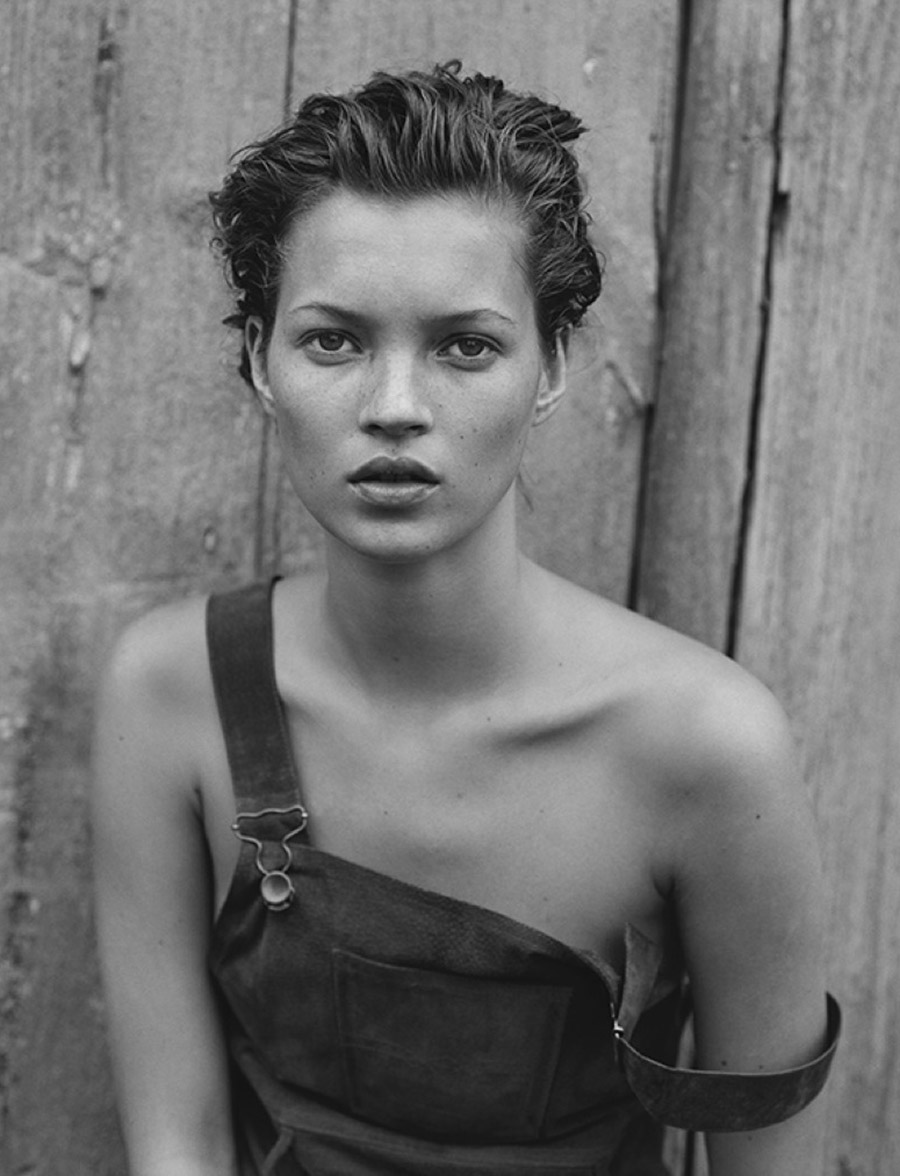
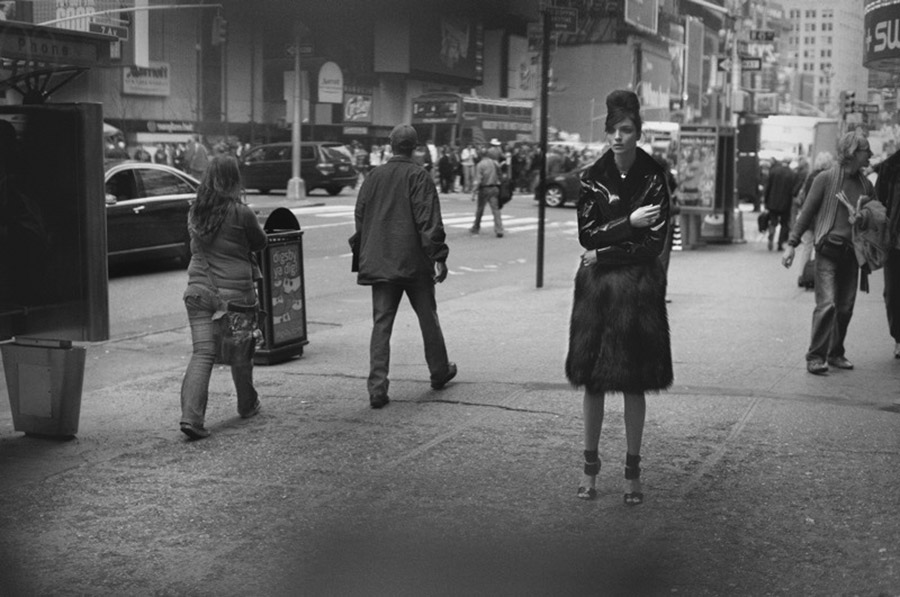
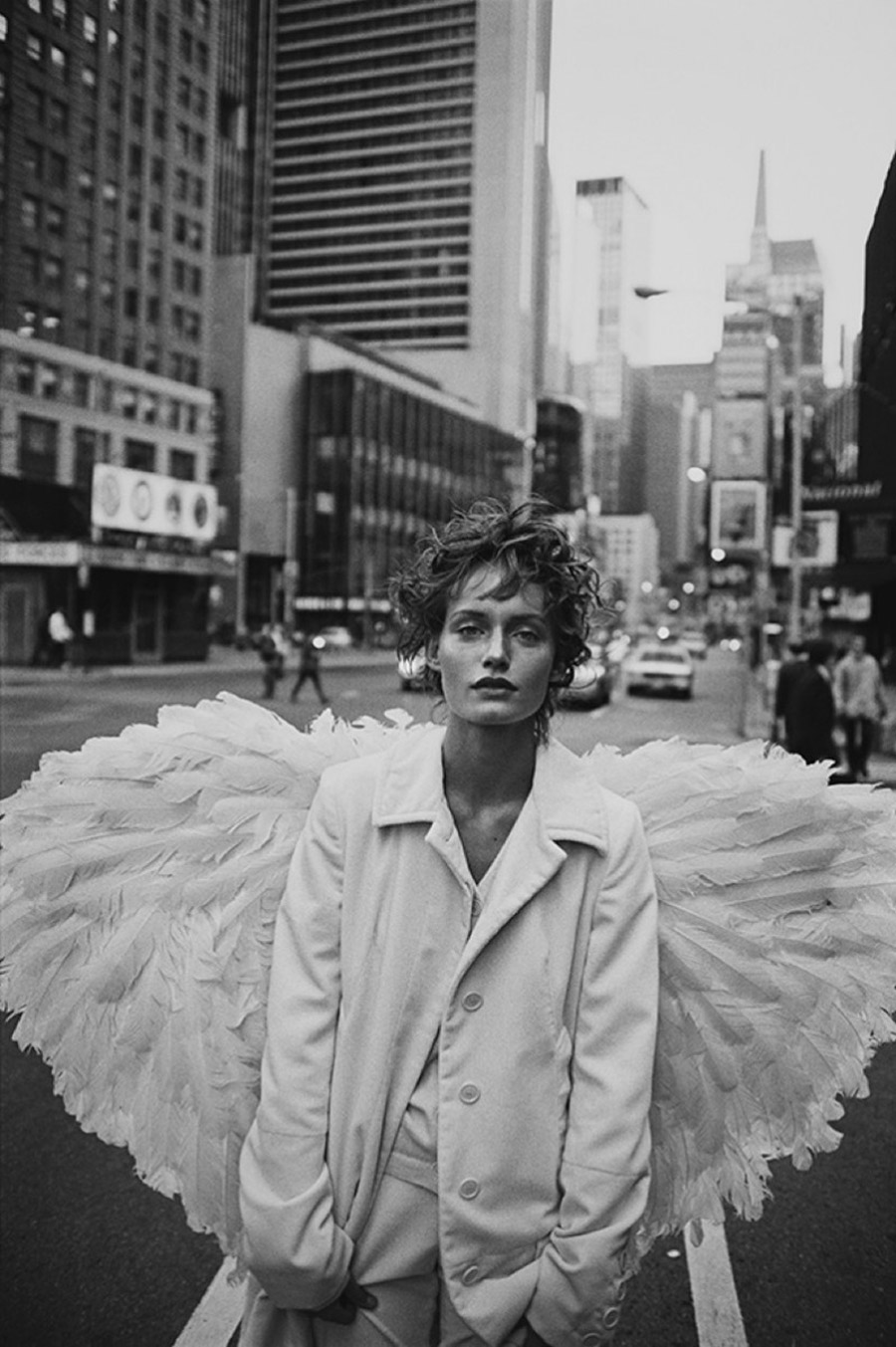
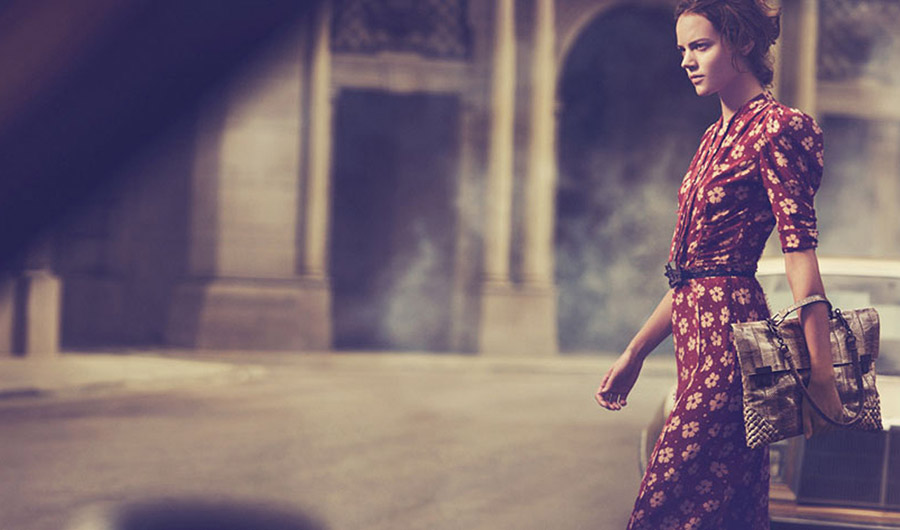
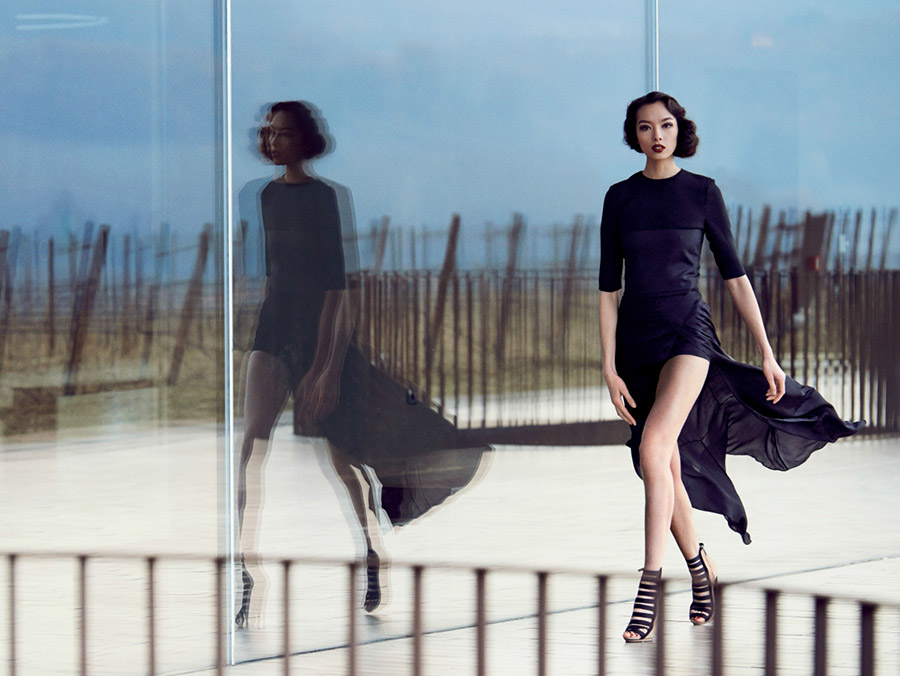
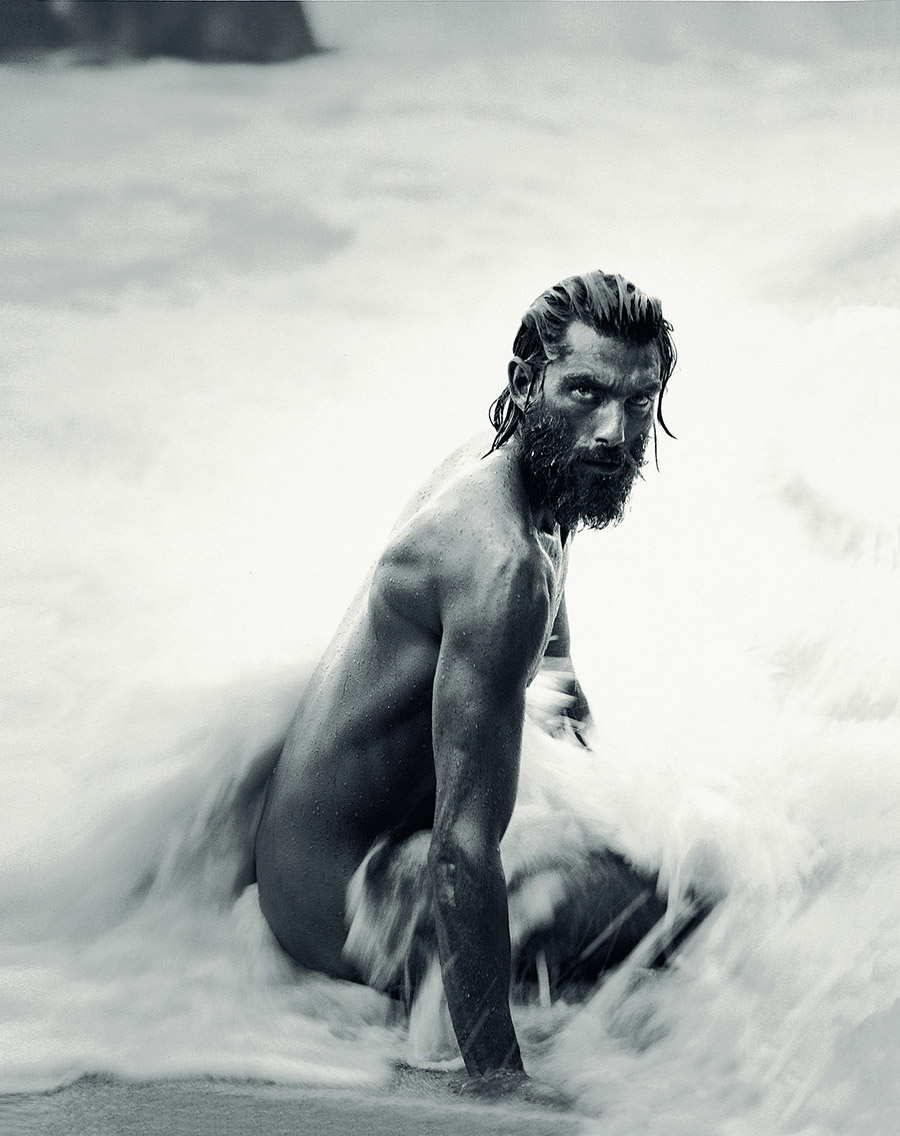
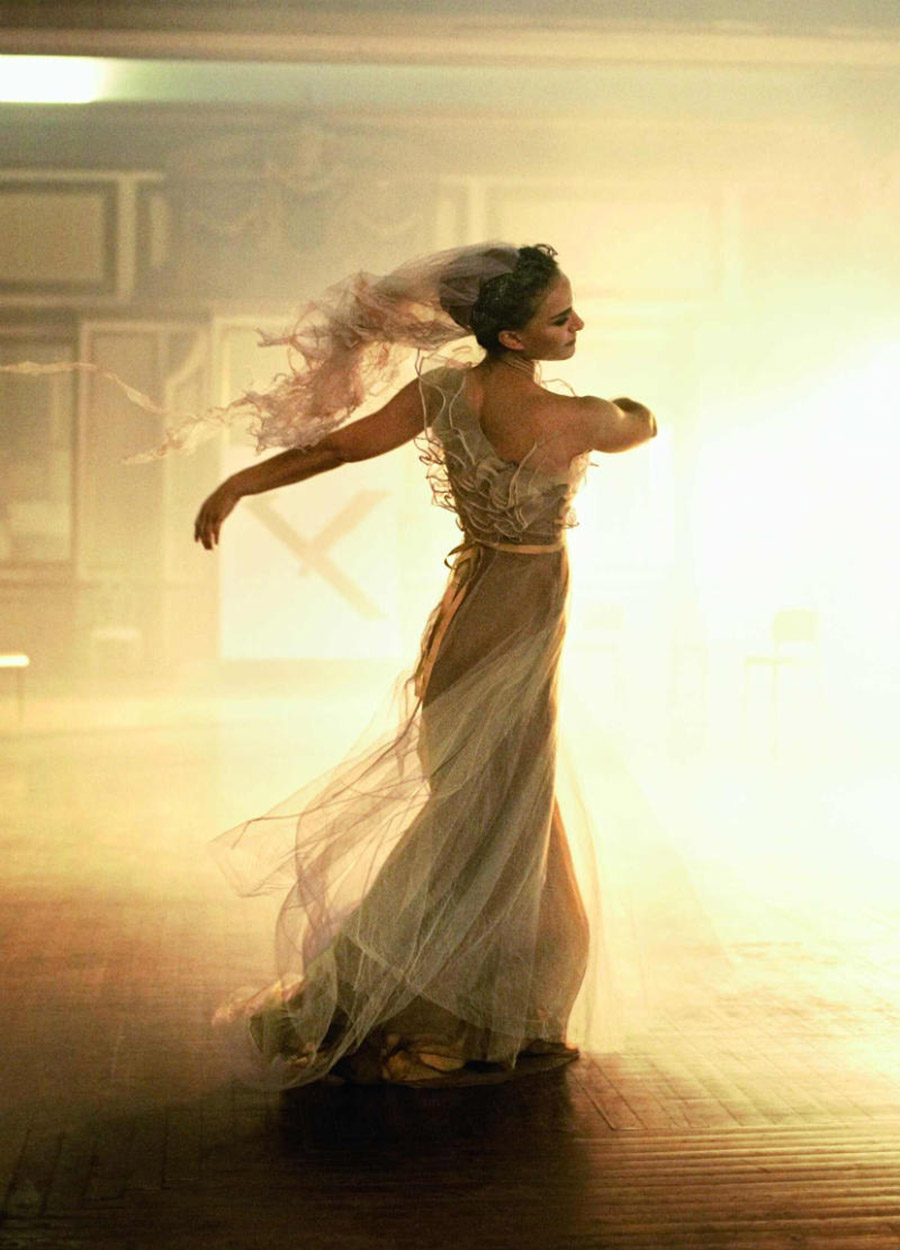
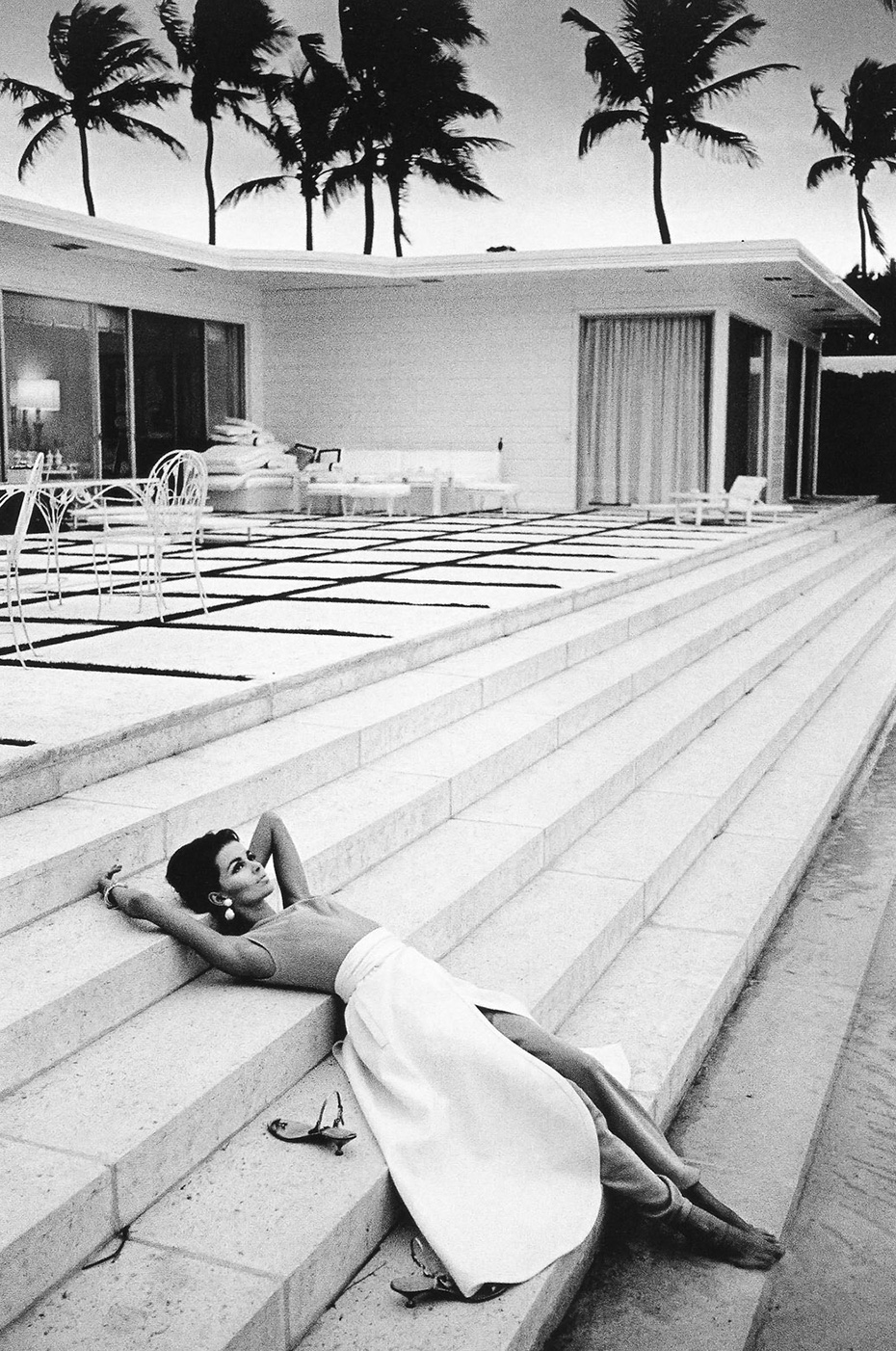
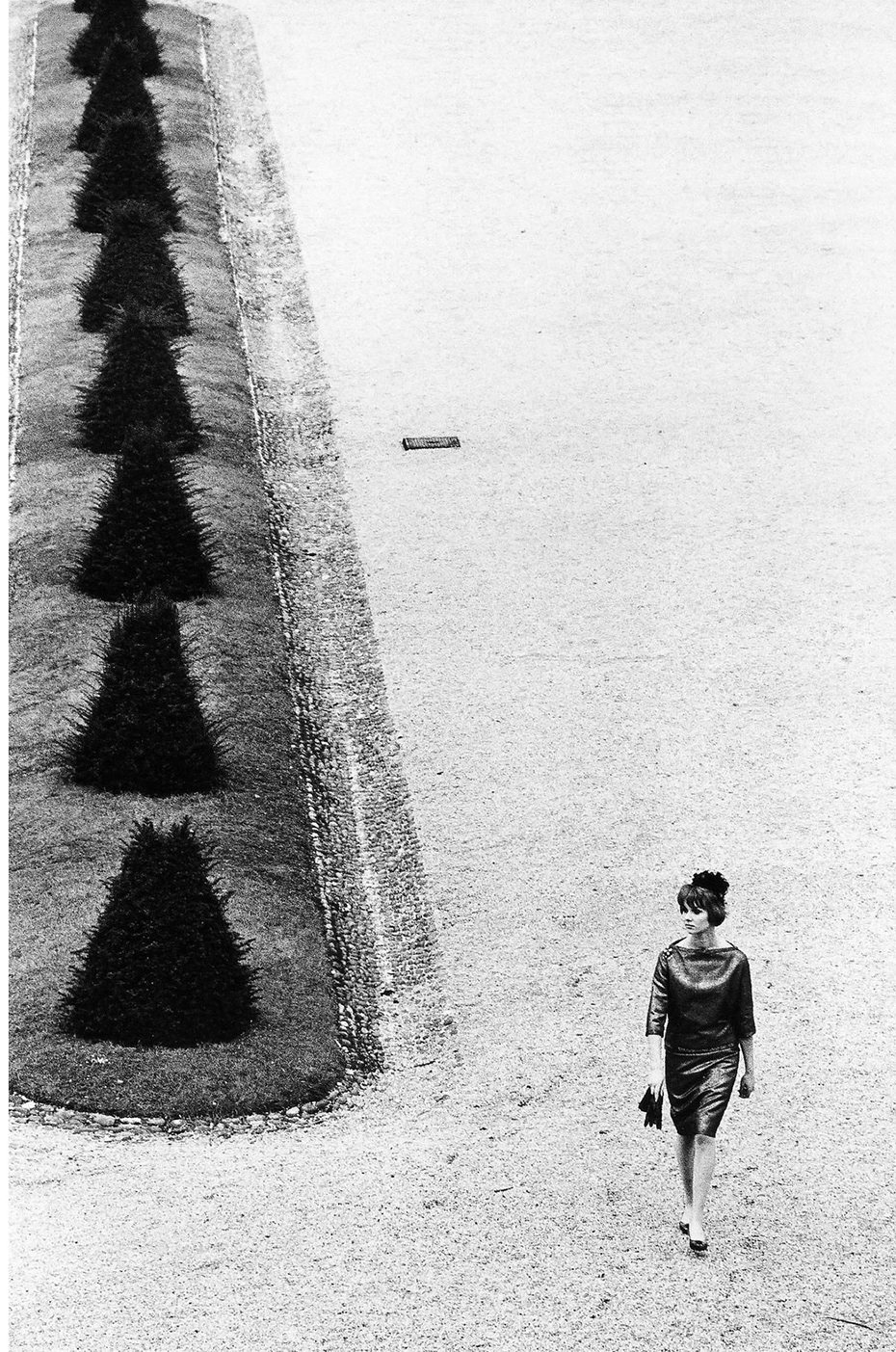
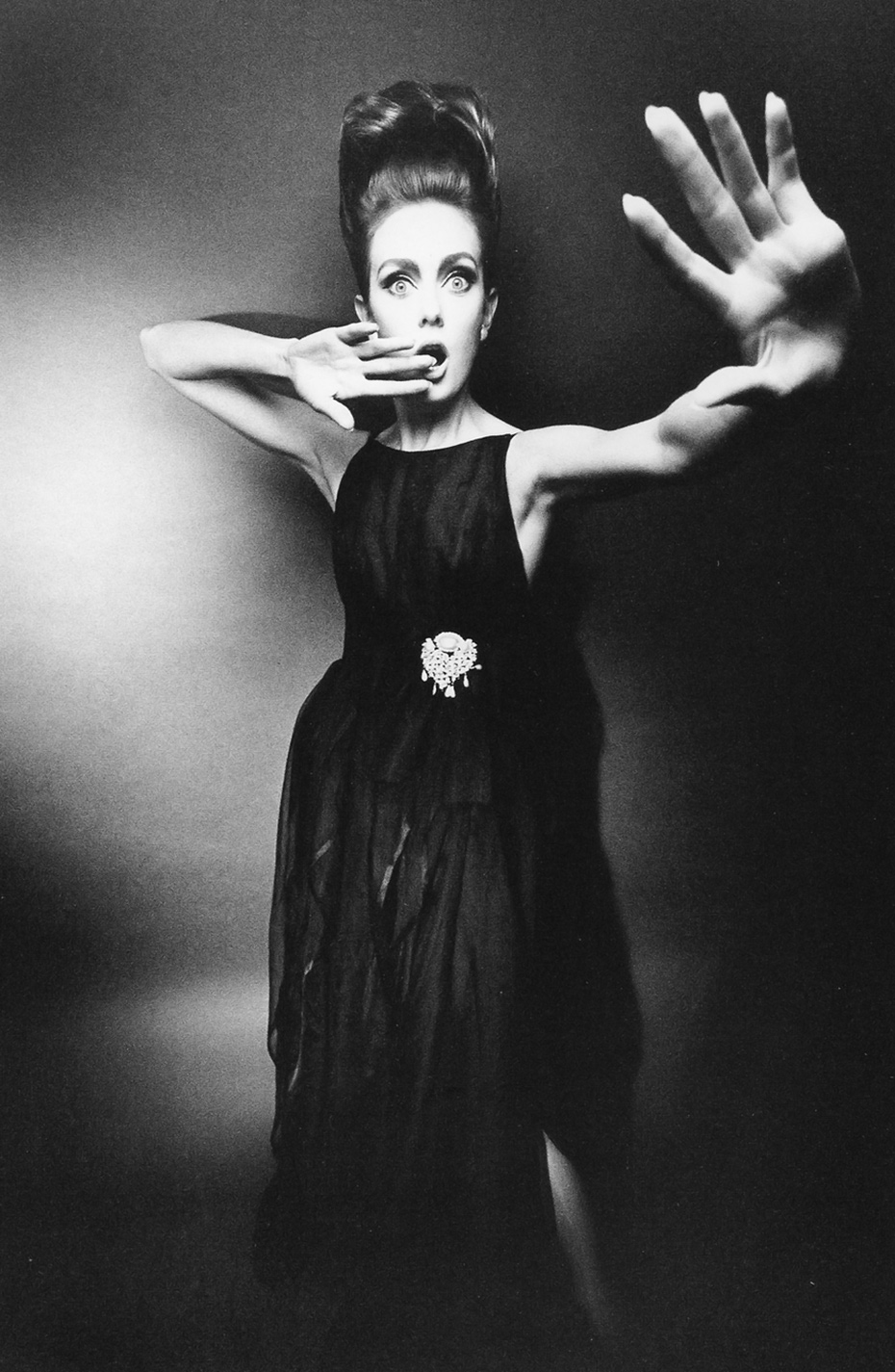
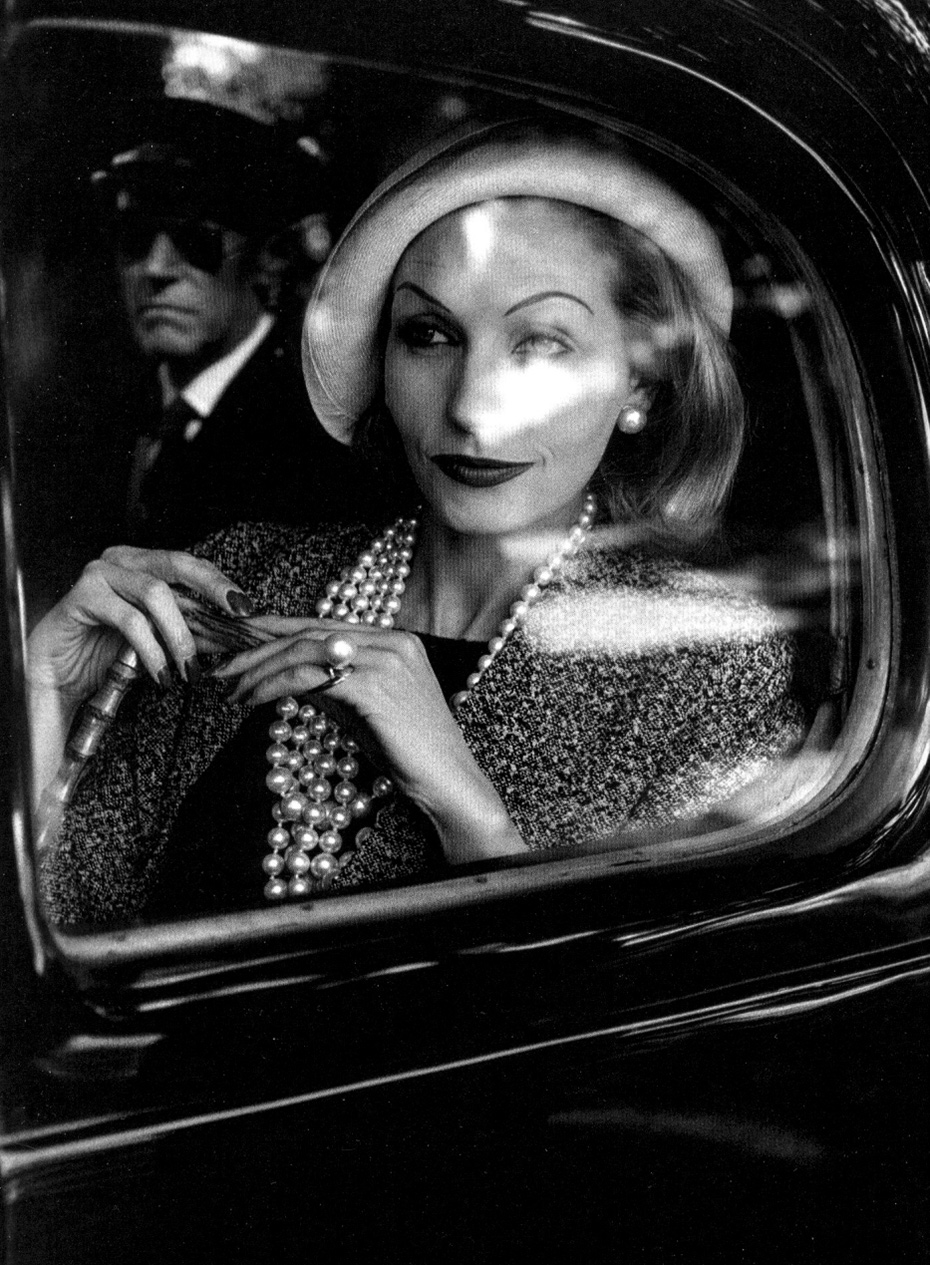
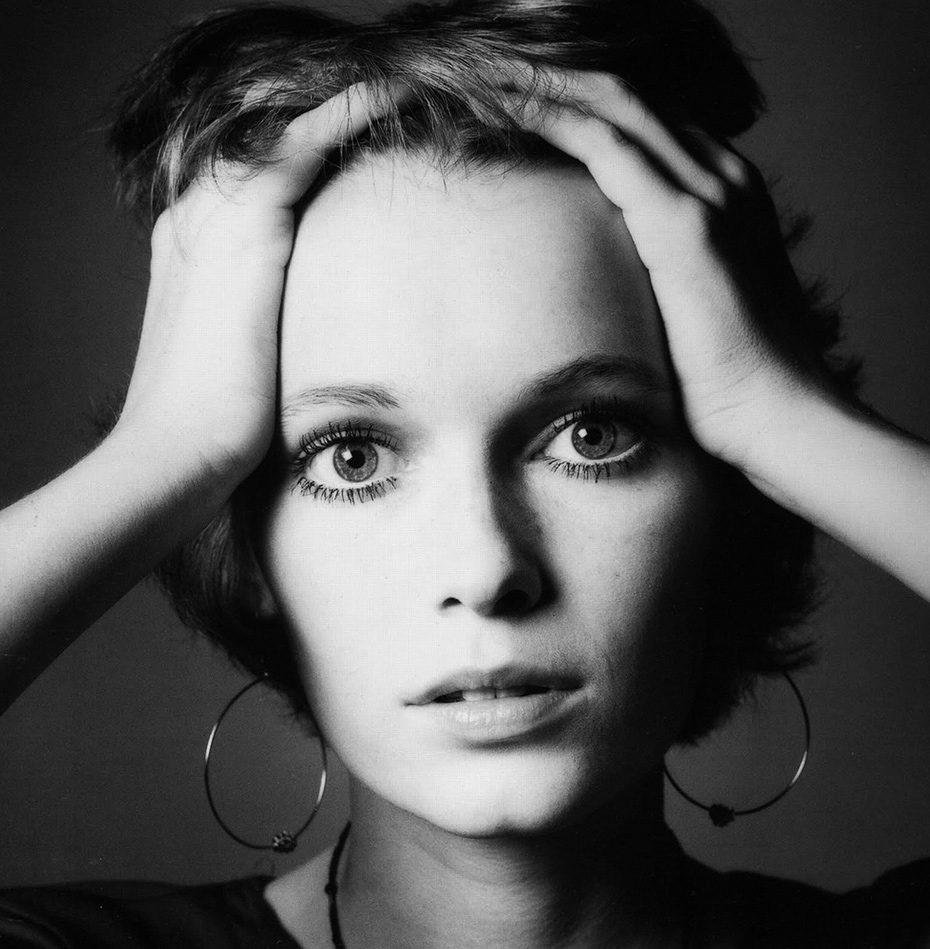
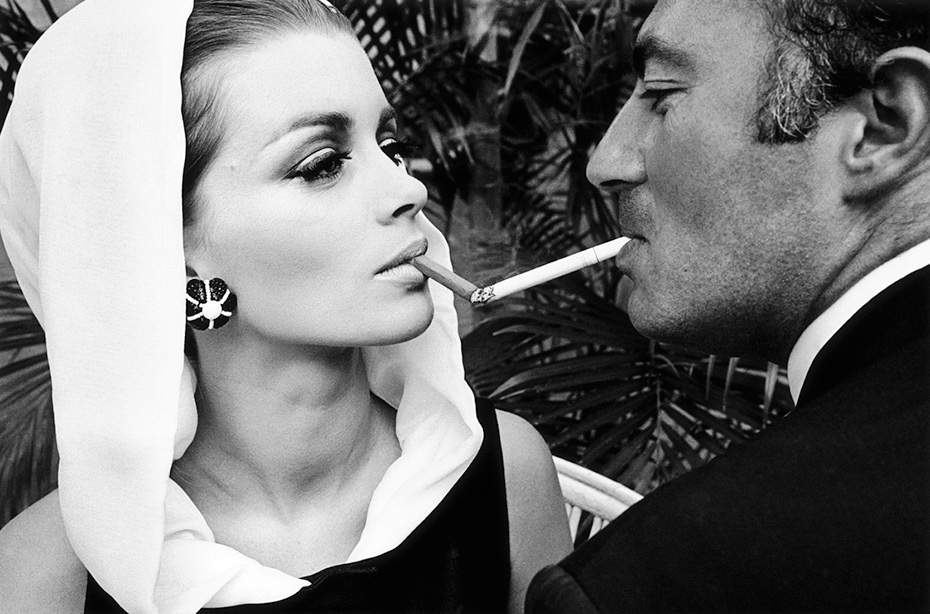
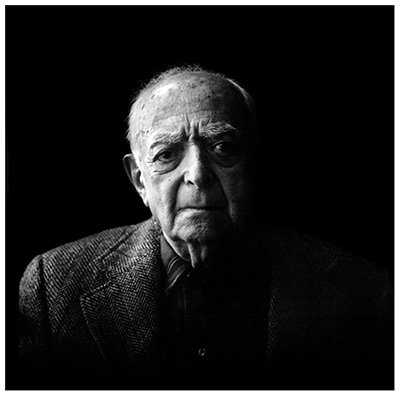
Since the 1980s, one of the most-discussed interpreters of fashion internationally. Photographs in black-and-white using a pictorial language that takes its lead from early German cinema and from the free dance of the 1920s.
Childhood in Duisburg (North Rhine-Westphalia). Employed as a window dresser for the Karstadt and Horten department stores in Duisburg.
At 18, he moved to Switzerland. Eight months later, he went from Lucerne to Berlin. Evening courses at the Academy of Fine Arts. Hitchhiked to Arles in the footsteps of his idol, Vincent van Gogh. Several months later he continued through Spain and Morocco, a journey that took him a period of two years.
Return to Germany. Studied Free Painting at the College of Art in Krefeld (North Rhine-Westphalia). In 1969, while still a student, first exhibition of his work at the renowned Galerie Denise René/Hans Mayer. Concept Art marked his last period of interest in art. In 1971 he turned his attention to photography. Worked for two years as assistant to Düsseldorf-based photographer Hans Lux.
—
http://www.peterlindbergh.com/biography
Source: peterlindbergh.com
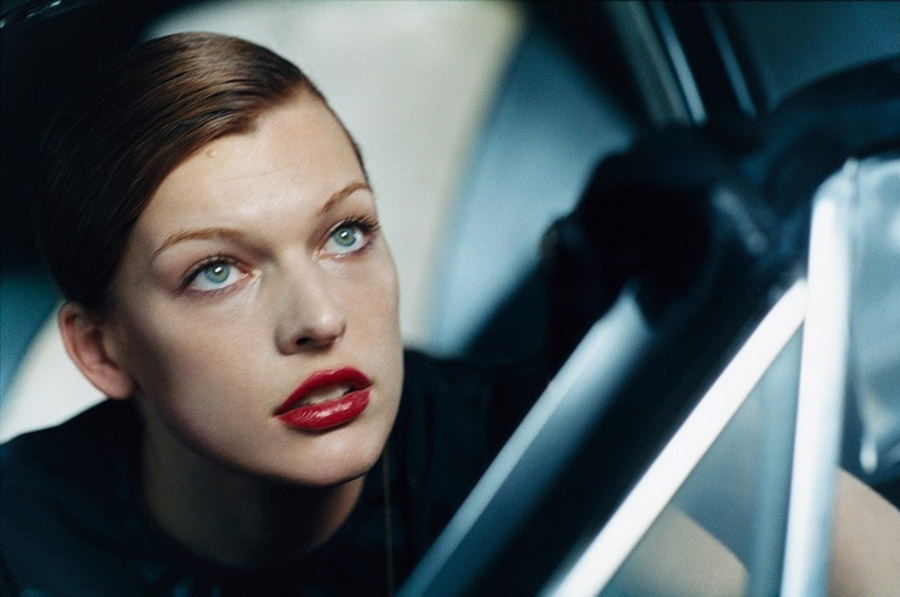
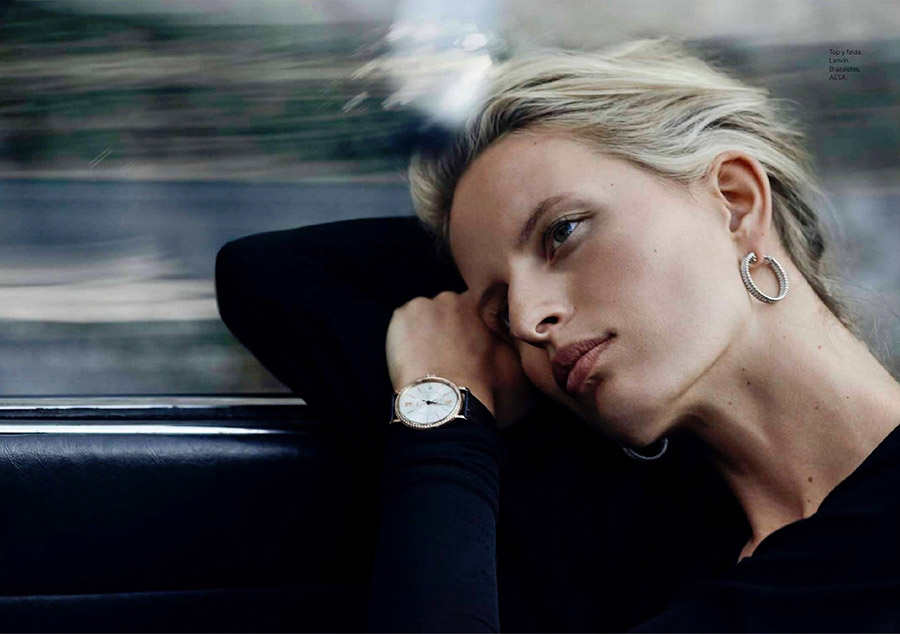
All Photographs by: Peter Lindbergh
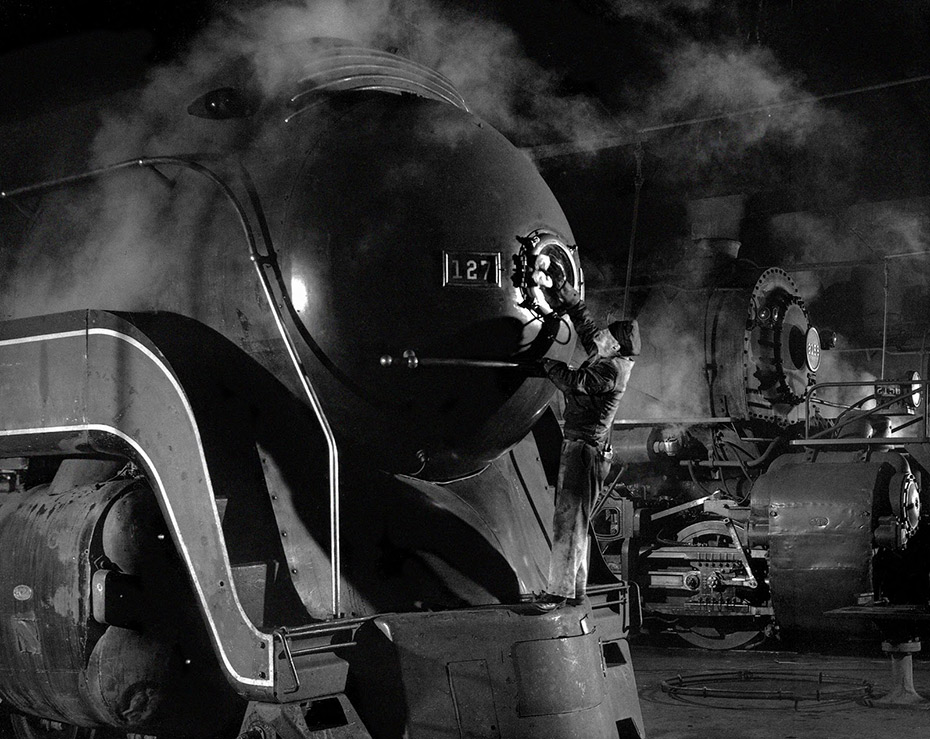
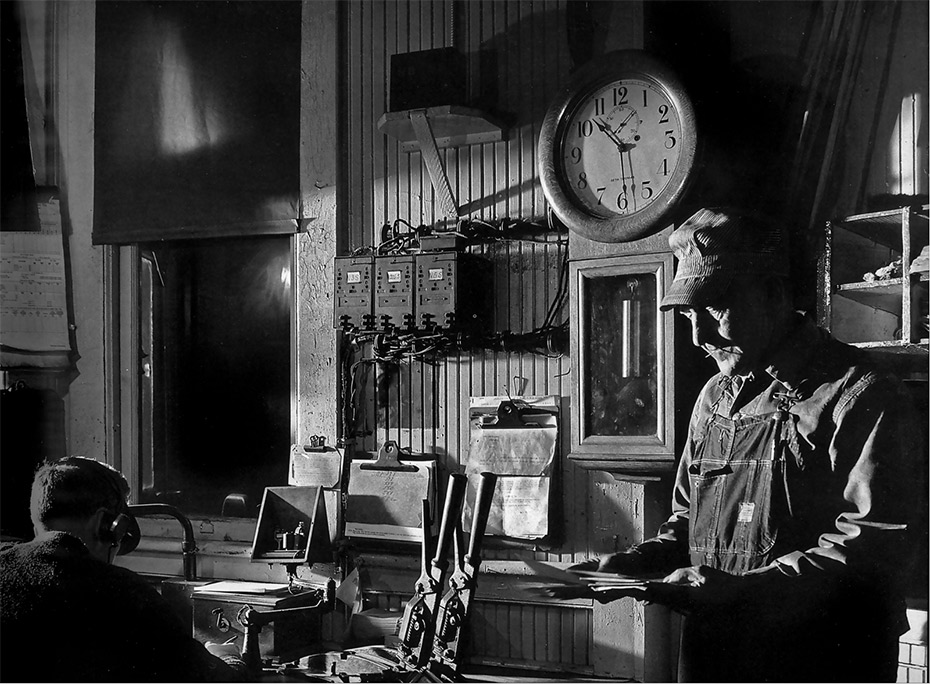
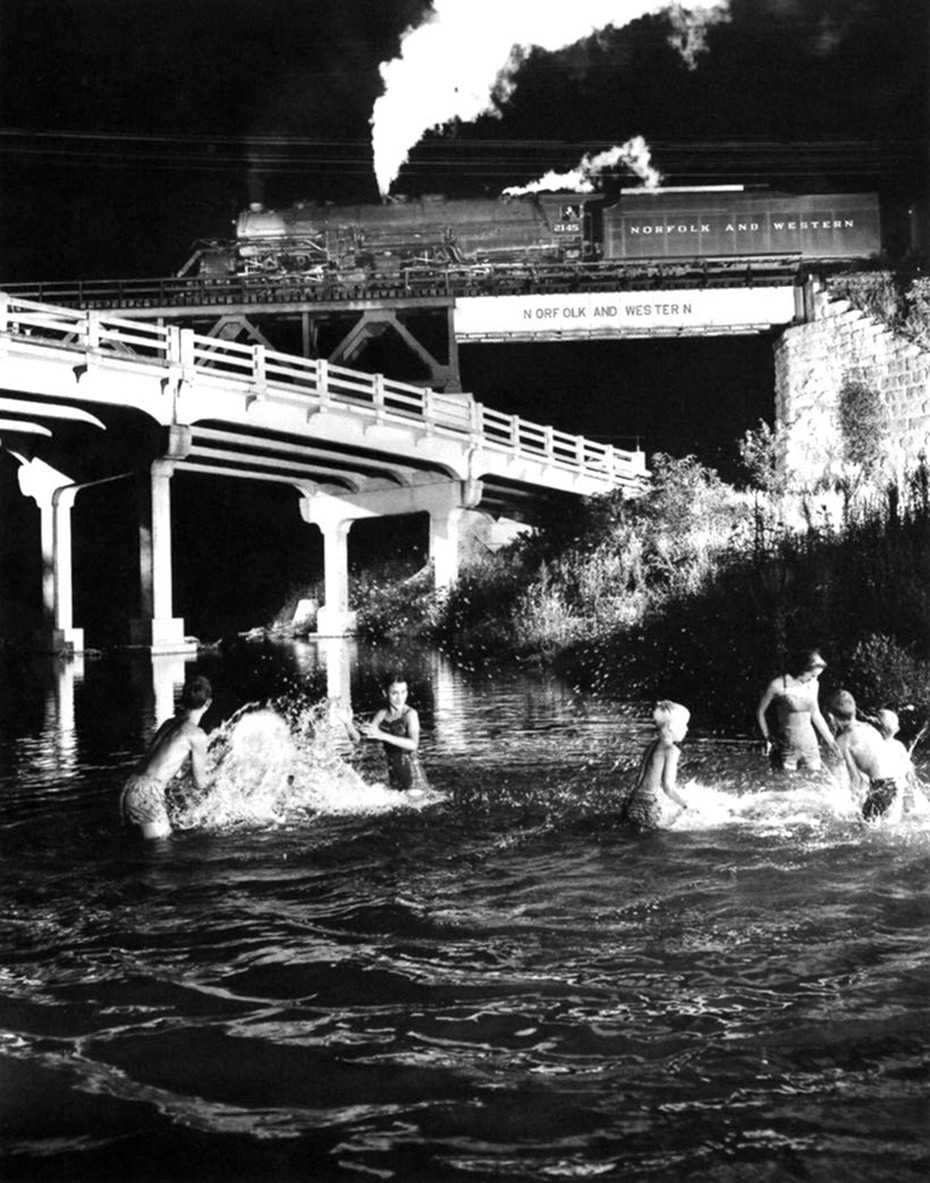
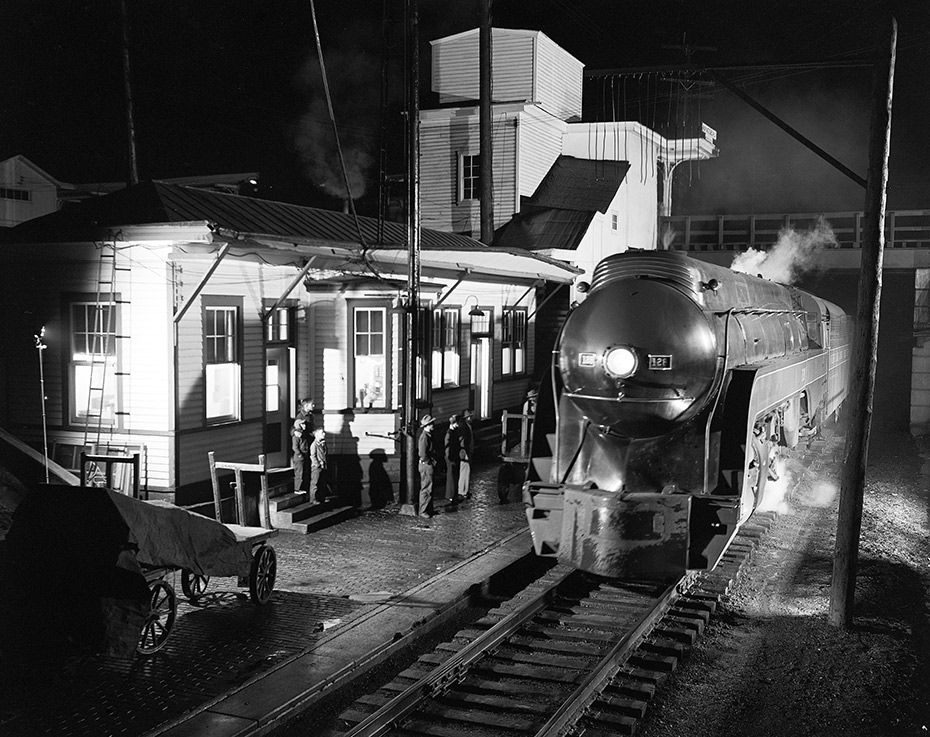
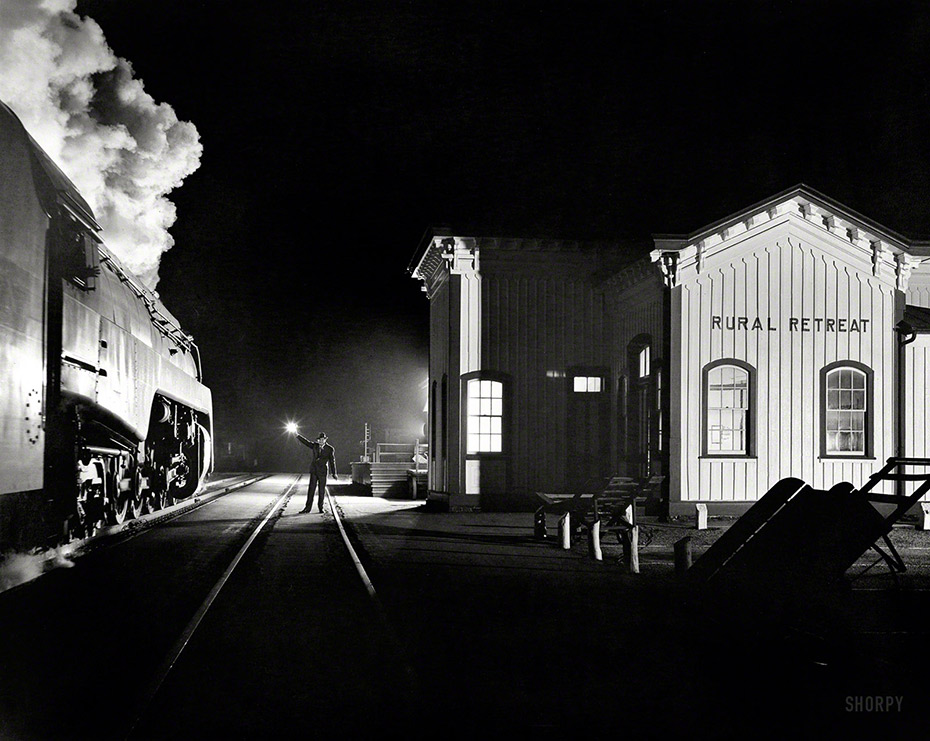
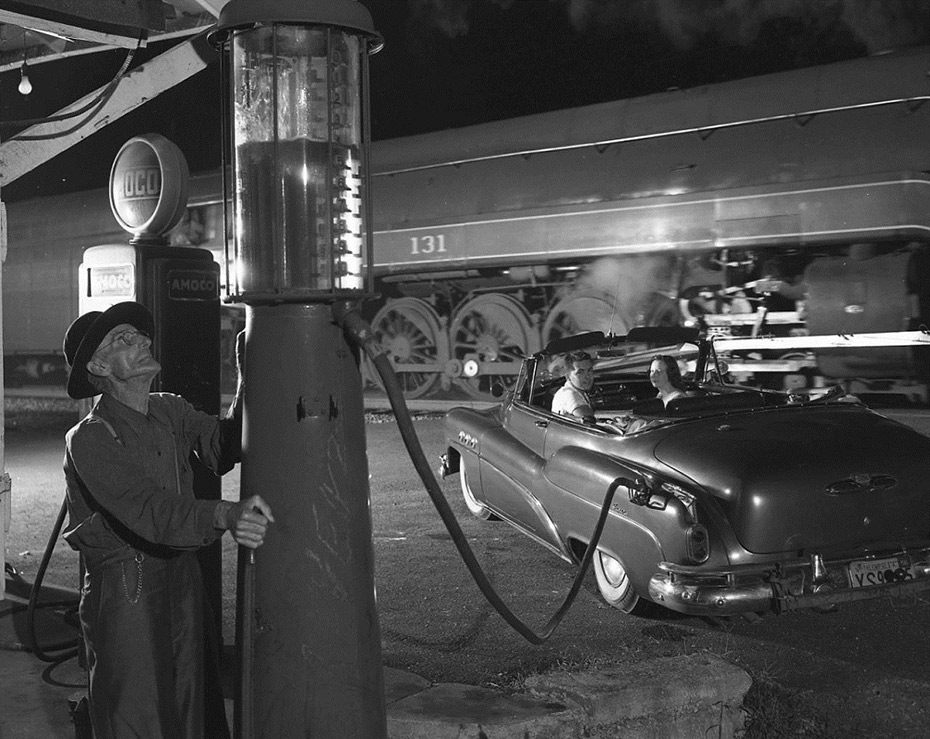
Winston Link (American, December 16, 1914–January 30, 2001) was a commercial photographer that helped establish rail photography as a hobby and push the limits of night photography. Today we celebrate him and his amazing work.
Link’s introduction to photography came at a young age from his father. He soon grew to love the art, and went on to work as a photo editor for his college newspaper at the Polytechnic Institute of Brooklyn, where he received his civil engineering degree.
After graduation in 1937, Link began to work at Carl Byoir’s public relations firm as a commercial photographer. He learned the advanced skills of a professional photographer while working at the firm over the following five years. During this period, he produced the photo Girl on Ice, which was featured in Life magazine as an example of the classic publicity photo. Link left Byoir to work at the Airborne Instruments Laboratory in 1942, taking photos of devices made for low-flying airplanes meant to detect submarines for World War II. This work lasted until the war’s end in 1945, at which time Link opened his own studio in New York in 1946. Just as with the work at Byoir, Link’s studio focused on public relations photos.
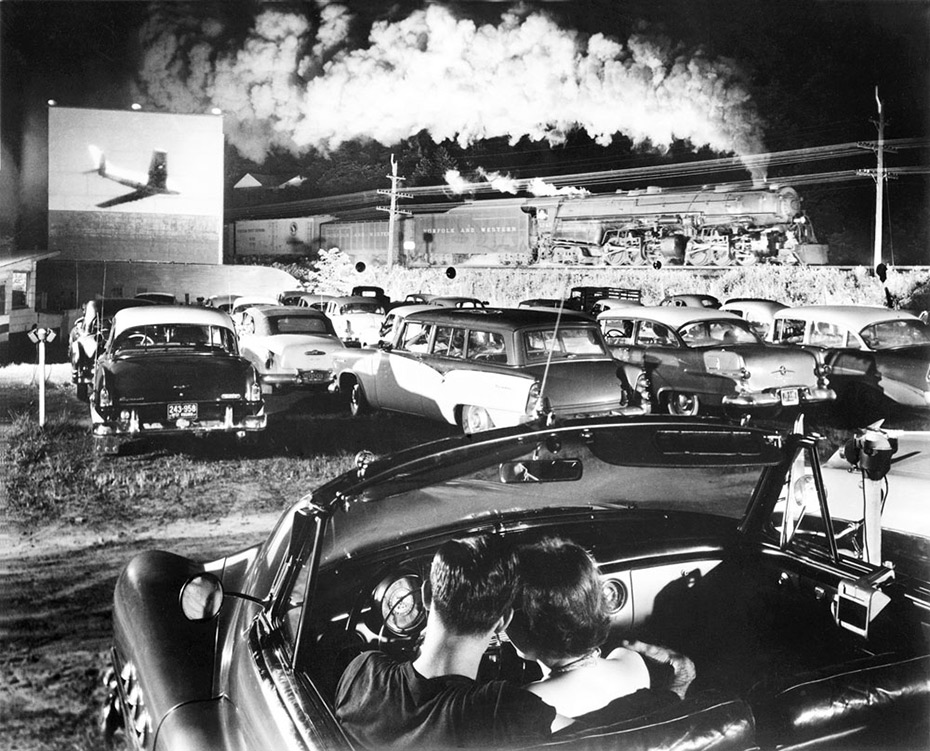
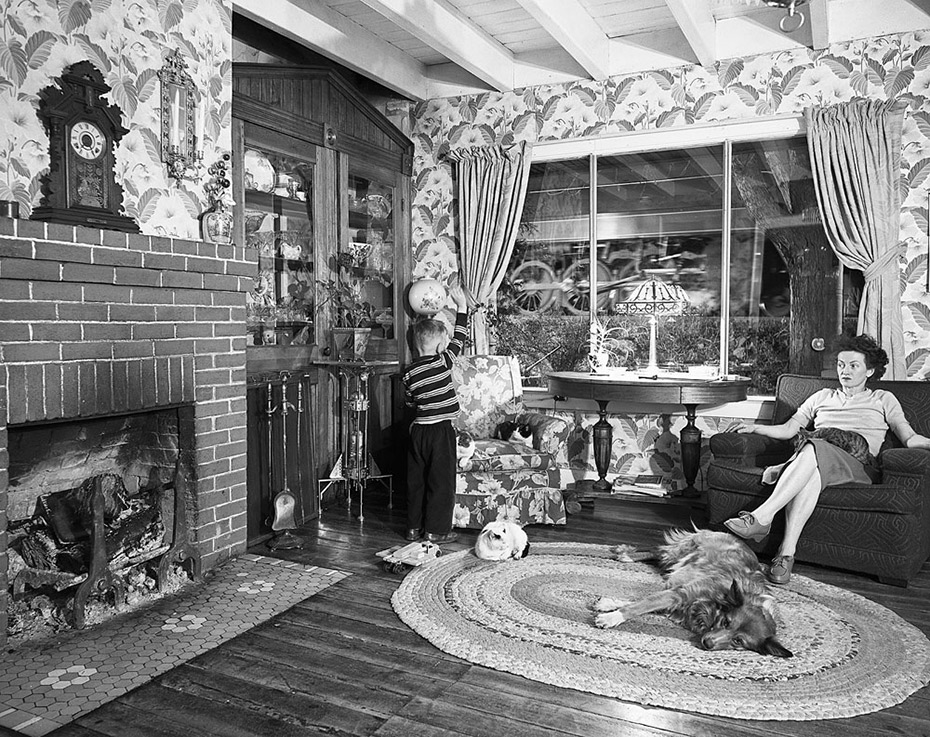
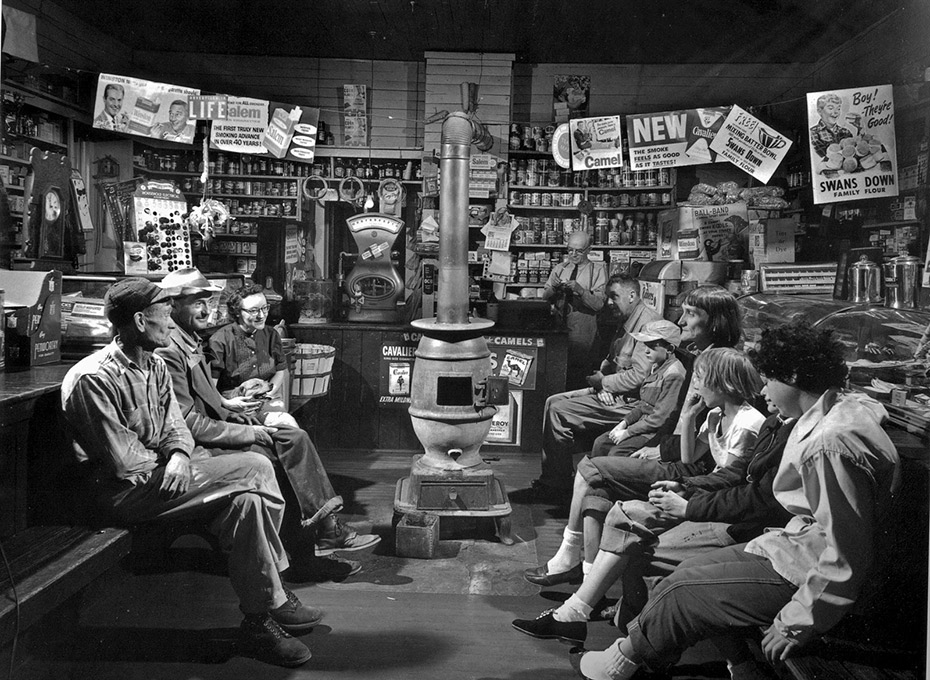
The focus of Link’s photography changed in 1955 due to his love of railroads. During a photography job, Link began to take photos of the Norfolk and Western Railway line. The N&W was one of the last railroads to switch from steam to diesel engines, leaving the company with some of the most advanced steam locomotives in the world. The railroad announced the transition to diesel in 1955, and Link’s photographs of some of the last steam engines served as a documentary of the passing of the steam locomotive era. By the completion of the transition in 1960, Link had taken about 2400 negatives over the course of 20 visits to the Virginia location of the railroad. Many of these images were taken at night as a way to control the lighting. This control was often achieved by large flashes, with his famous Hotshot Eastbound, a photo of a train running past a movie theater, requiring 42 #2 flashbulbs and a #0 flash. The night shots were taken in black-and-white, and the color shots taken at the N&W Abingdon branch. Link’s photos have been exhibited in such places as the Museum of Modern Art in New York and at the O. Winston Link Museum in Roanoke. The museum also handles Link’s work for his estate.
Source: http://www.artnet.com/artists/o-winston-link/

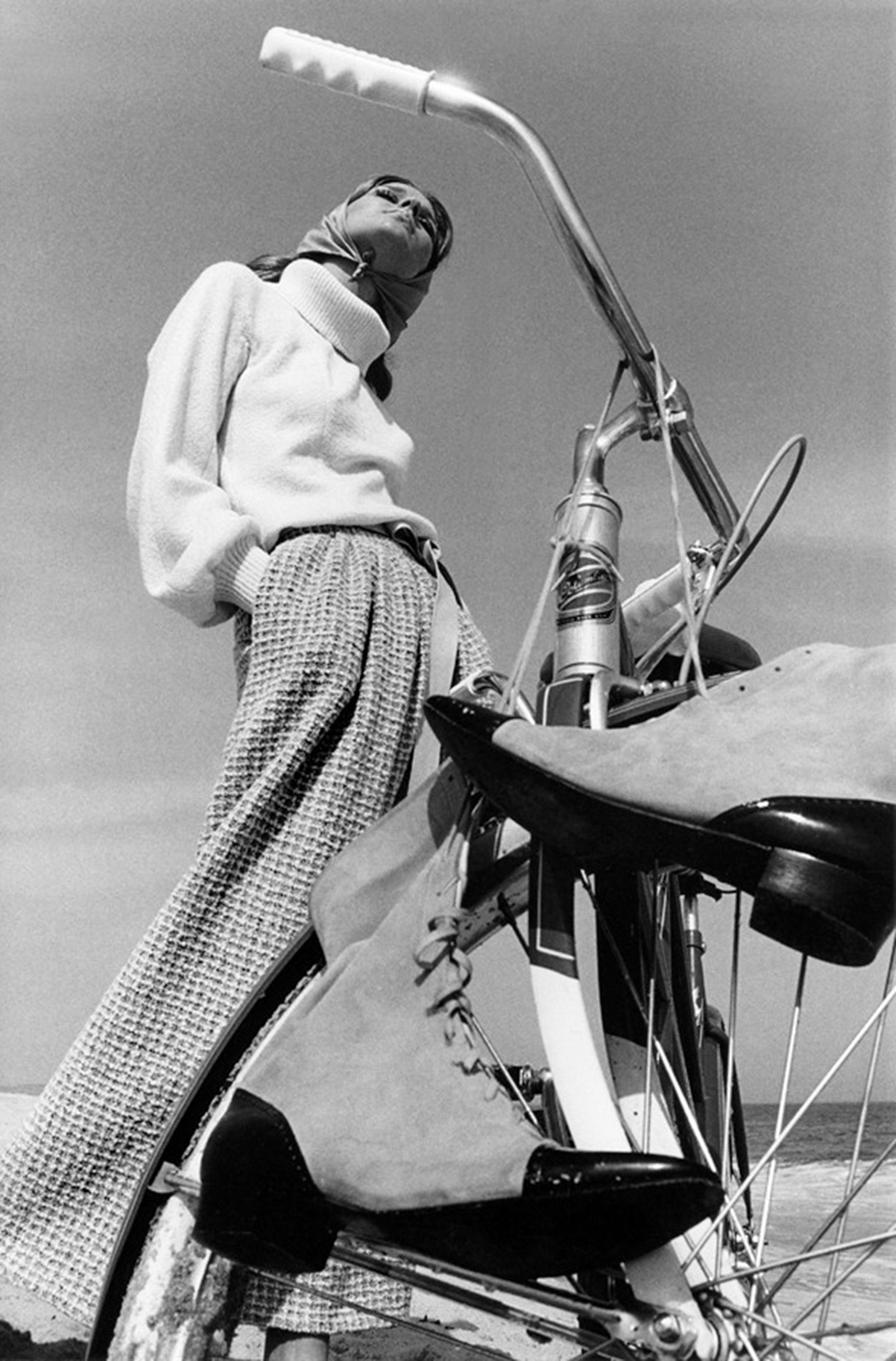
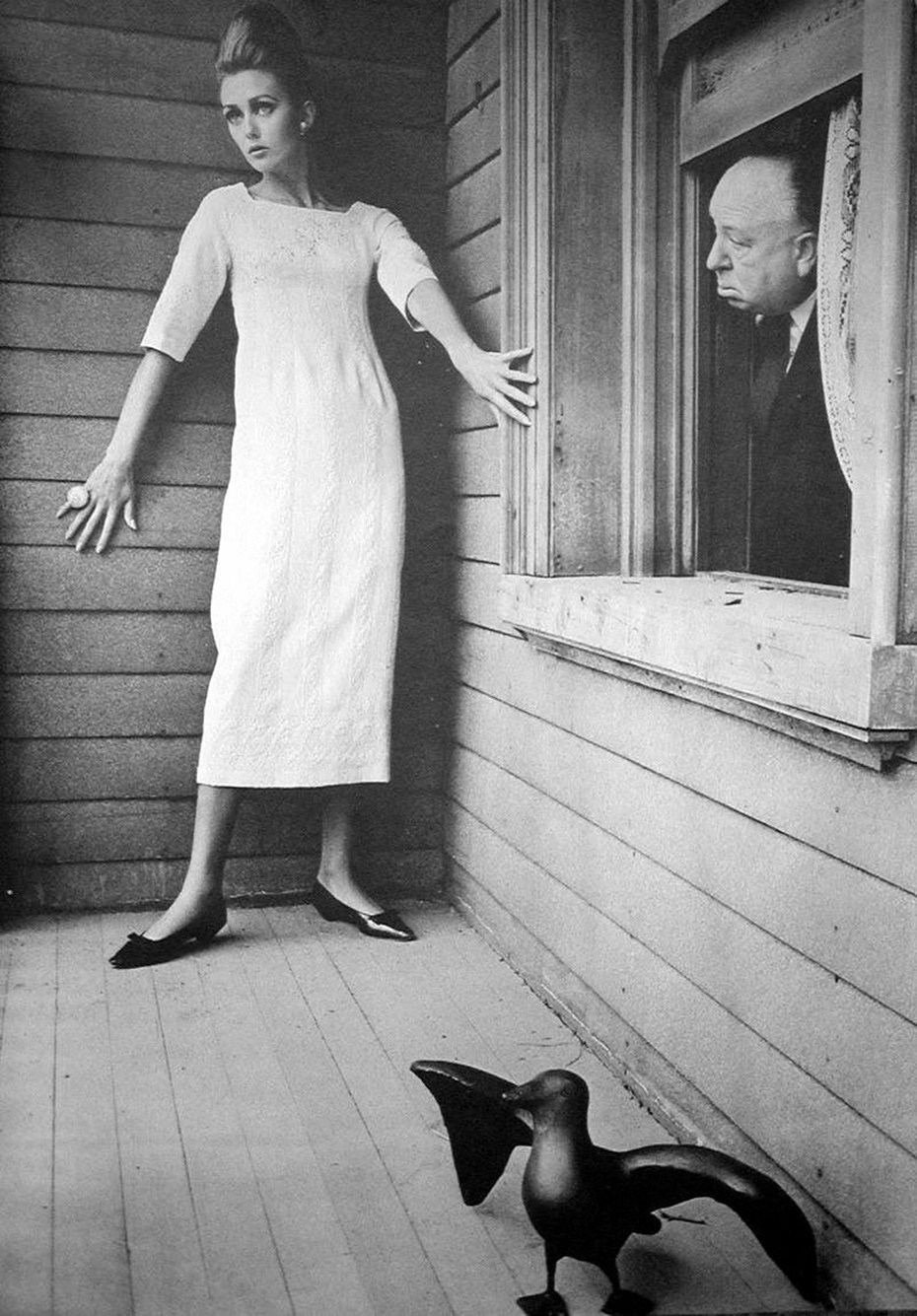
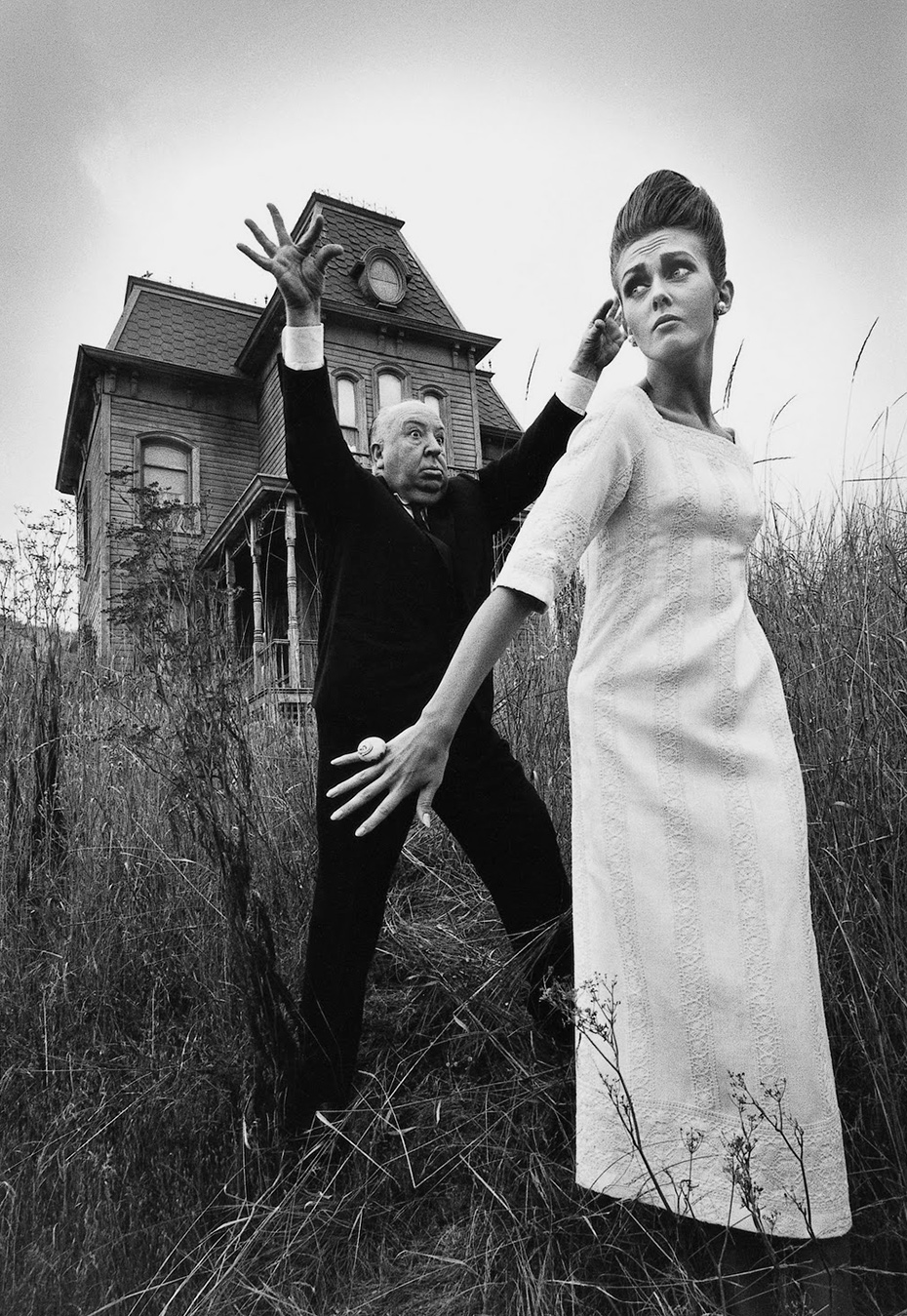
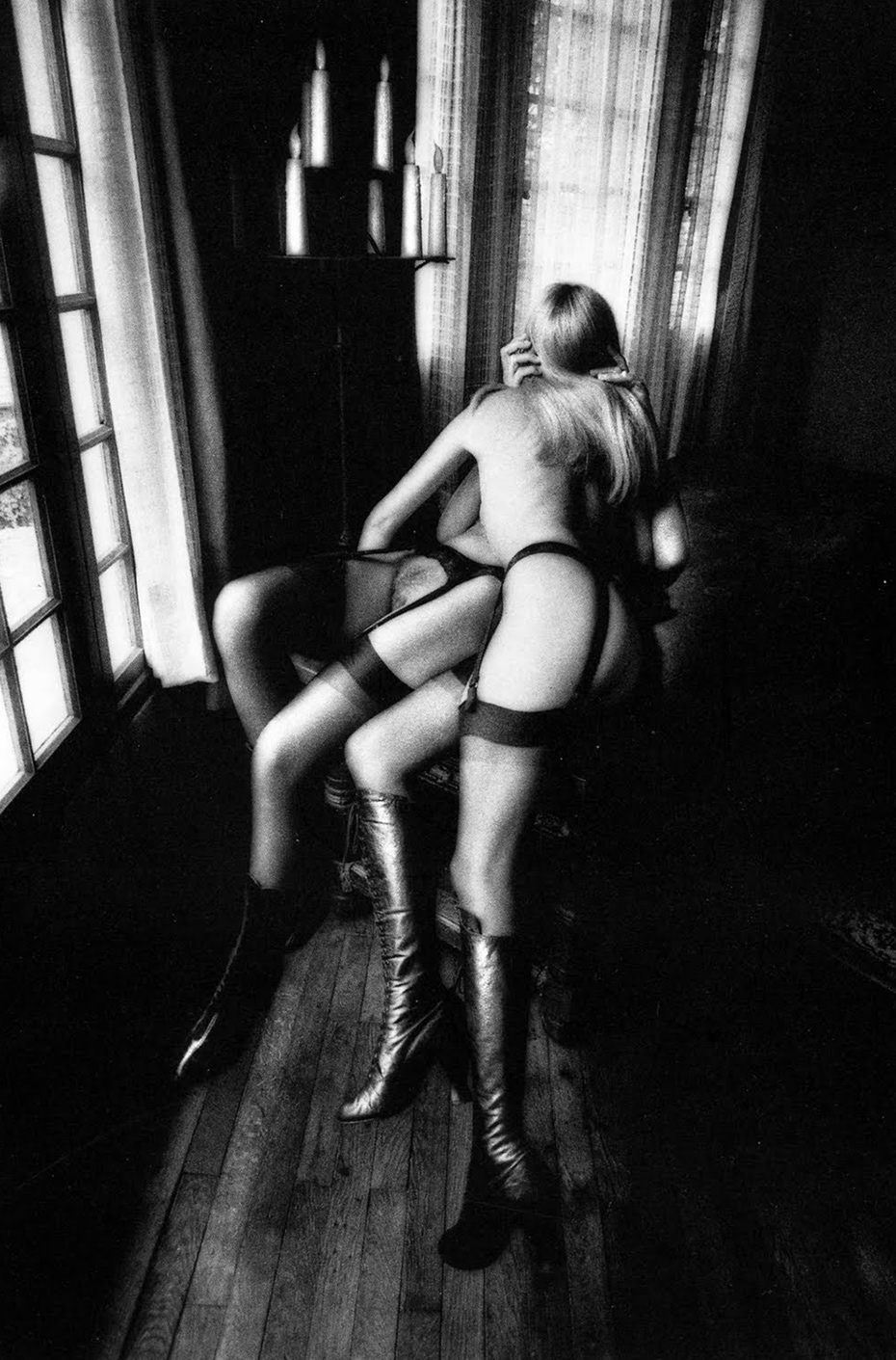
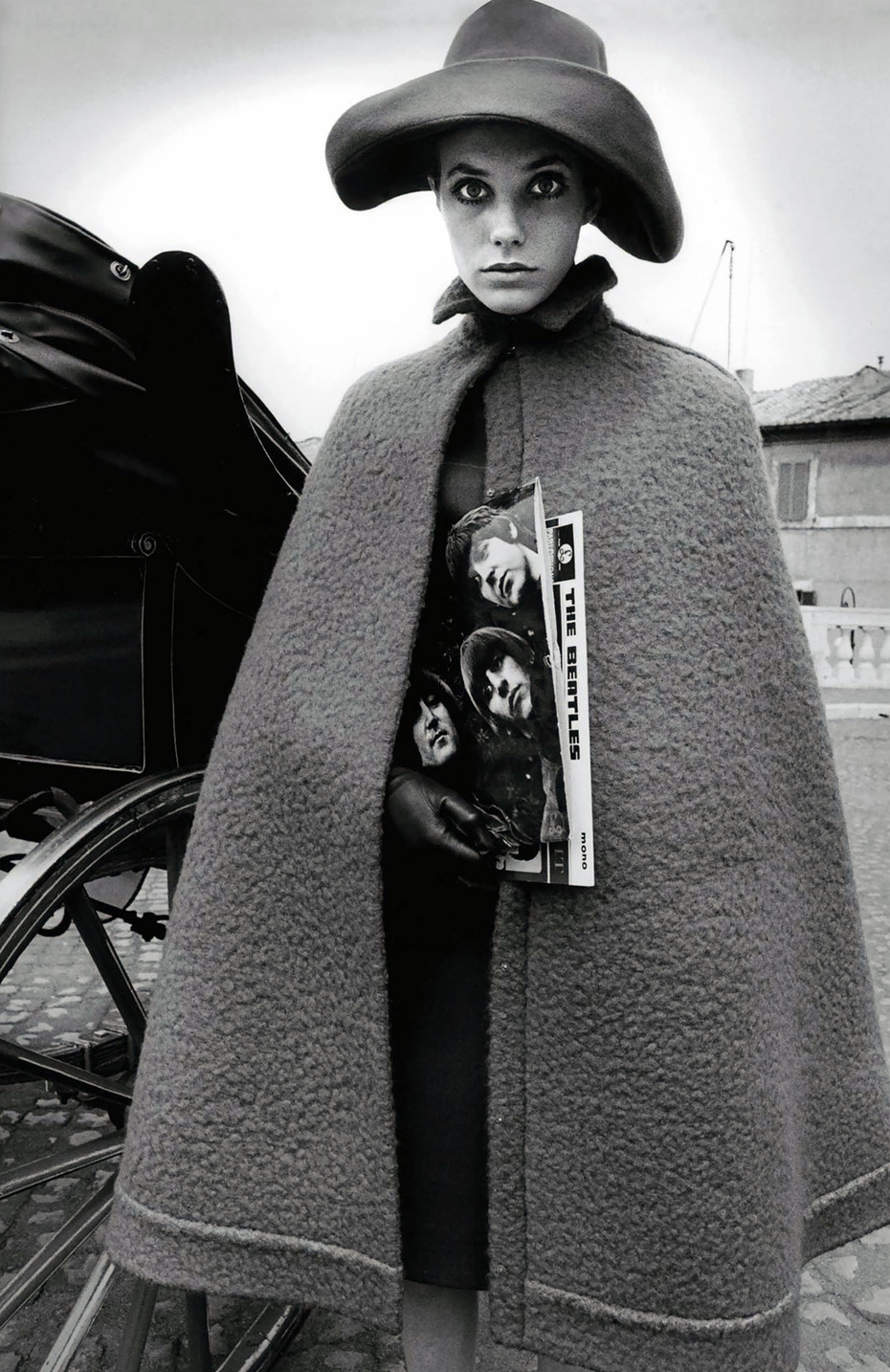
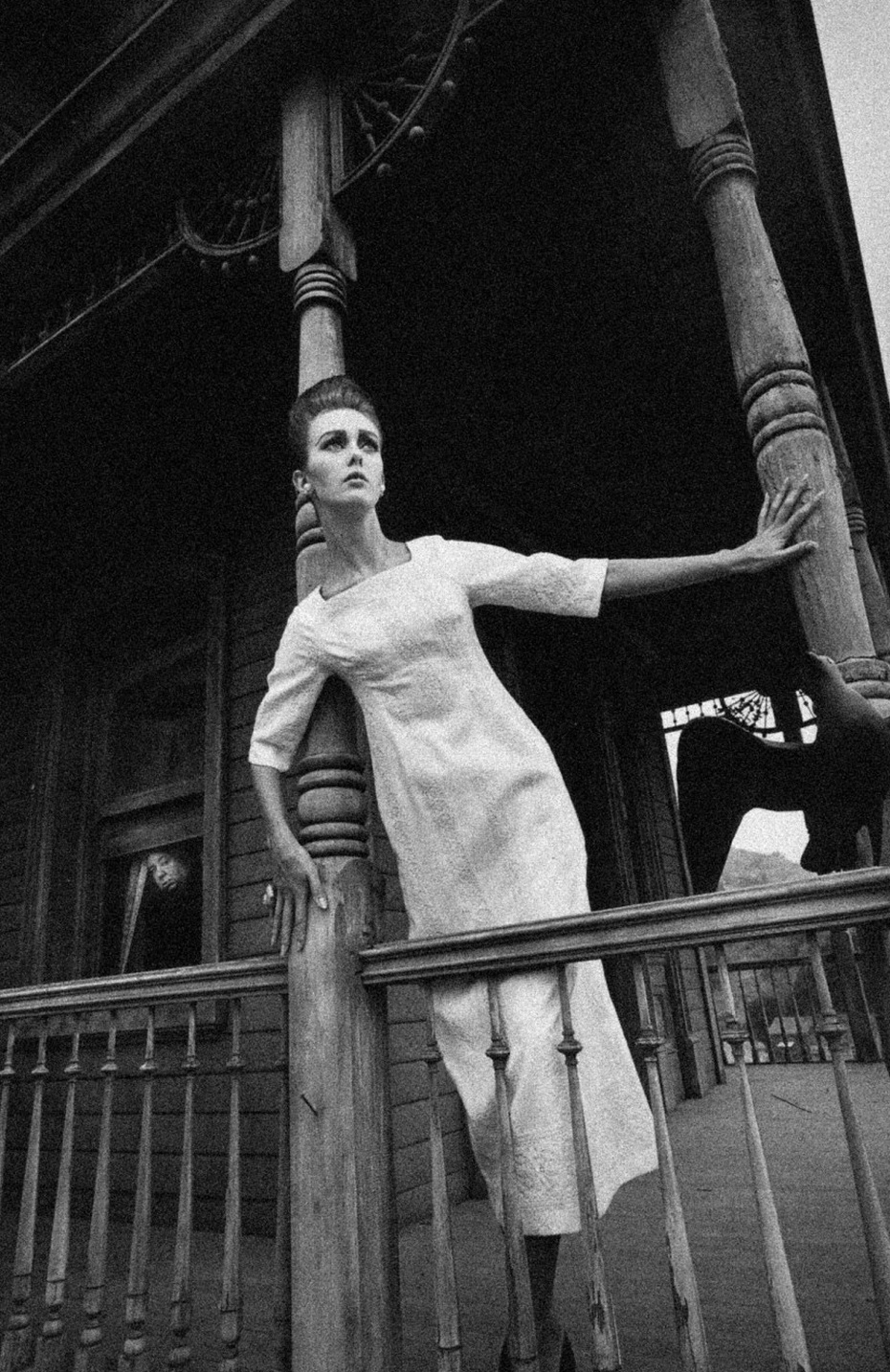
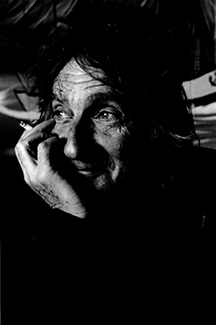 Born in Paris to Polish parents Jeanloup Sieff (1933 – 2000) began shooting fashion photography in 1956 and joined the Magnum Agency in 1958, which enabled him to travel extensively. Settling in New York for much of the sixties he worked for Esquire, Harper’s Bazaar, Vogue and Elle, photographing celebrities such as Jane Birkin, Yves Saint-Laurent, Rudolf Nureyev and Alfred Hitchcock amongst others. Sieff won numerous prizes including the Prix Niepce, the Chevalier des Arts et Lettres in Paris in 1981 and the Grand Prix National de la Photographie in 1992, and his work is housed in many private and international collections.
Sieff is heralded as one of the great international photographic talents of the last half-century and has left an undeniable imprint on his generation. Prolific in many fields, the variety of his imagery highlights his broad artistry, ranging from fashion, nudes, landscape and portraiture.
With great tenacity, Sieff pursued a personal and highly effective signature style, soaked in playful imagination with a touch of irony. Seldom working in colour he favoured the discipline of black and white, often using to his advantage the spatial distortion of wide-angle lenses, the dramatic potential of shadow and exploitation of tone.
“I have always maintained that there is no such thing as art. There are only artists, producing things that give them pleasure, doing so under some compulsion, perhaps even finding the process painful, but deriving a masochistic joy from it!”, Jeanloup Sieff.
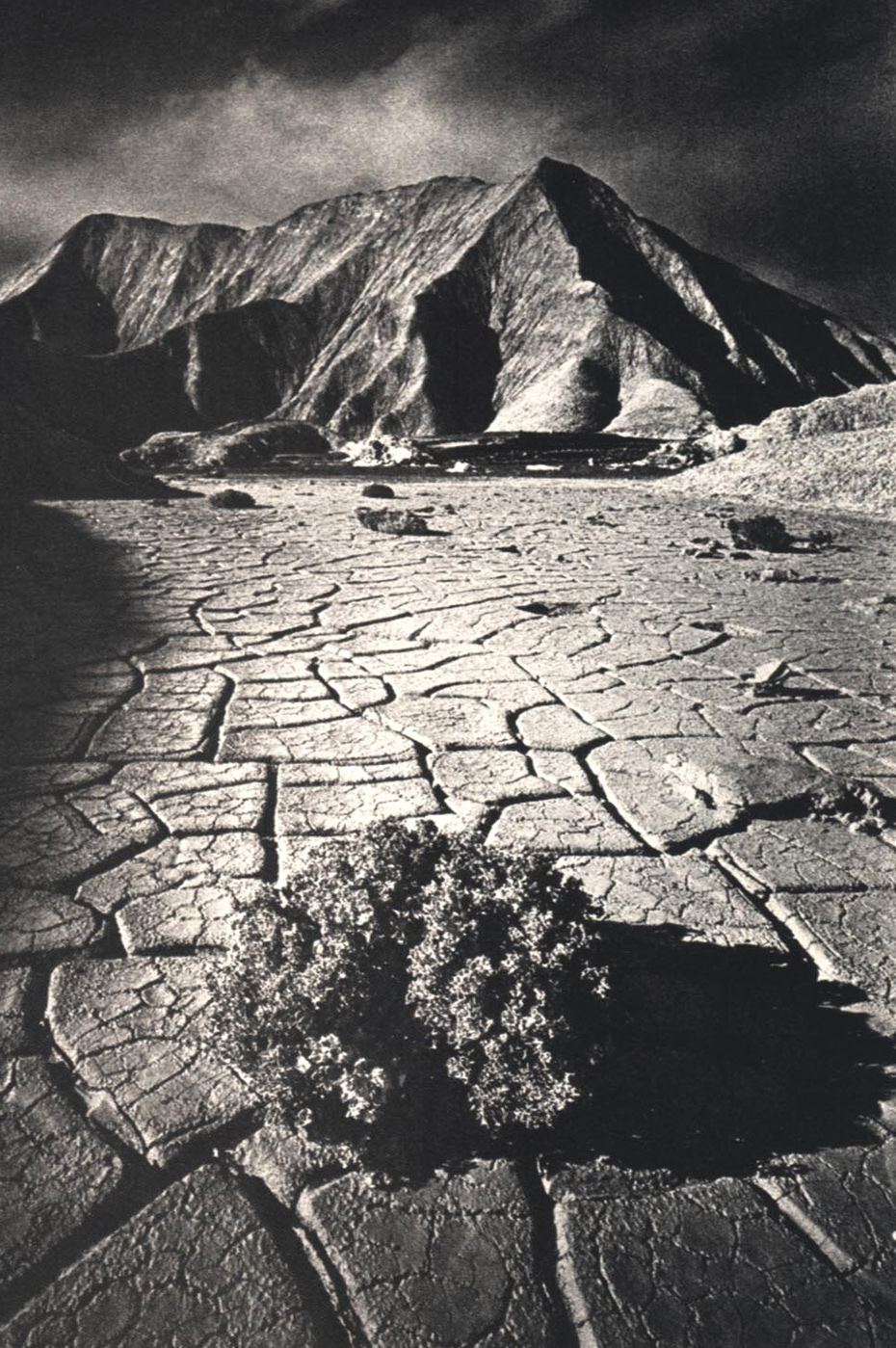
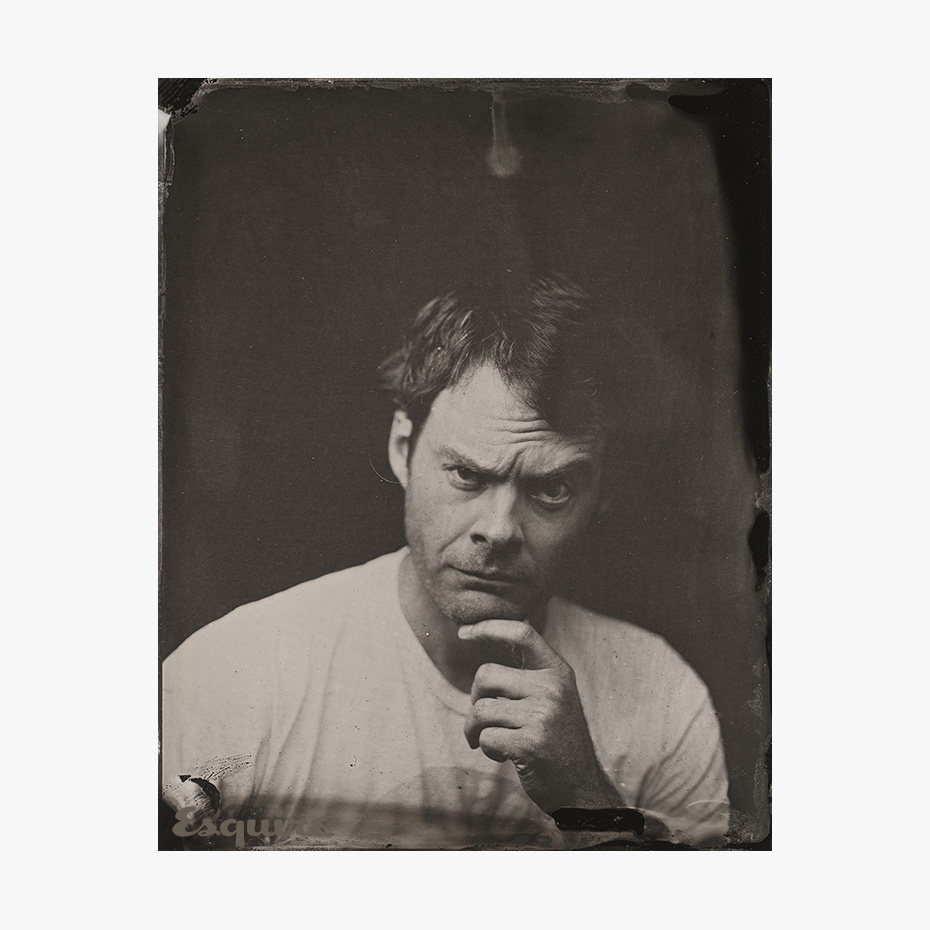
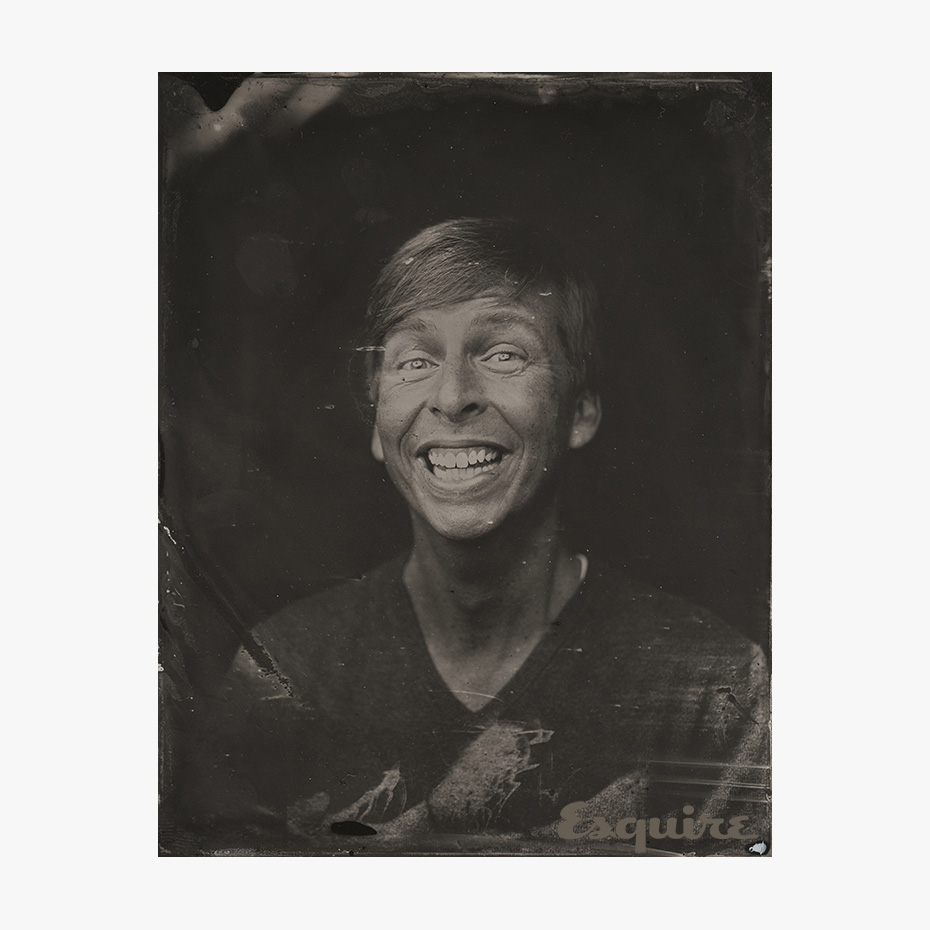
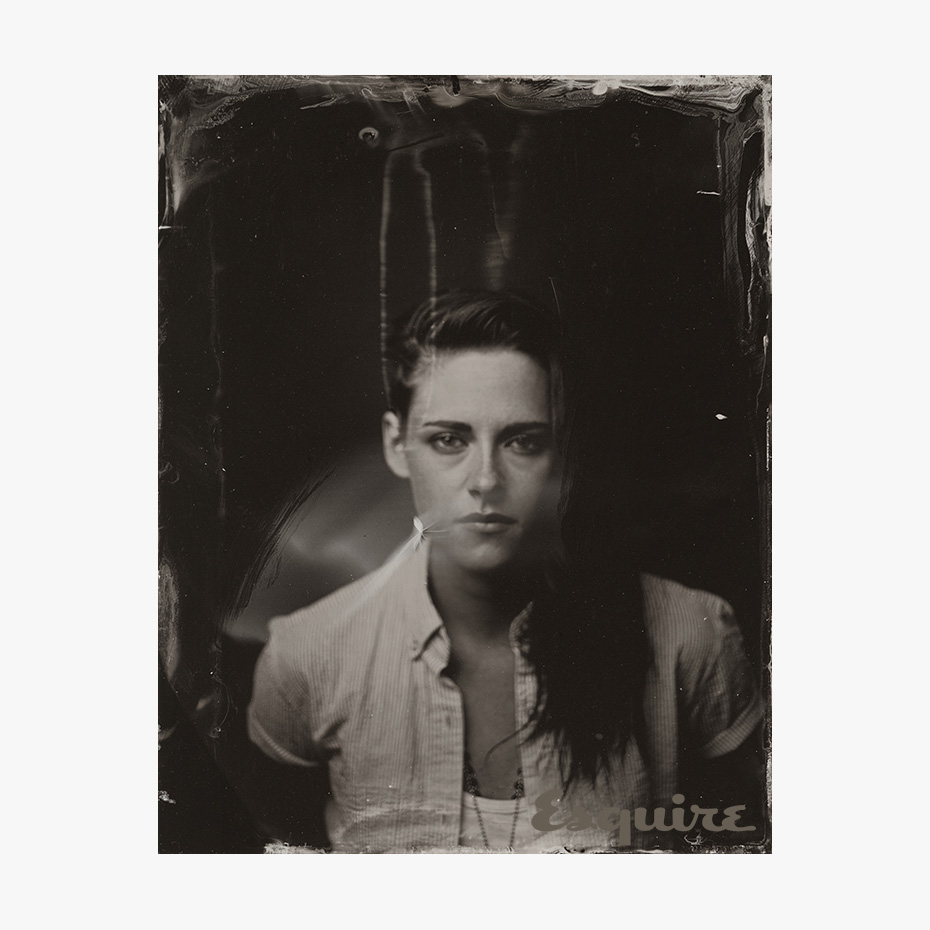
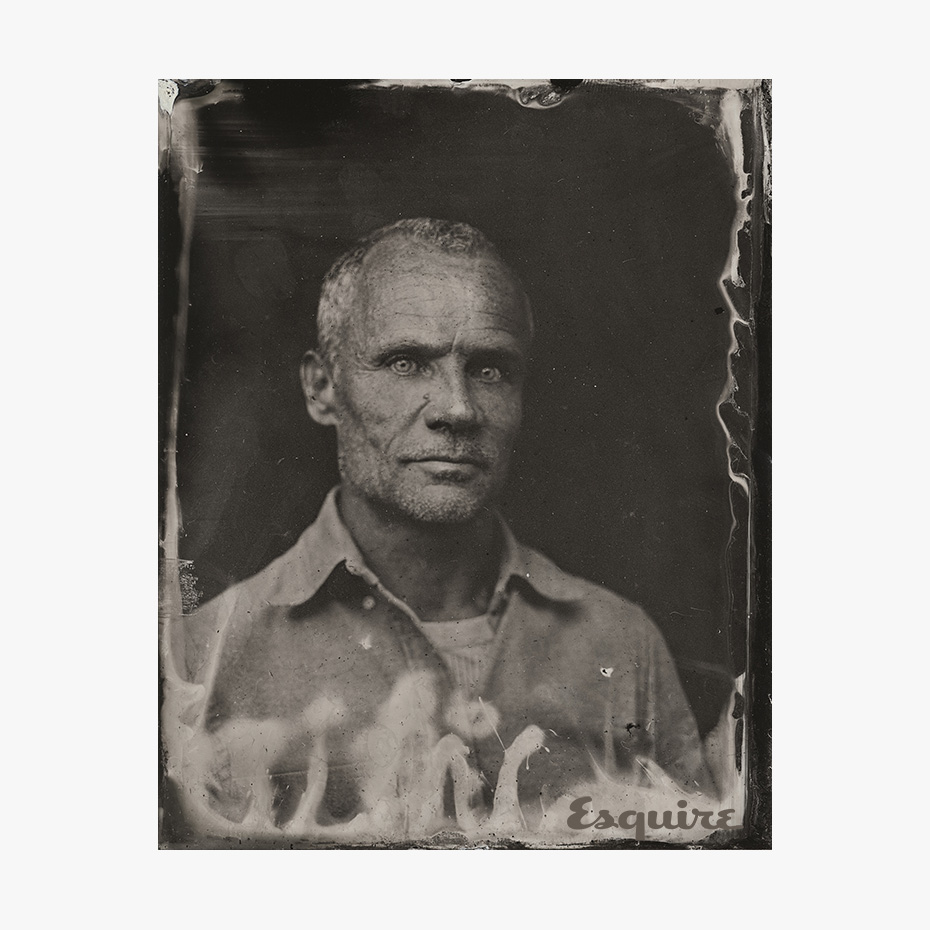
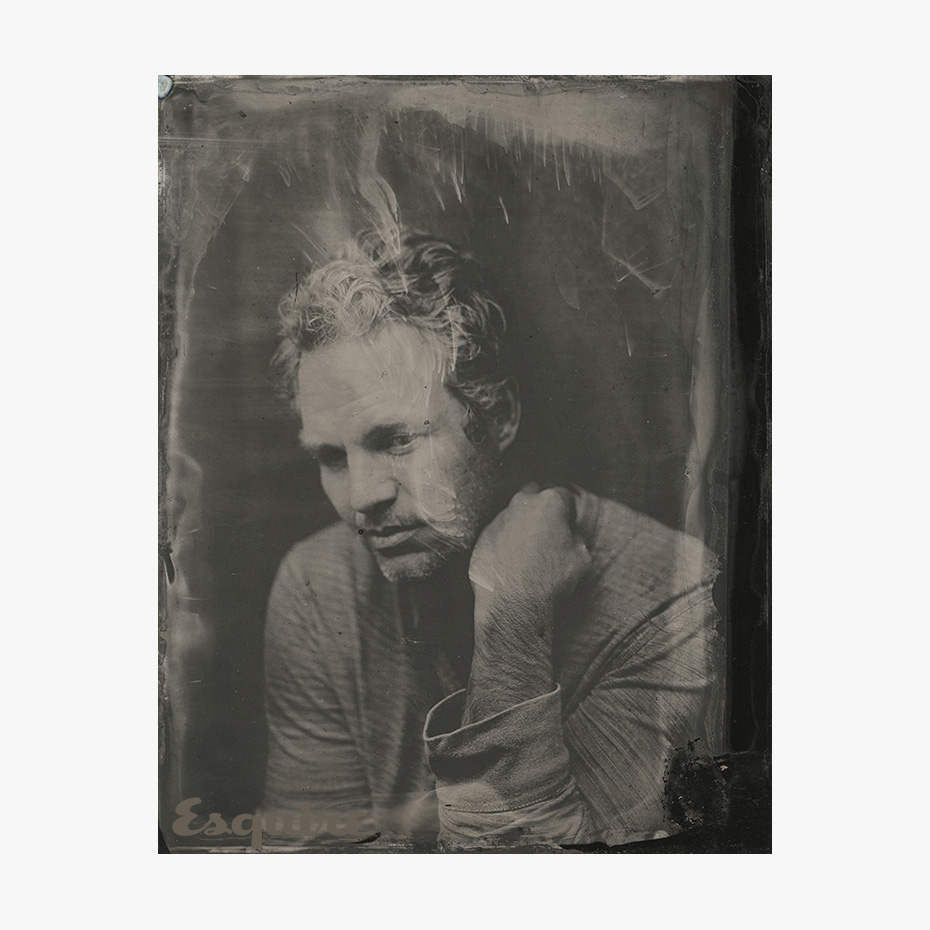
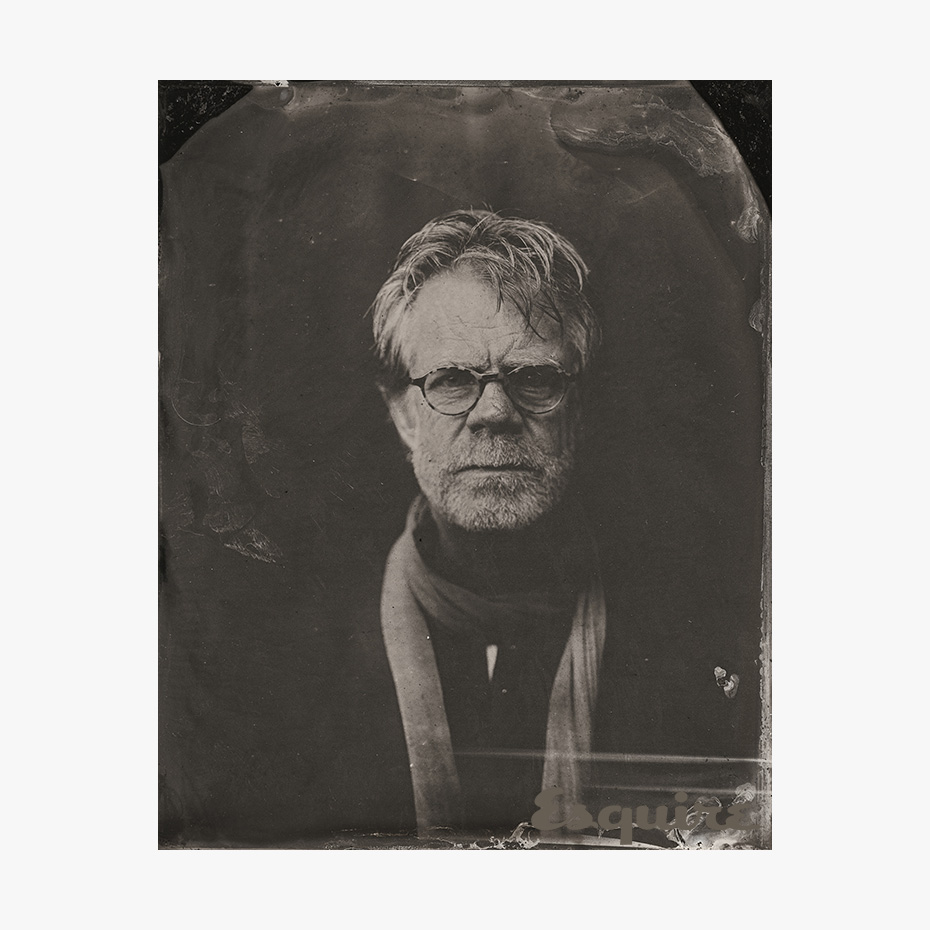
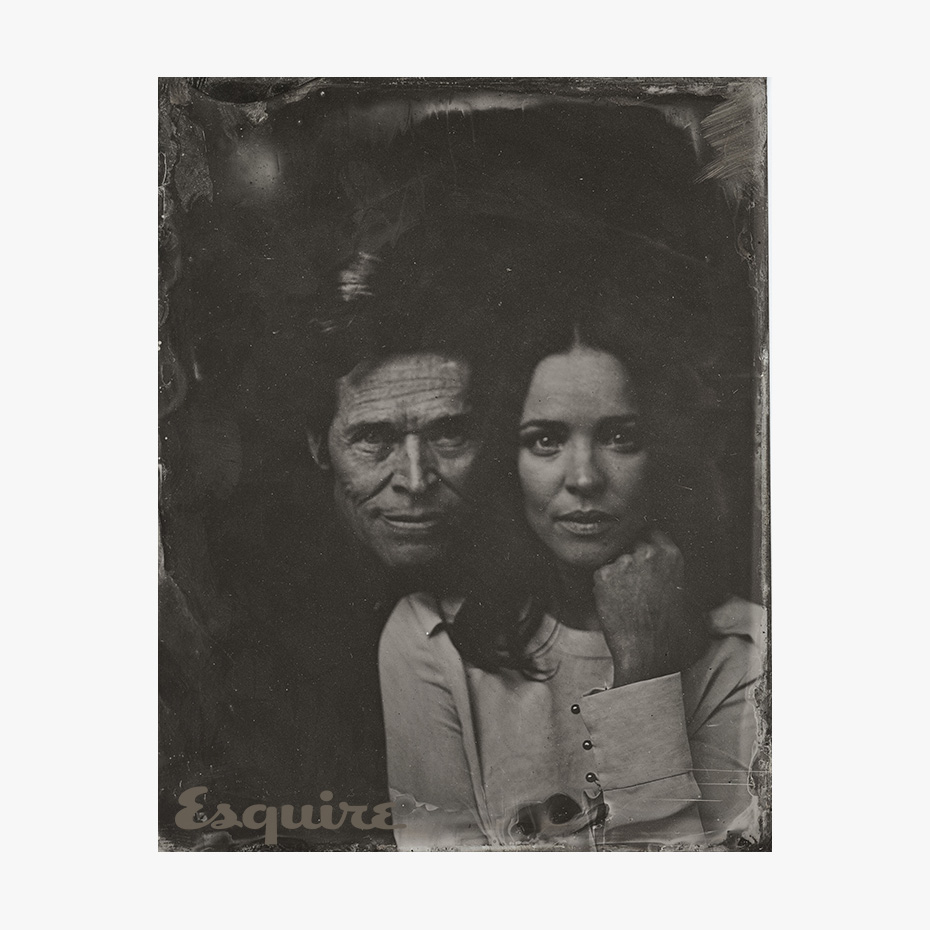
Every year, some extraordinary photographs and moments happen at The Sundance Film Festival. Photographer Victoria Will is no stranger to them, having covered the Festival for the past four years. In the past, Will has created straightforward (and stunning) photographs of celebrities in attendance, but this year, she decided to try something new—and also incredibly challenging.
Check out the complete image set on Esquire. Some of my favs below.

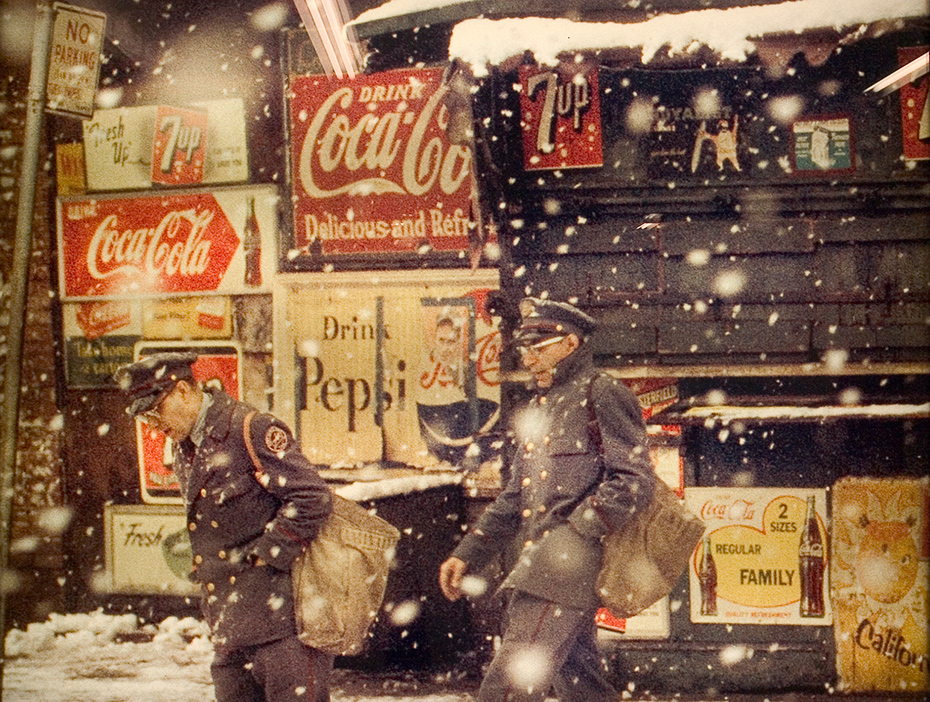
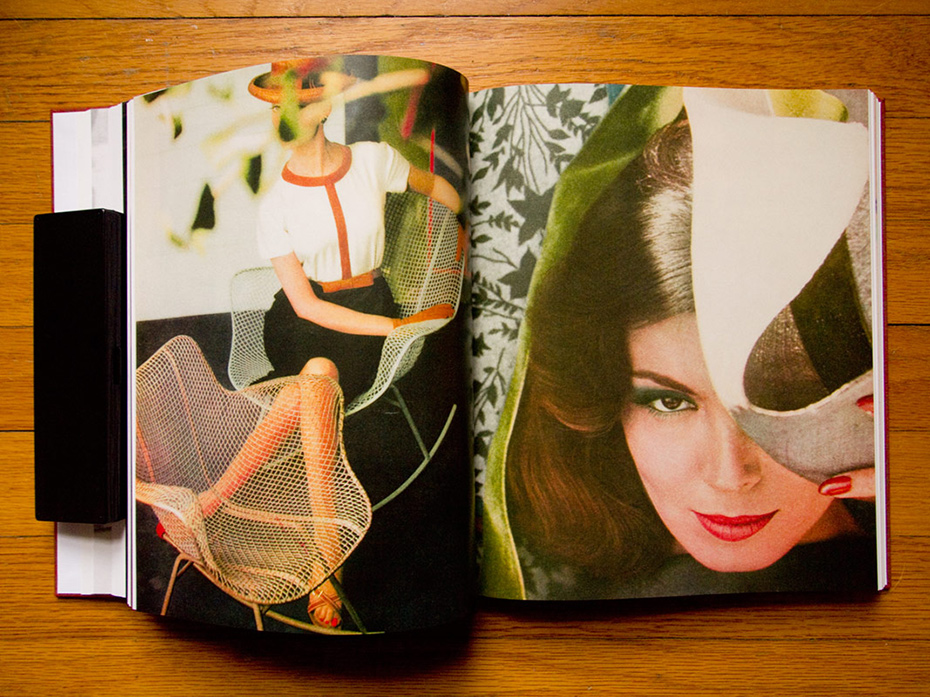
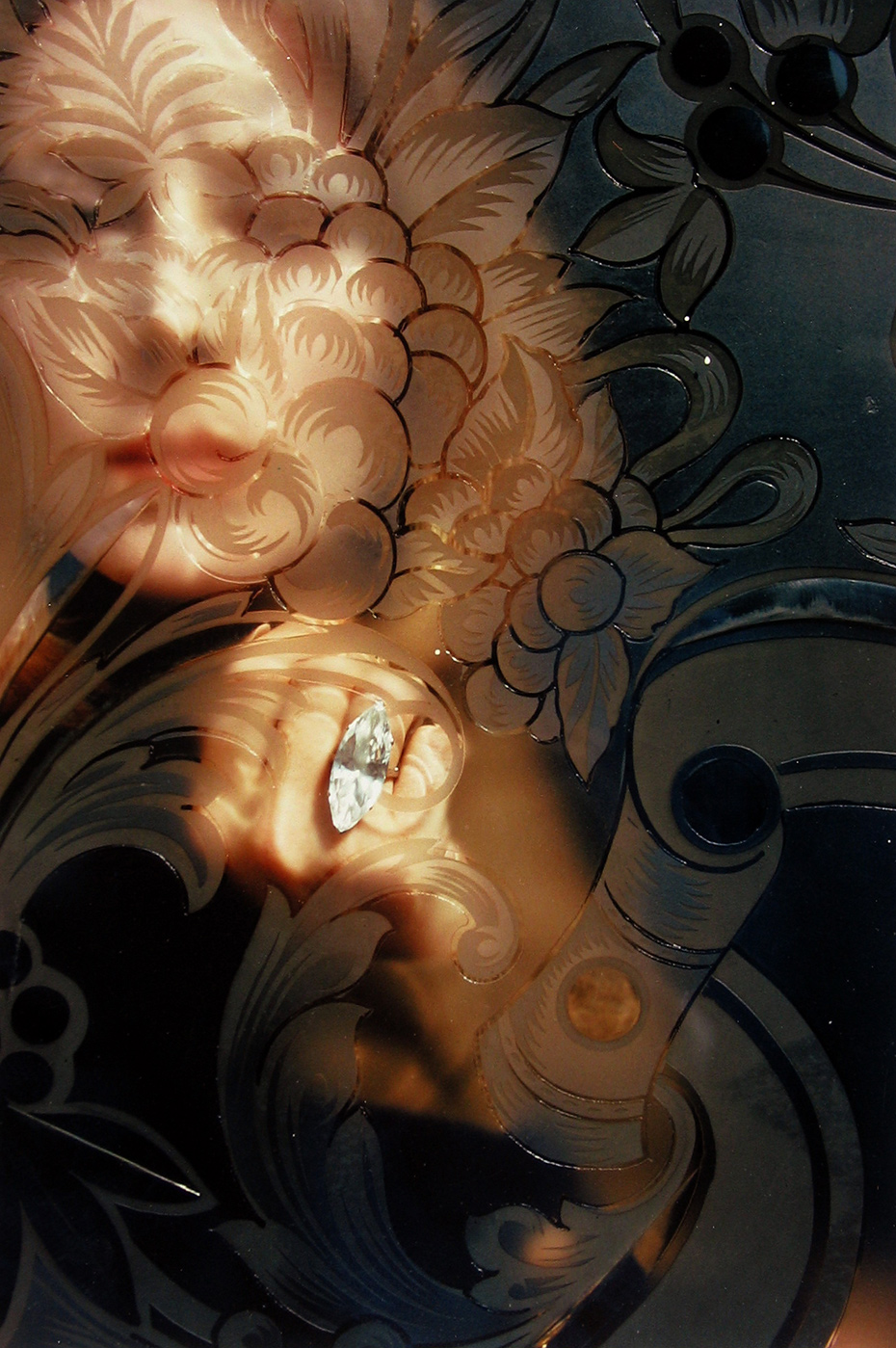
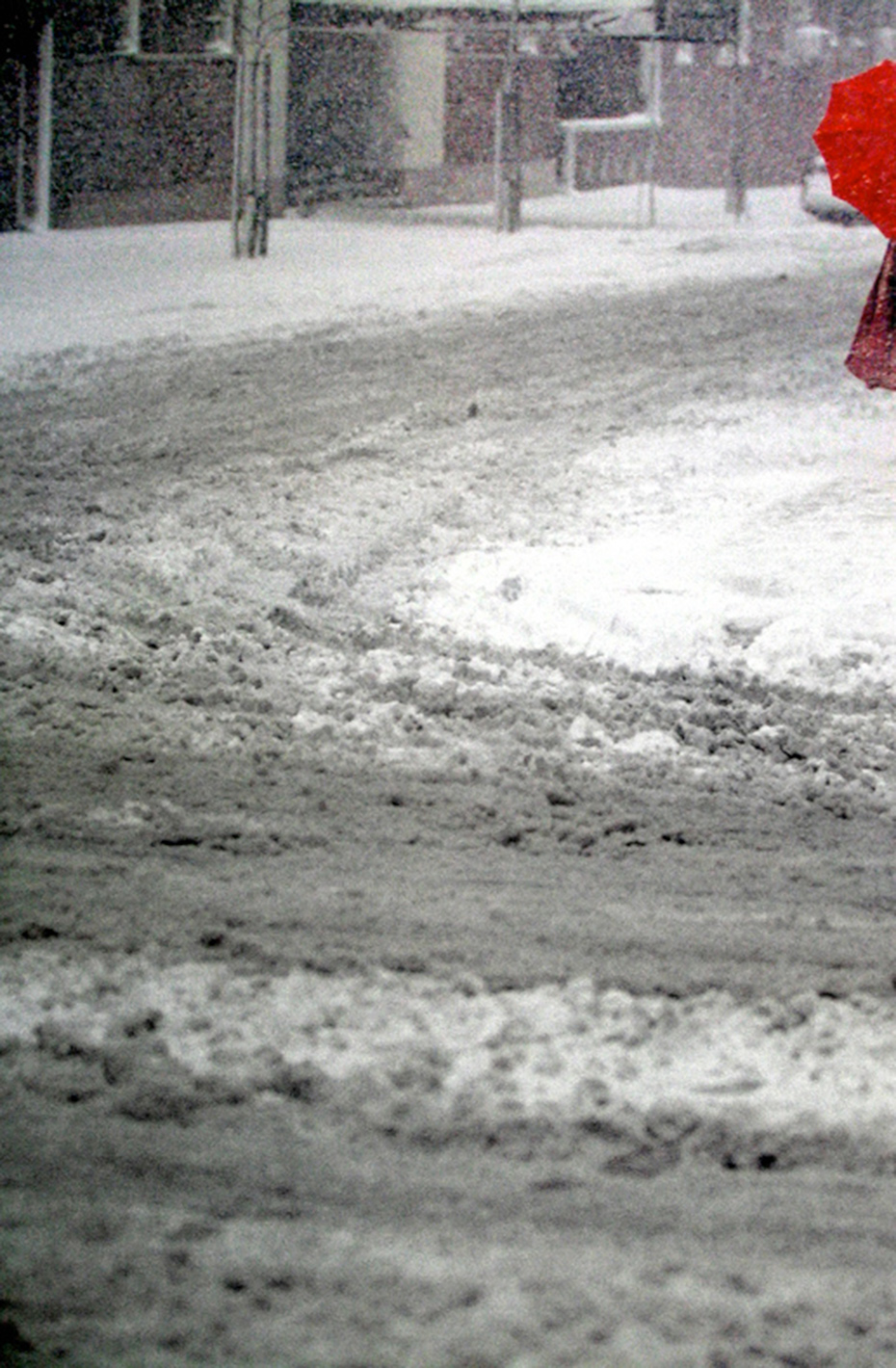
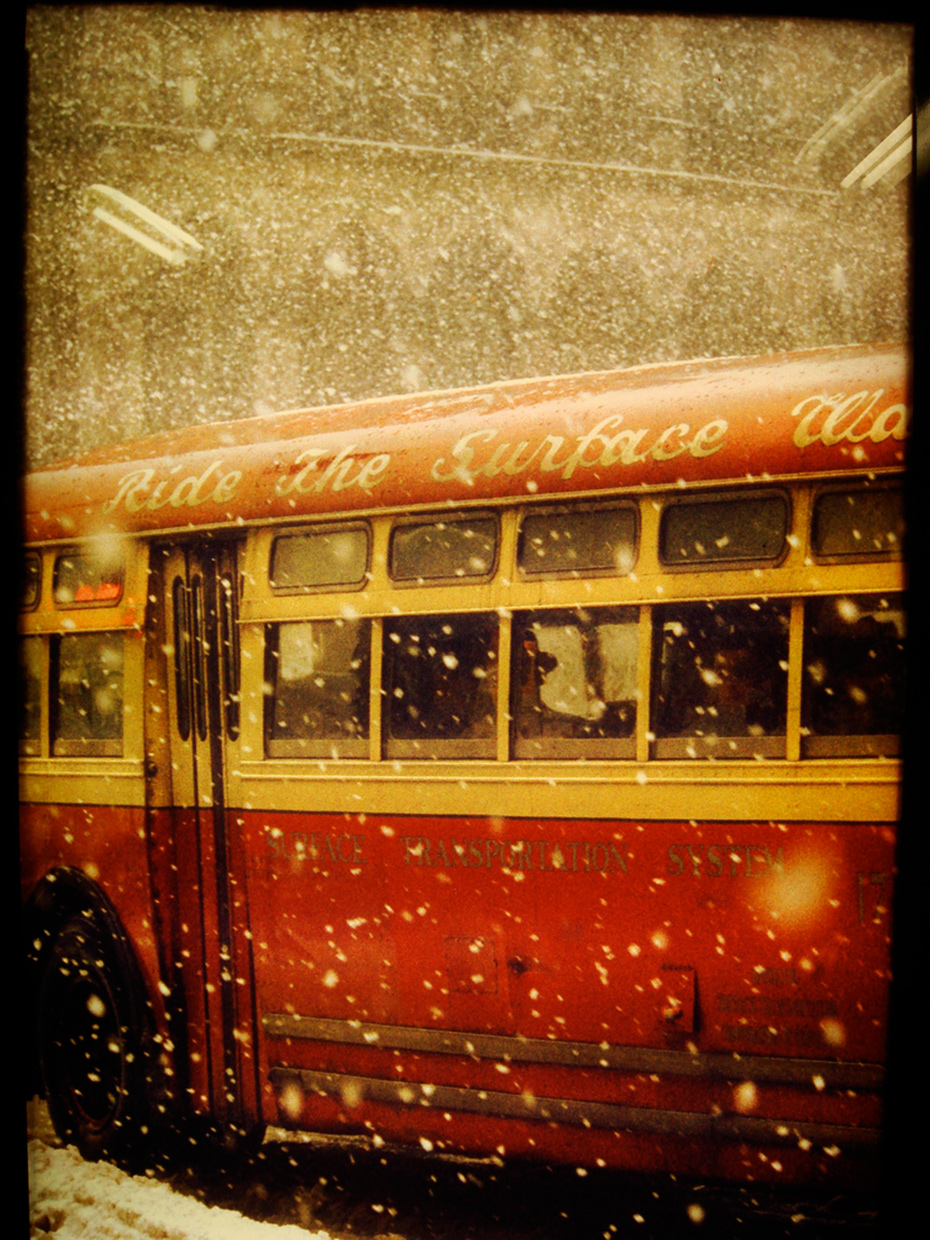
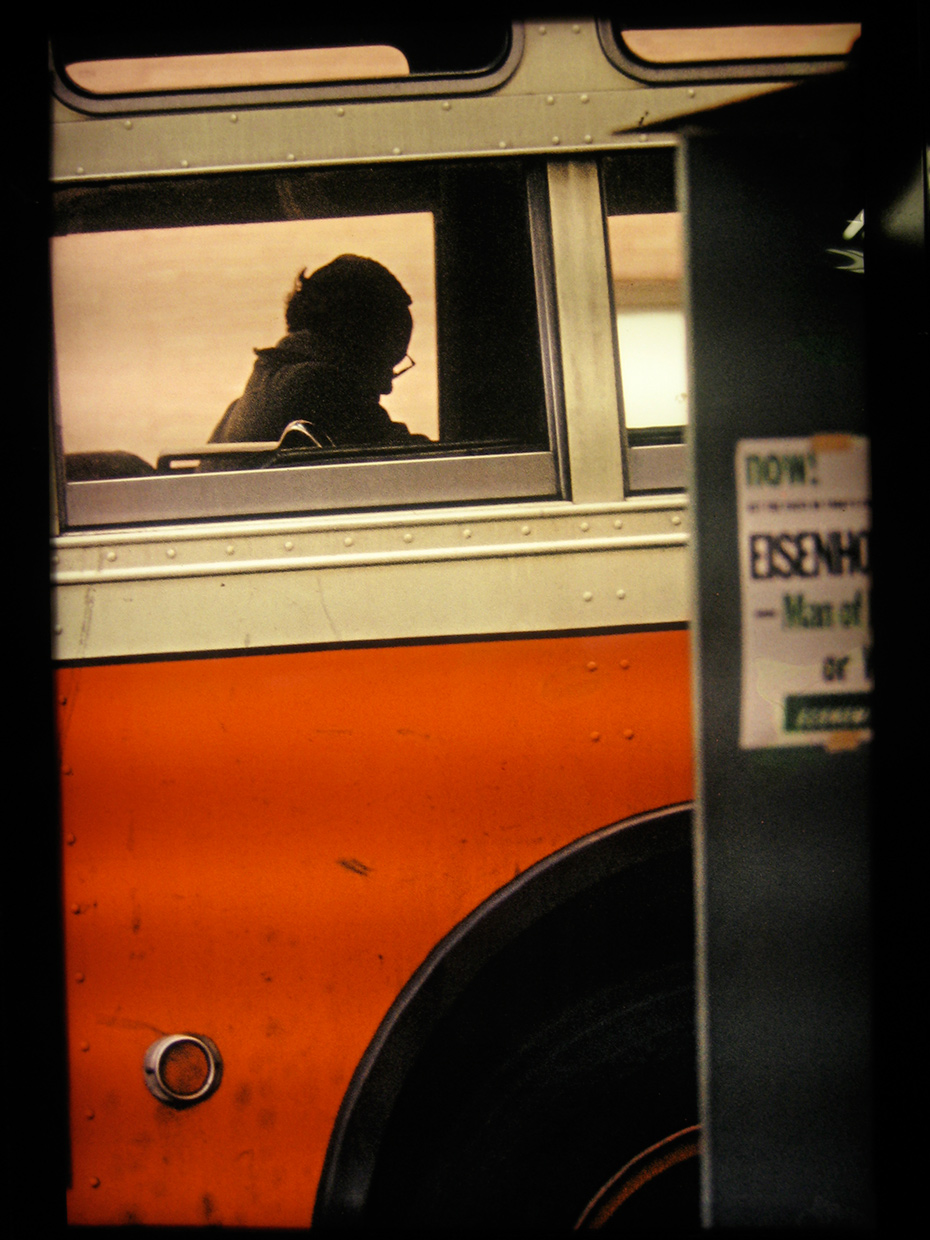
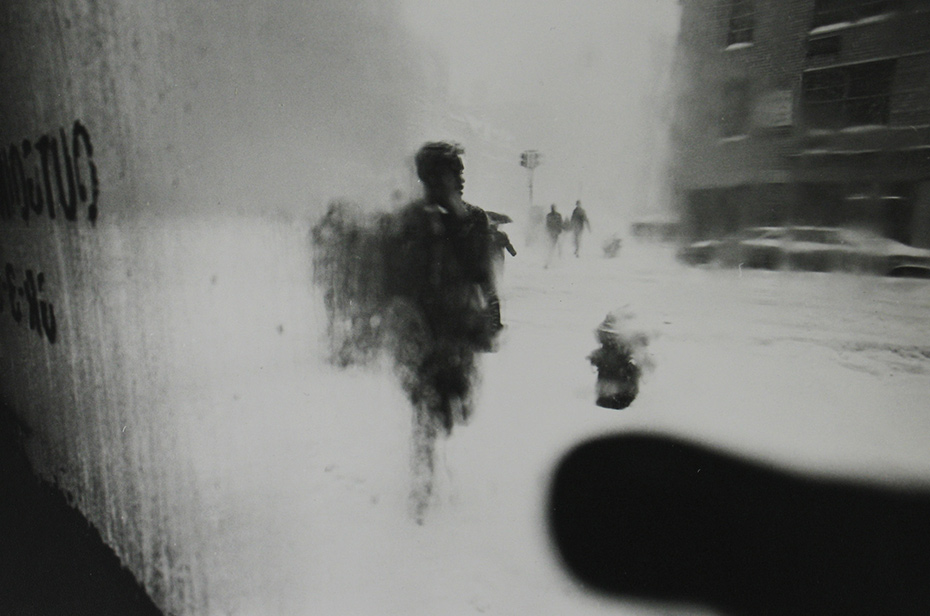
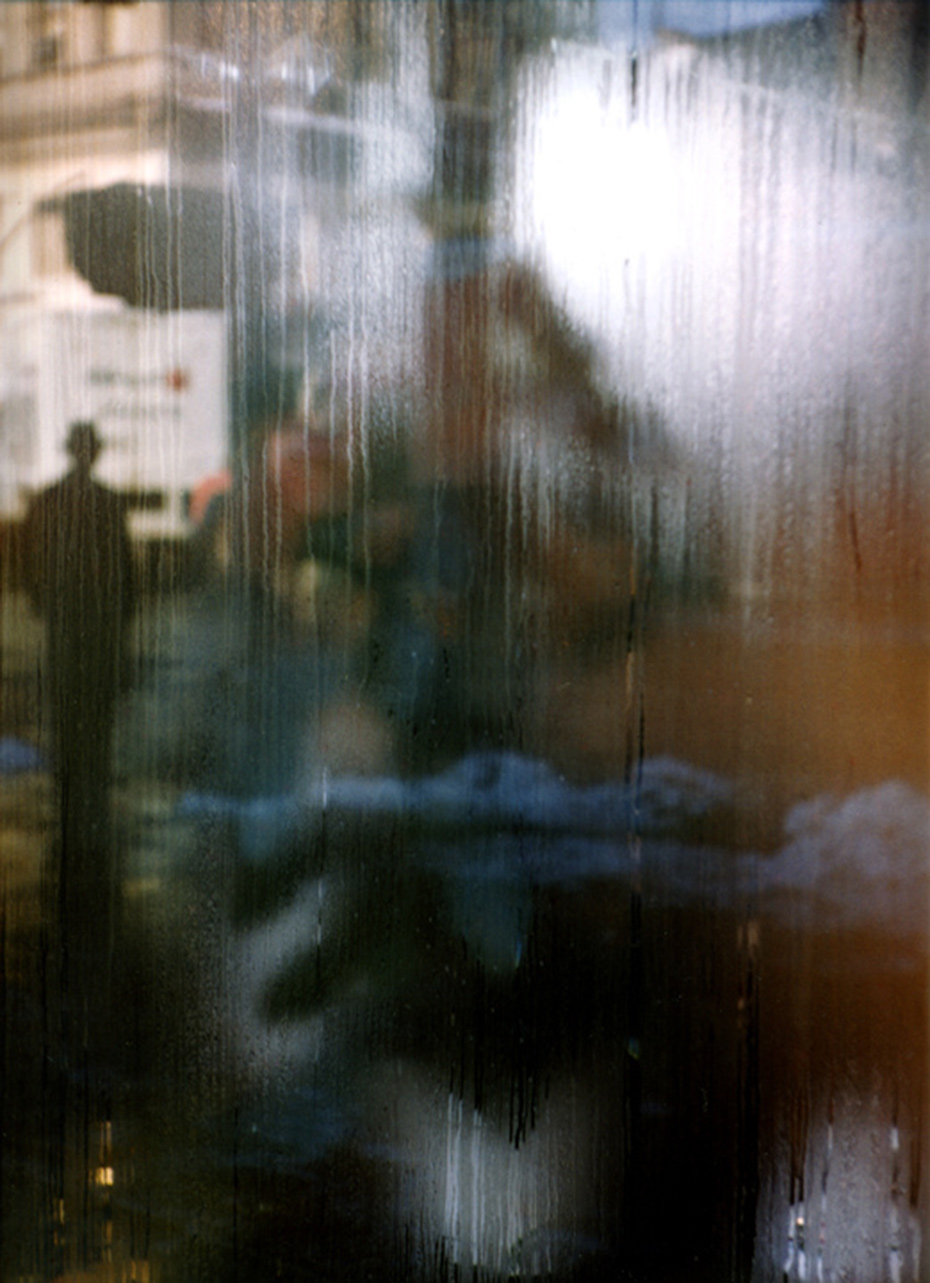
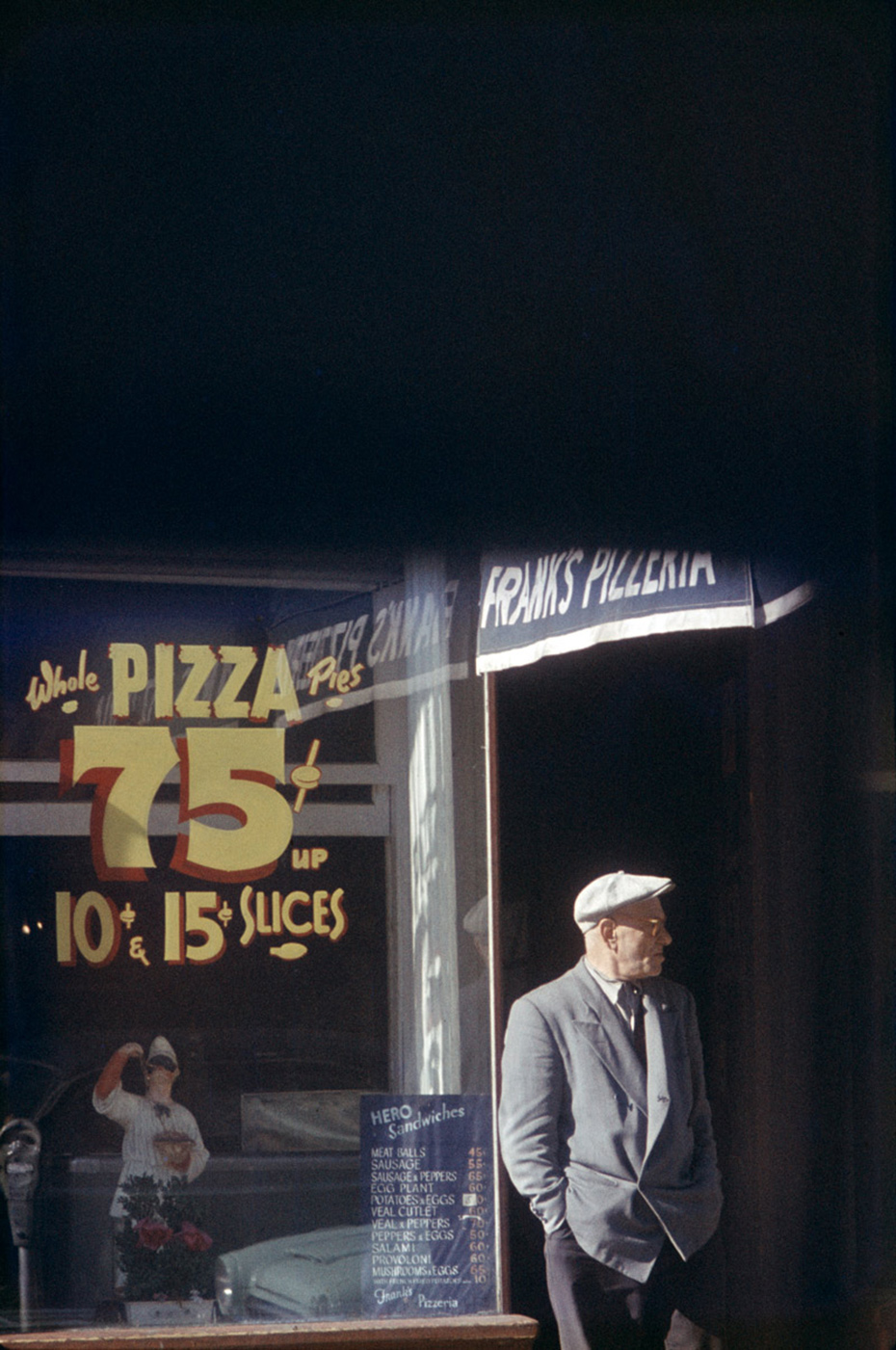
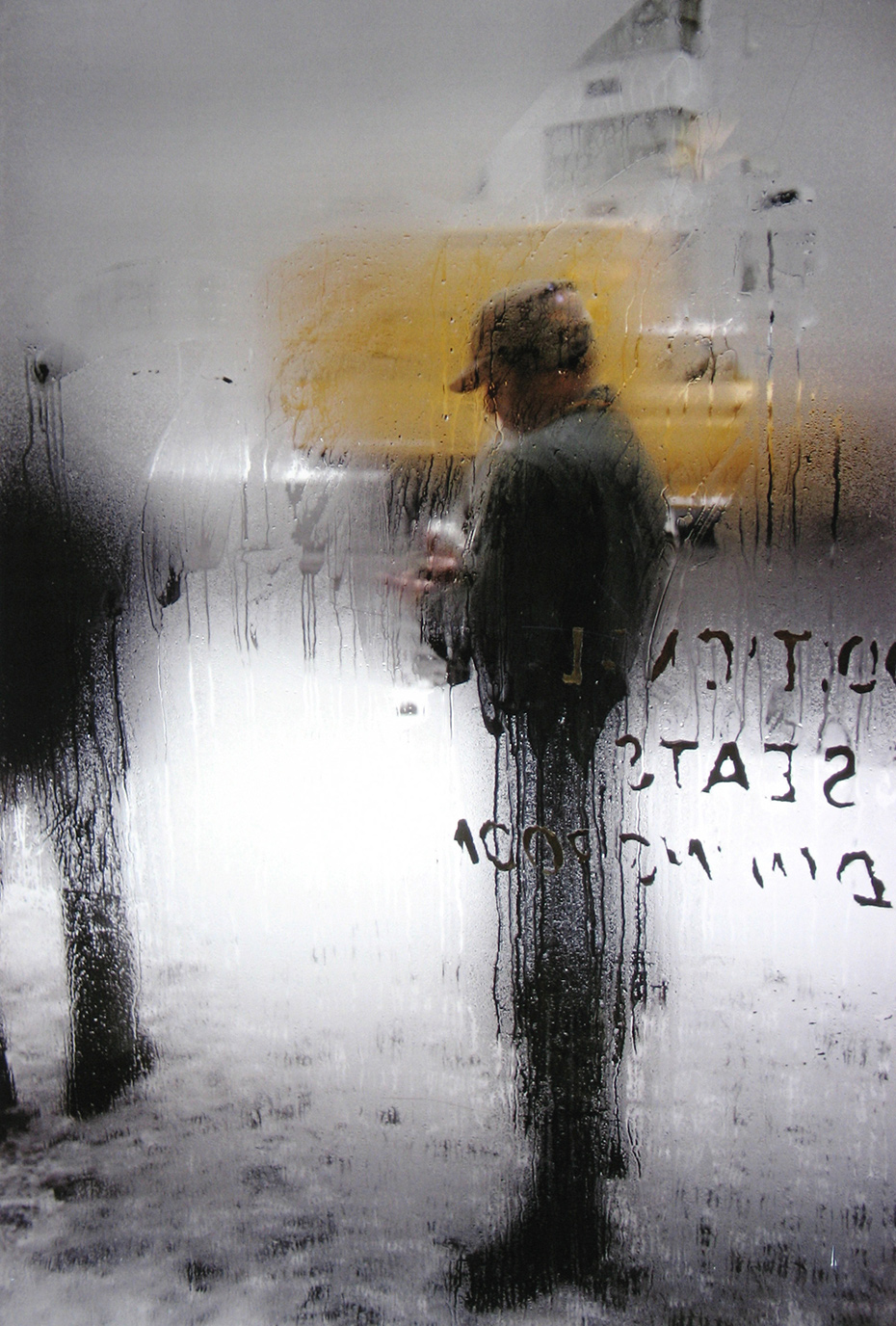
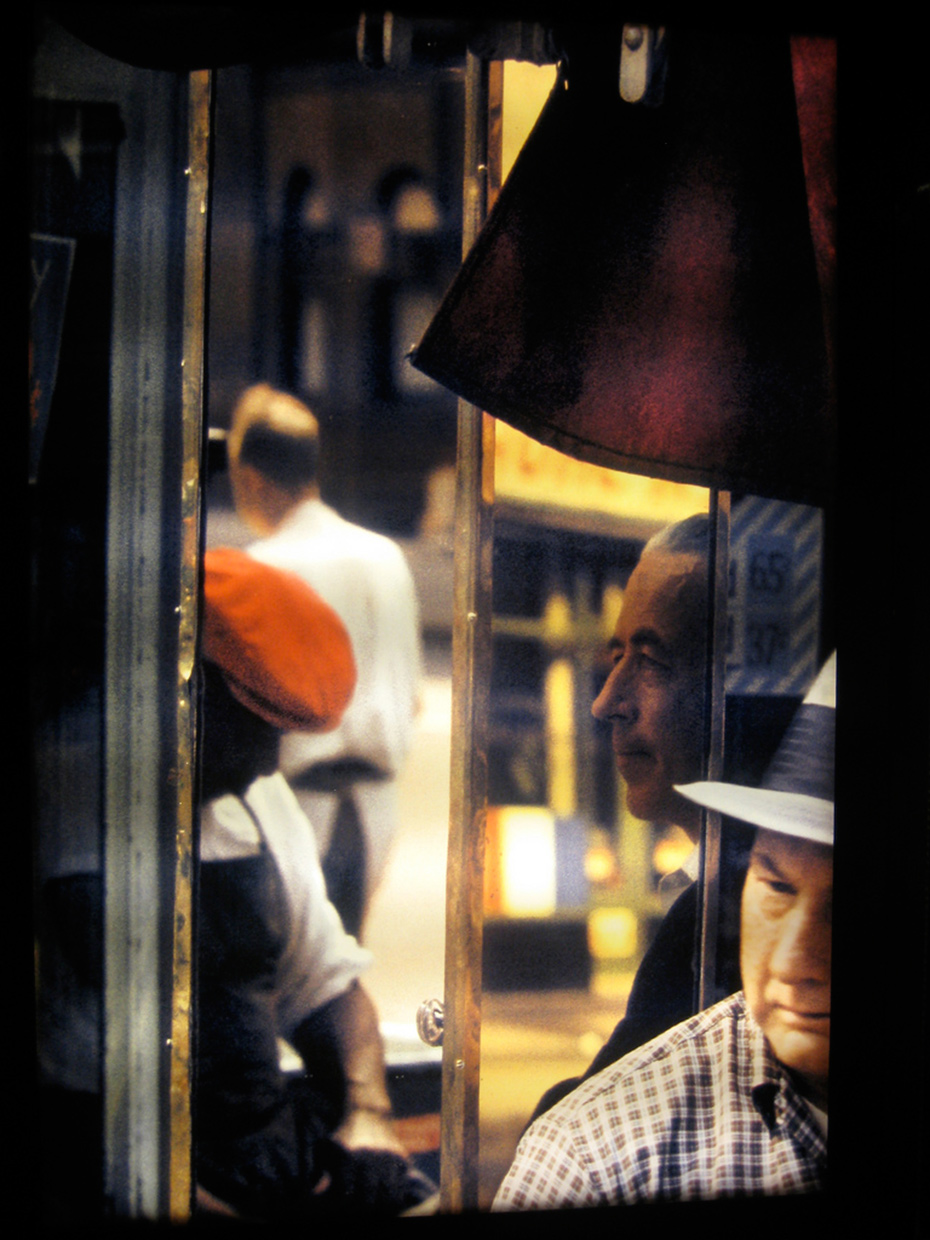
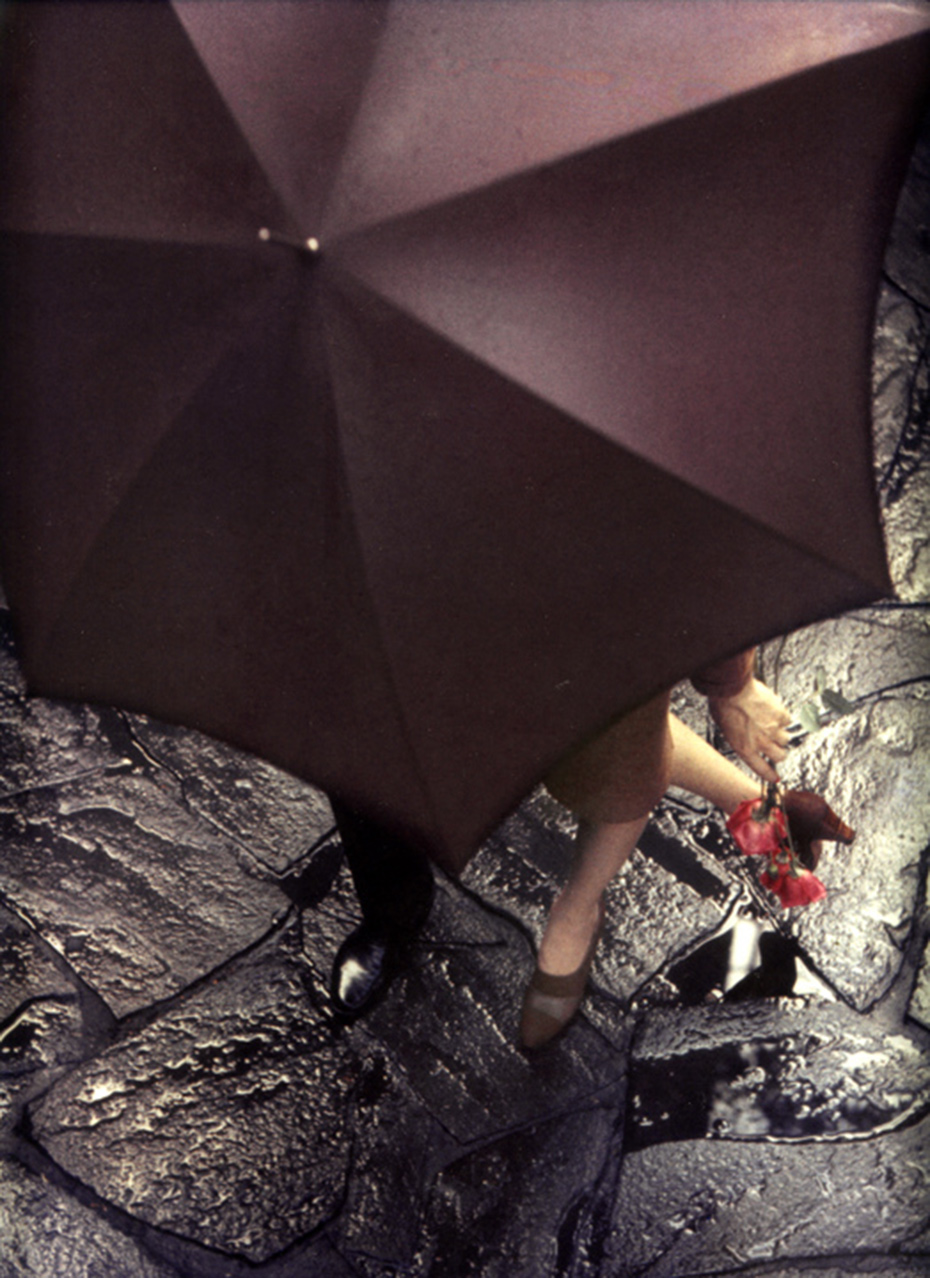
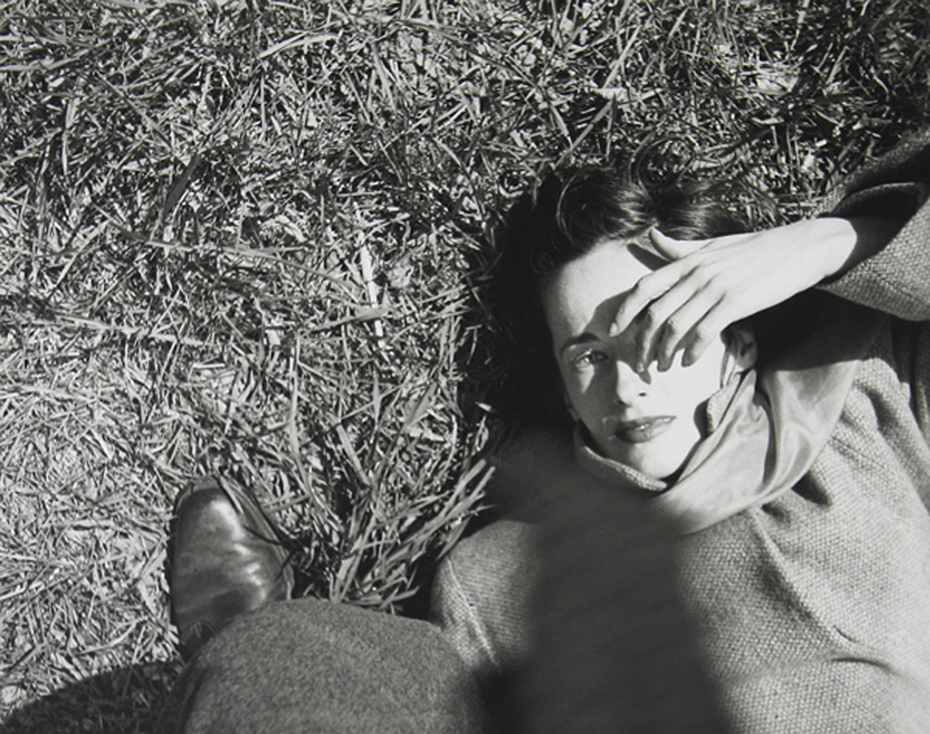
Remembering Saul Leiter 1923-2013
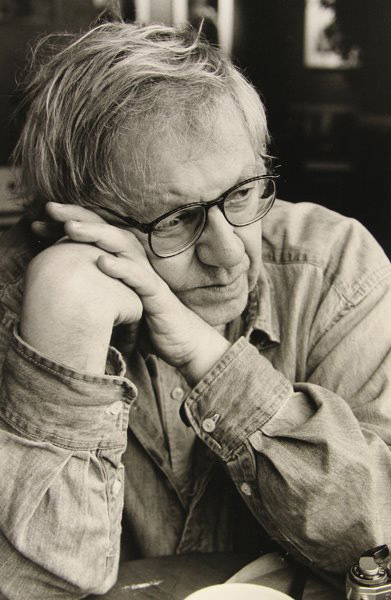 A self-taught photographer, Leiter undertook his artistic education by spending every summer in the library of the University of Pittsburgh and visiting exhibitions at the Museum of Modern Art in New York. He devoted himself primarily to painting and it is thanks to the abstract expressionist painter Richard Poussette-Dart that he began to take a serious interest in photography. In 1947, he discovered ‘street photography’ by visiting the exhibition of Henri Cartier-Bresson at MoMA and at the same time became the owner of a Leica. He photographed the streets of New York in black and white and in the following year became interested in colour. In 1953, Saul Leiter opened a photographic studio on Bleecker Street and has worked for thirty years for the most prestigious magazines such as Harper’s Bazaar, Esquire, Elle and British Vogue. (source)
“Leiter was perhaps the most interesting of the fifties color photographers in his use of form. (Teju Cole – New Yorker)”
“What is particularly interesting about Leiter’s colour (and many of his b/w) photographs is his way of seeing, his way of working with reflections and windows, his layering of information. Many of those photographs are very complex even though they look simple at first sight (this could be a good criterion for what makes a good photograph). Even if one was not very interested in the whole debate about the history of colour (which I’d certainly understand), I don’t think one can that easily pass by the opportunity to experience this particular way of seeing. “ (source – book review by Joerg Colberg)
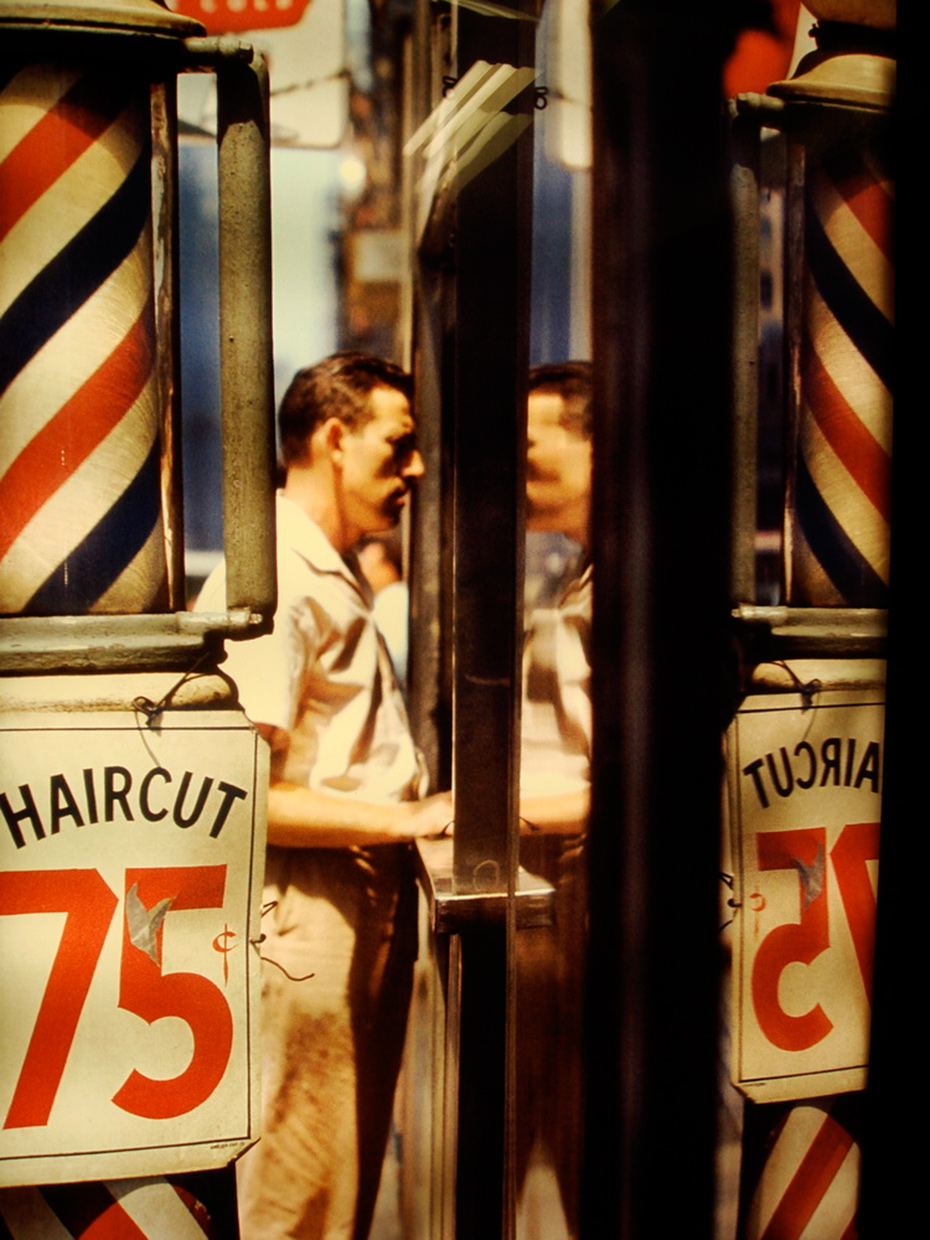
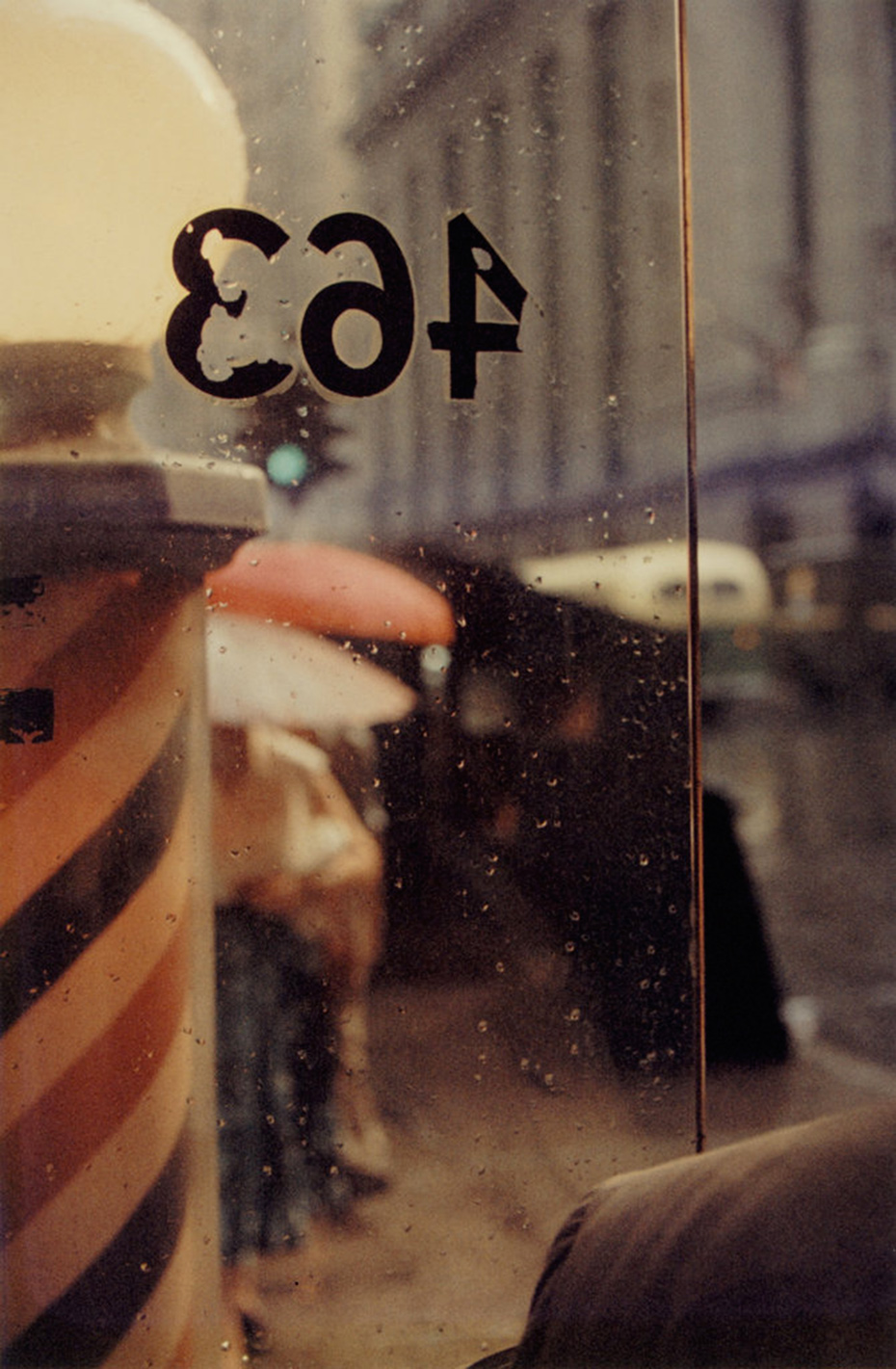
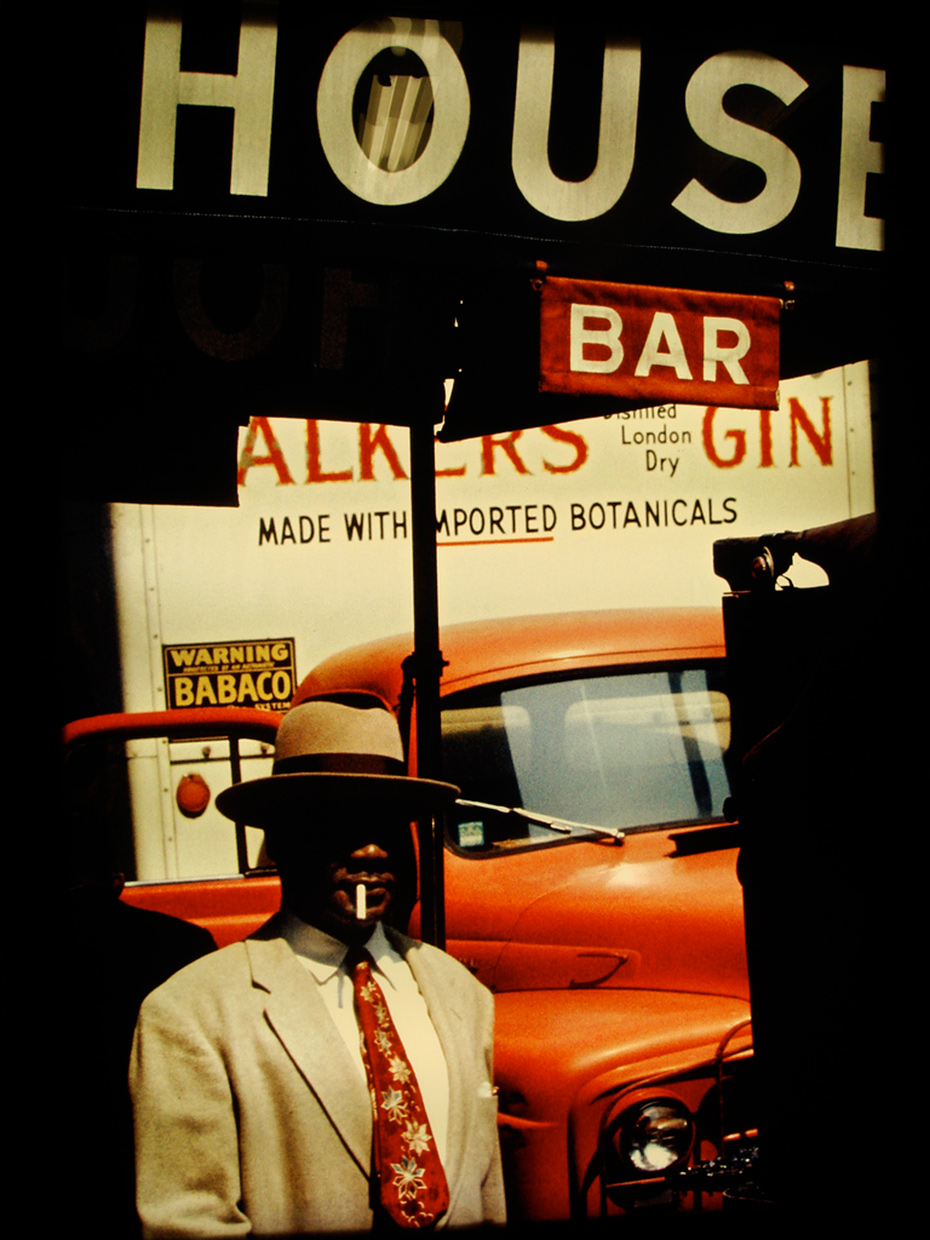
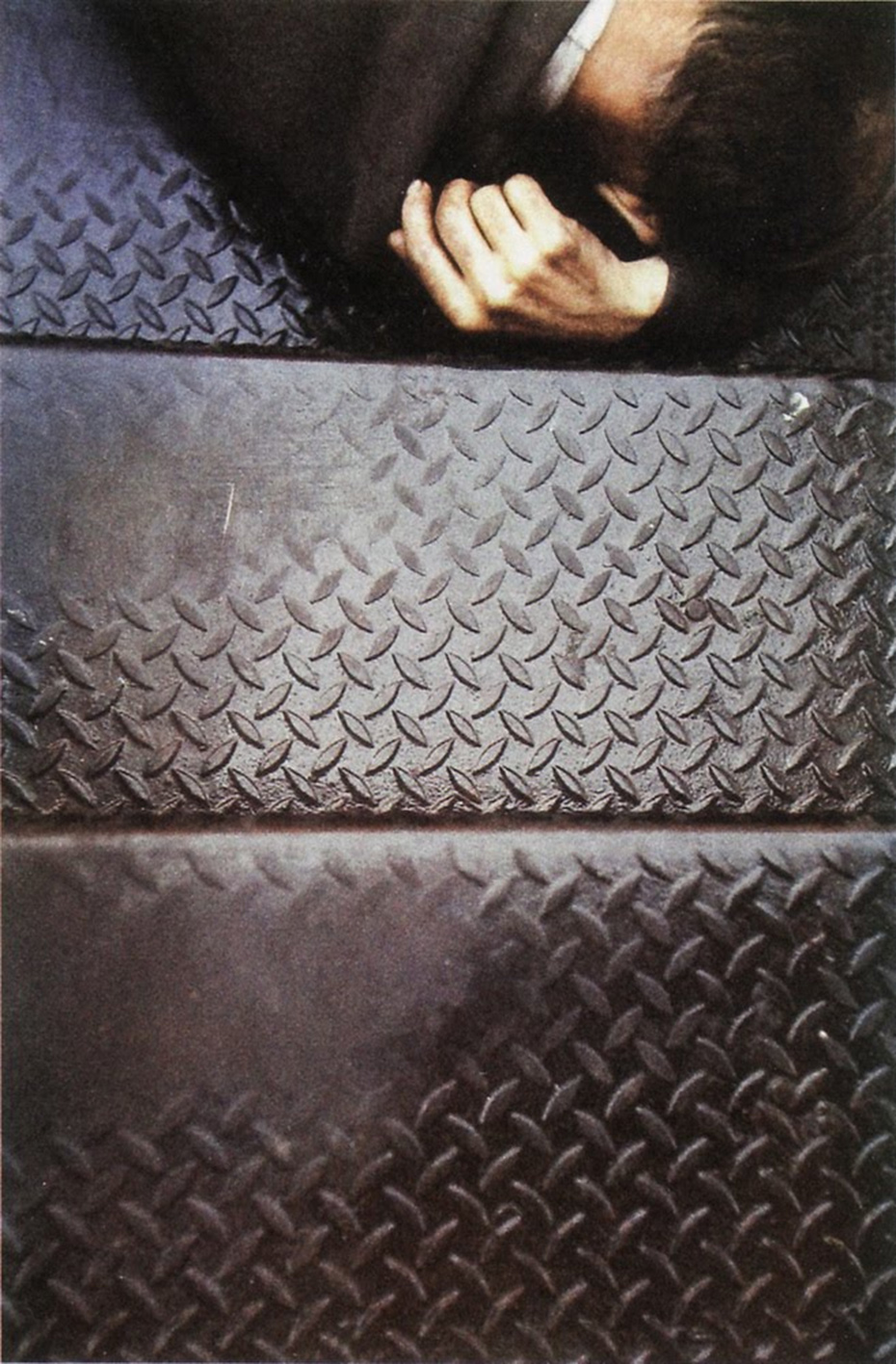
About A Photograph – Acey Harper
“Private Acts”
This photograph comes from the book Private Acts, photographed by California based photographer, Acey Harper. These stunning photographs by Acey Harper expose the art of the acrobat, where nerve, muscle and fierce concentration conspire to defy mortal limits.
Photo : Morgaine Rosenthal hangs by her mouth from the back of a ’57 Chevy truck.
With thanks to Acey Harper and Triple Scoop Music. triplescoopmusic.com/
Produced by Kurt Rogers and Deanne Fitzmaurice.
Sponsored by thinkTankPhoto.com
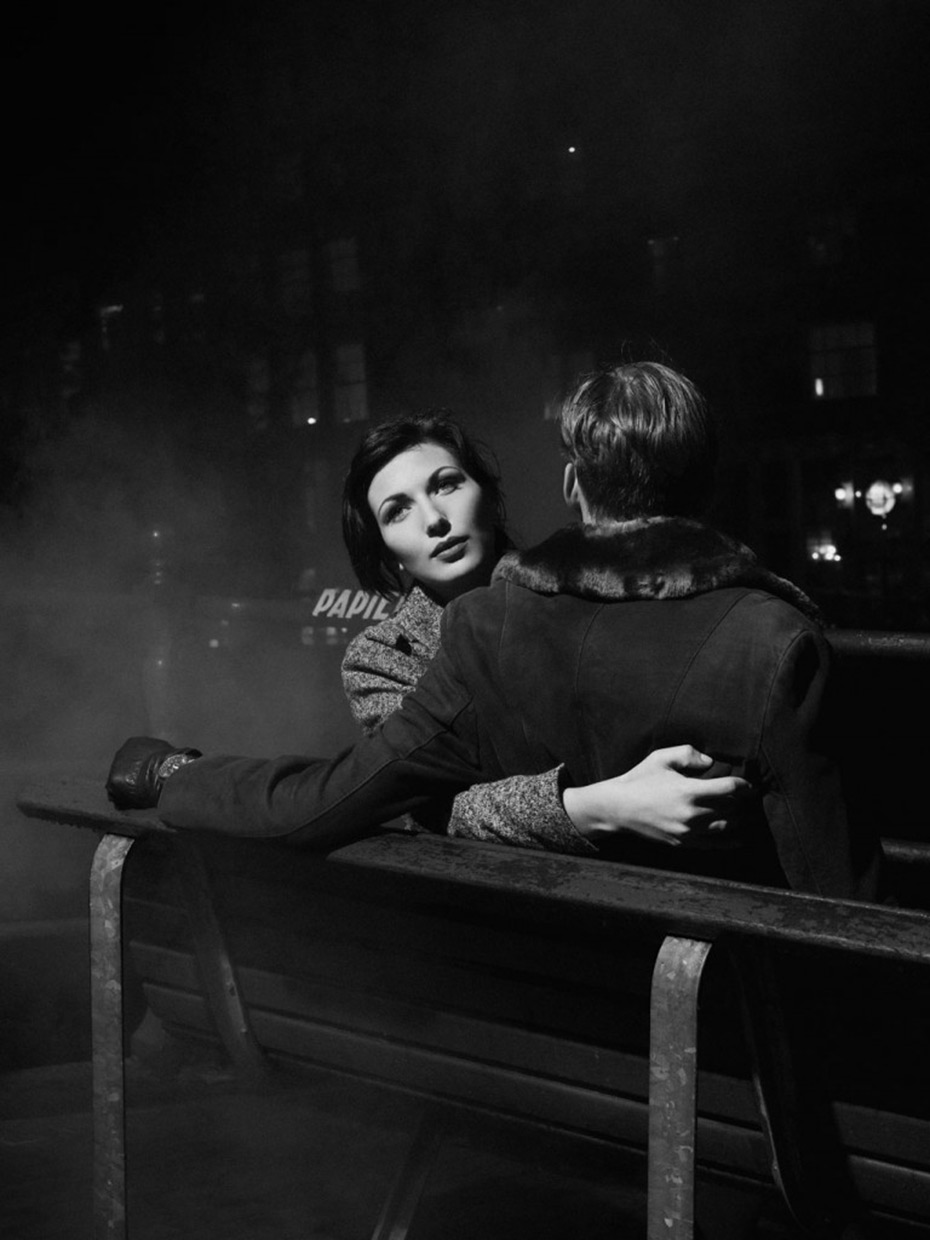
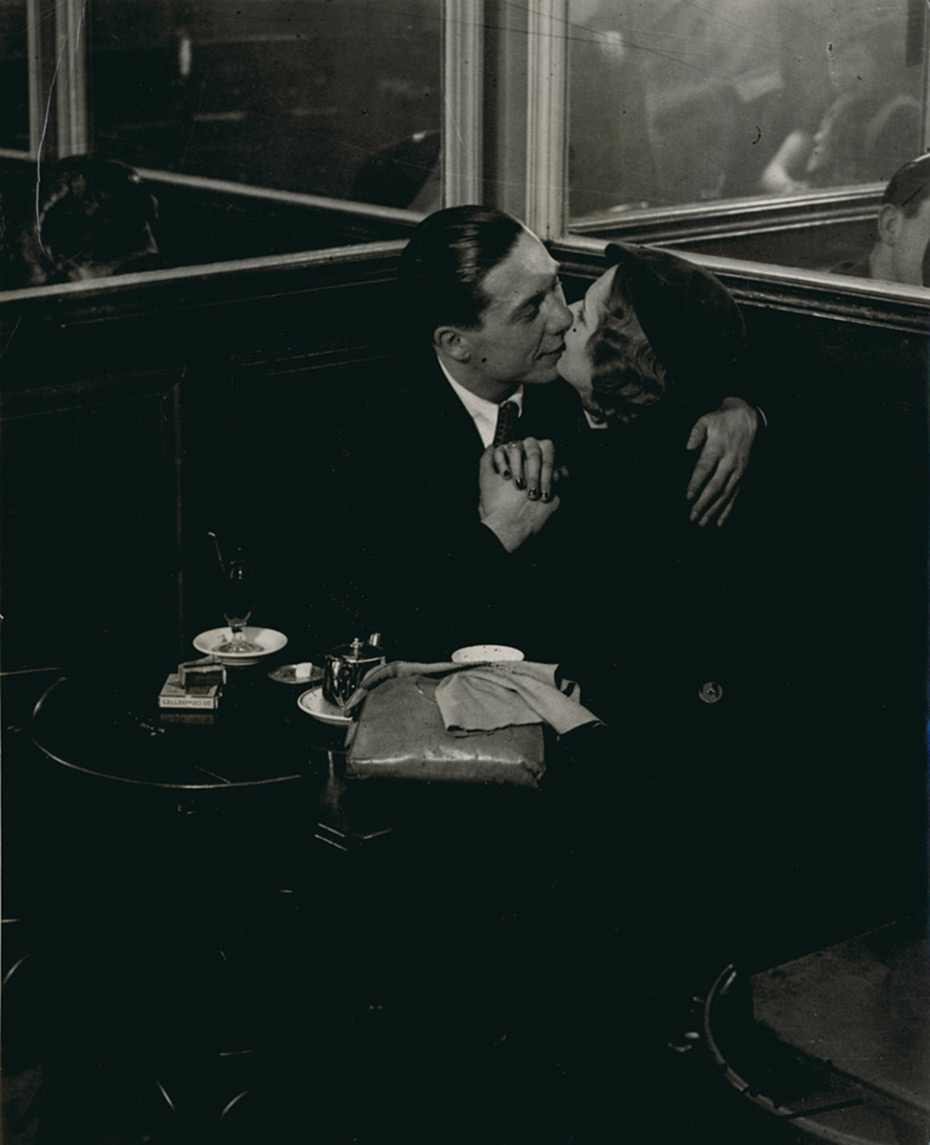
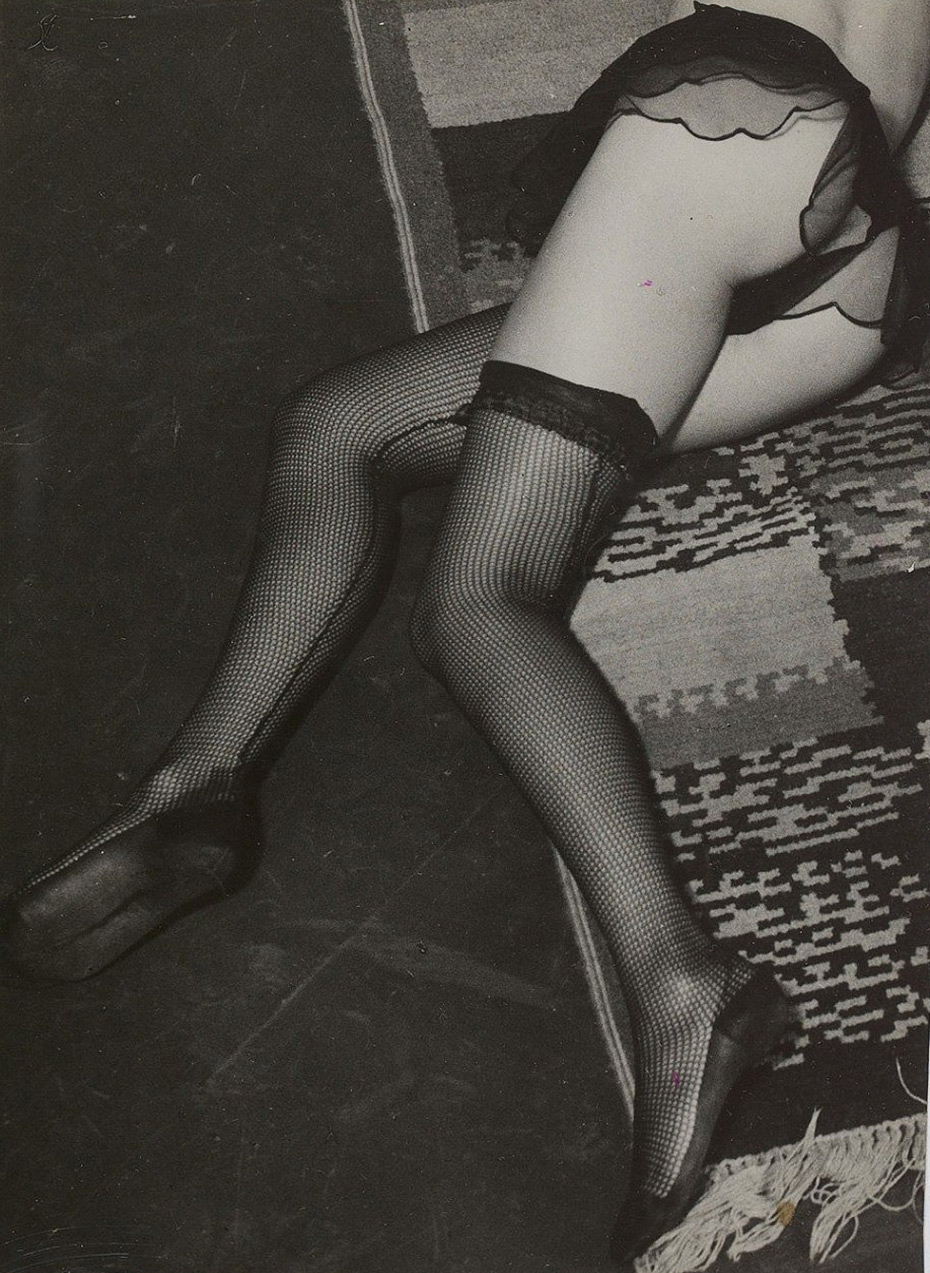
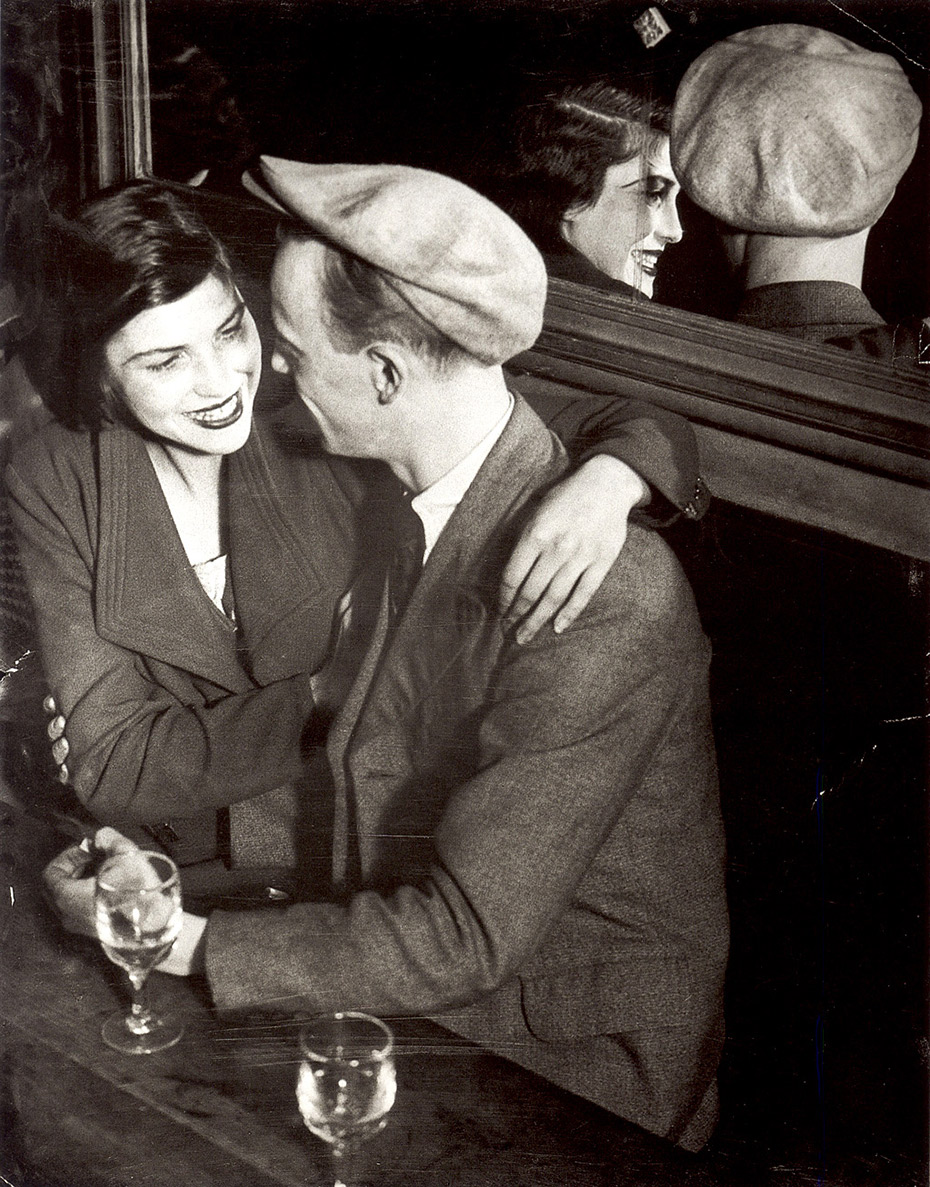
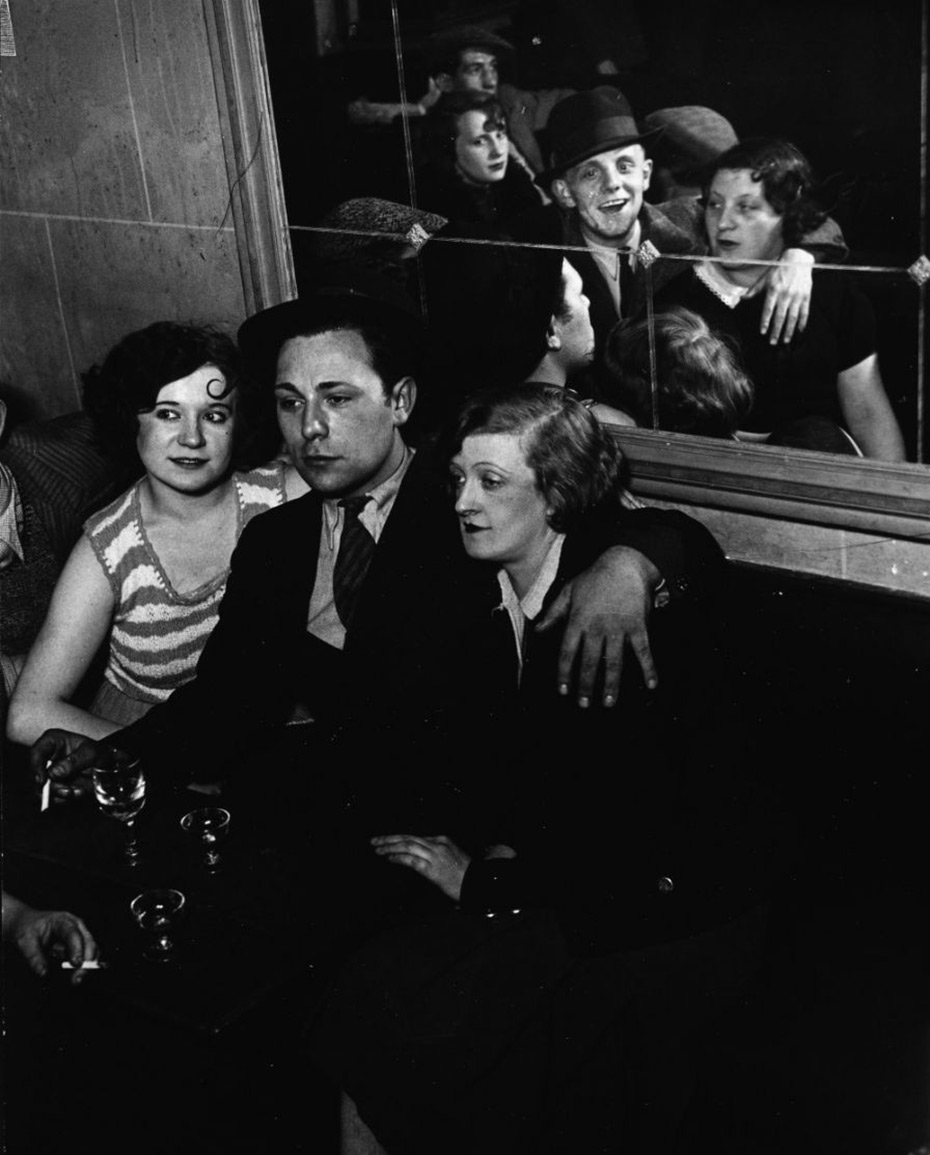
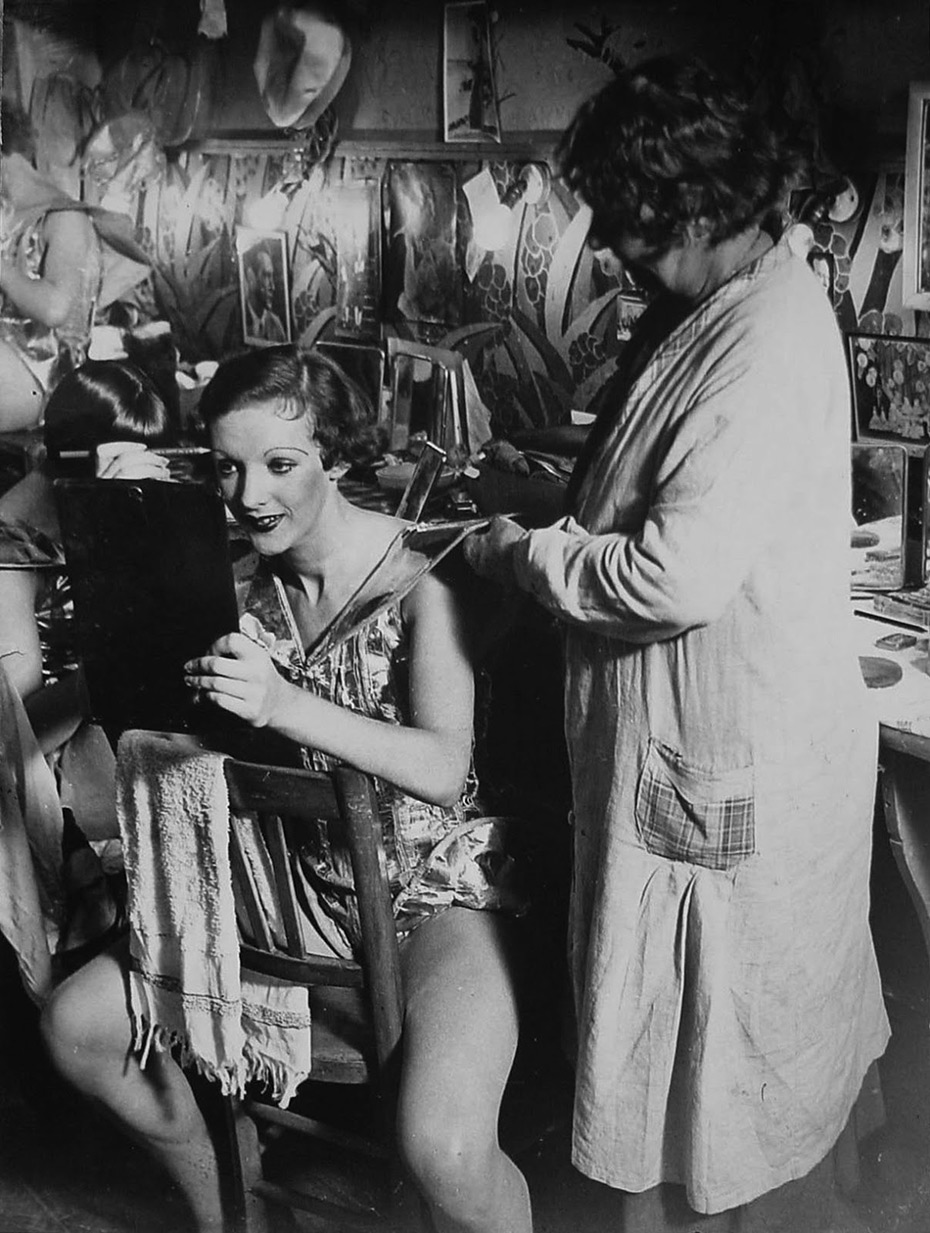
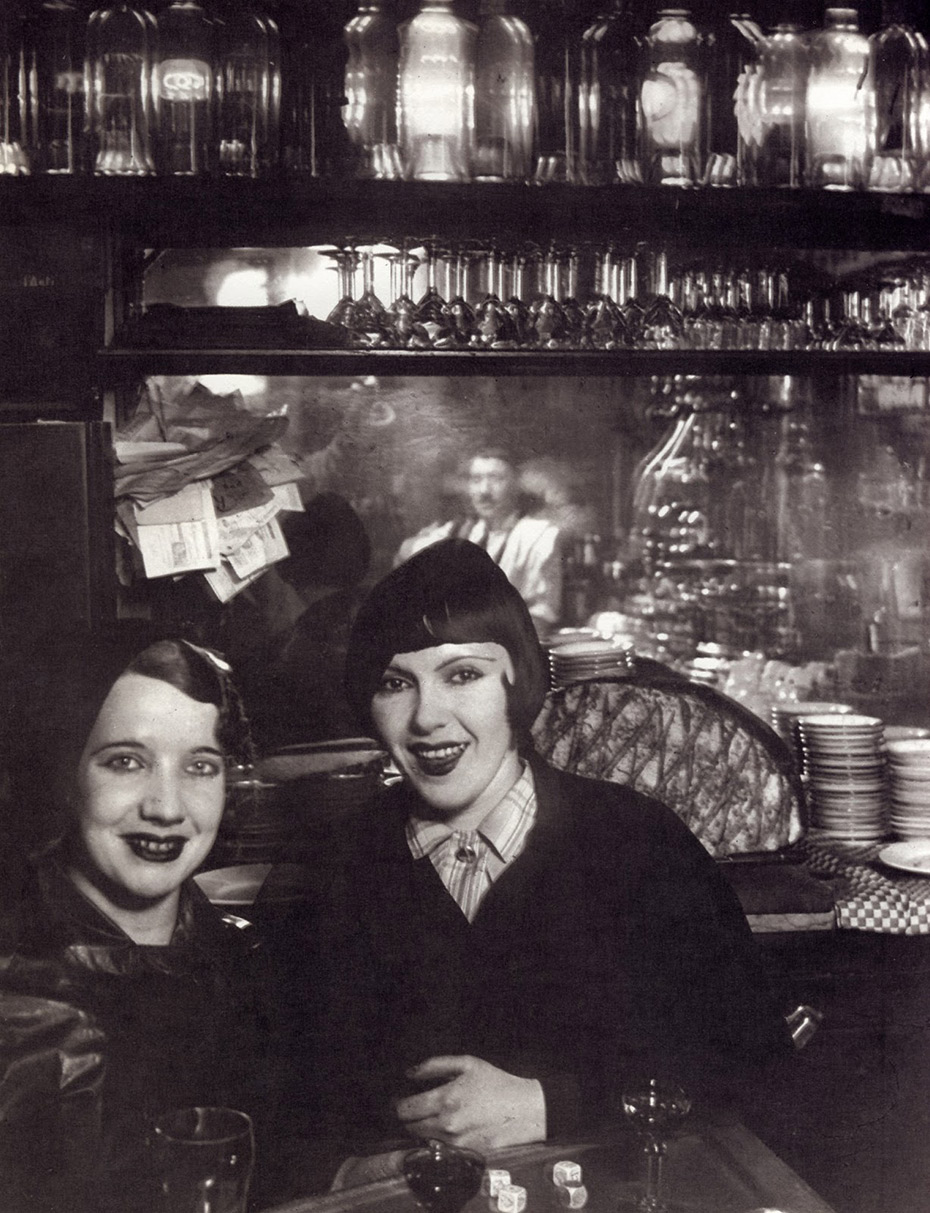
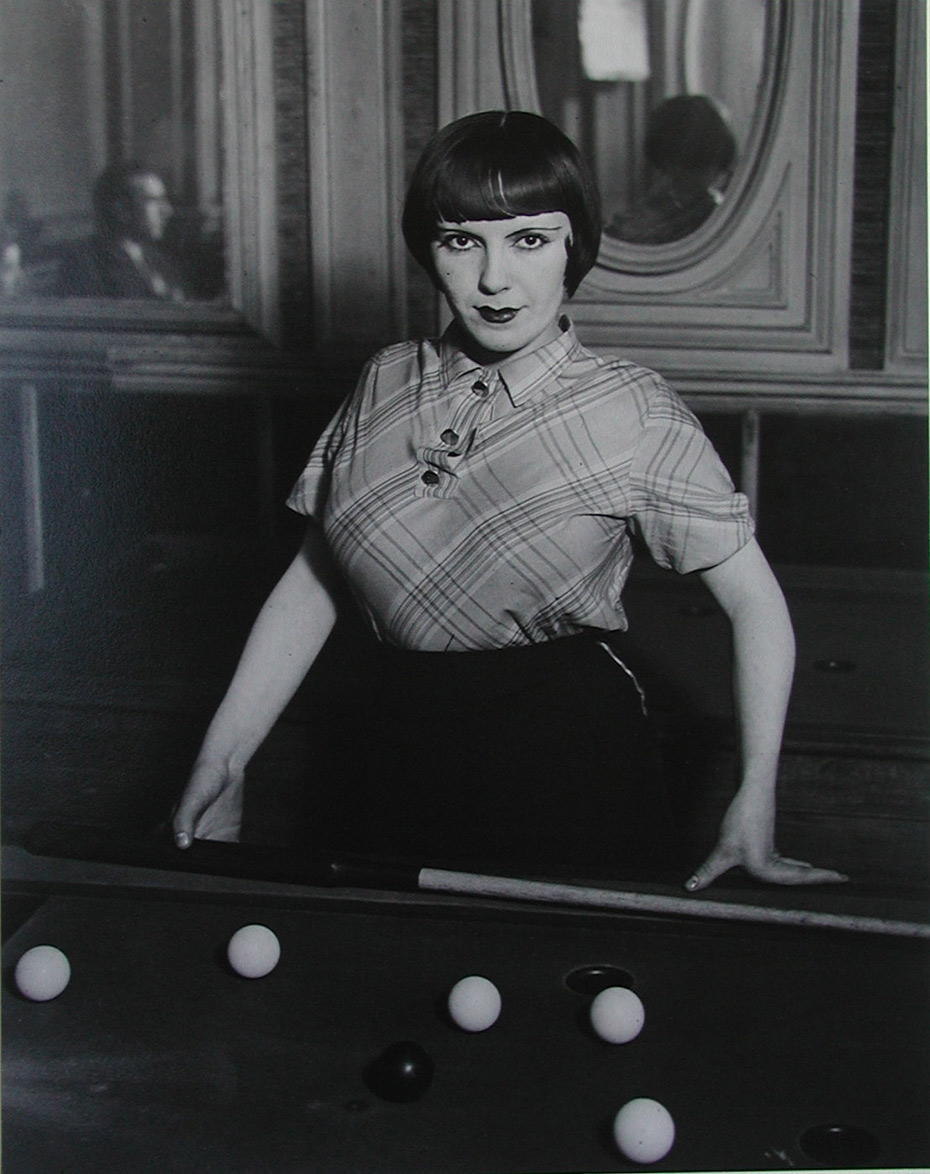
One of the most renowned photographers of the interwar period, Brassaï’s reputation rests on contributions to both commercial and avant-garde photography. His long-time friend, the author Henry Miller, nicknamed him “The Eye of Paris” for his devotion to the city, and he was close to many of its artists. His enduring relationship with Picasso in particular yielded many famous portraits of the artist, as well as important books. His first photo-book, published in 1933 and entitled Paris de nuit (published in English as Paris After Dark), remains the most famous exploration of the city’s hidden underbelly, and is considered a classic of early street photography. His series of photo-books of Paris graffiti have also been hugely influential.
 Born Gyula Halász, in the Transylvanian town of Brassó, he was trained as a painter in Budapest, and then in Berlin. He moved to Paris in 1924 and supported himself as a journalist, writing for publications throughout Europe and the United States (it was in Paris that he changed his name to Brassaï, meaning “from Brassó”). He only turned to photography to document his articles but eventually he became enchanted with the medium. At night he would venture out to capture the city’s deserted streets, its shadowed monuments, and those who only emerged after dark – prostitutes, street cleaners, and rag pickers – many of whom he captured in candid photographs. From 1943-45, when working as a photographer was difficult due to the German occupation, Picasso encouraged him to return to drawing, and later sculpture. He was also an accomplished writer and painter. But Brassaï’s career as a photographer resumed after the war and continued through the late 1960s; it includes work for periodicals including Harper’s Bazaar, Picture Post, and Surrealist magazines such as Verve and Minotaur. He is buried in Montparnasse Cemetery in Paris.
Brassaï was the subject of several major exhibitions during his lifetime, and recent retrospectives have included “Brassaï: The Soul of Paris,” at the Centre Pompidou, Paris, 2000 (toured to the Hayward Gallery, London); and “Brassaï: The Eye of Paris,” at the Museum of Fine Arts, Houston, 1998 (toured to J Paul Getty Museum, Los Angeles; National Gallery of art, Washington, D.C.). His publications include Le Paris secret des années 30 (1976); Conversations avec Picasso (1964); and, co-authored with Picasso, Graffiti (1960). He was the recipient of several major awards, including the Gold Medal for Photography at the Venice Biennale (1957), the first Grand Prix National de la Photographie (1978), the Chevalier des Arts et des Lettres (1974), and the Chevalier de l’Order de la Legion d’honneur (1976). His film, Tant qu’il aura des bêtes won Most Original Film at the 1956 Cannes Film Festival.
Source: http://www.houkgallery.com/artists/brassai/ + http://en.wikipedia.org/wiki/Brassaï
Chances are if you walked past a National Geographic photographer on the street, you wouldn’t know it—and that’s how they like it. As photographer and Editor at Large Michael “Nick” Nichols puts it, “I want people to remember the pictures, not my name or what I look like.” But as part of our 125th anniversary special issue this October, we wanted to turn the camera around on Nick and his fellow photographers.
The photographers of National Geographic magazine come from all walks of life. Their insights about the world are built over lifetimes devoted to documenting the lives of others. Their pictures are proof of their passion. But beyond the photographs, so many of these photographers are my heroes. They are our friends, our colleagues, our community. And with these upcoming videos, we want to share with you why.
This video portrait series is a labor of love. It involved sitting down with 44 photographers coming through headquarters this year to talk with me about how they found photography, and why they never left. From my interviewer’s chair, it felt like traveling to endless worlds without ever moving an inch. These were not your typical interviews; they were shoptalk conversations that didn’t seem to start or end in that room. We recently premiered this first installment, comprised of excerpts, at the international photography festival Visa Pour l’Image in Perpignan, France. Consider this a sneak peek of each resulting individual video portrait that is to come.
More here: http://proof.nationalgeographic.com/2013/09/15/the-photographers-on-photography/
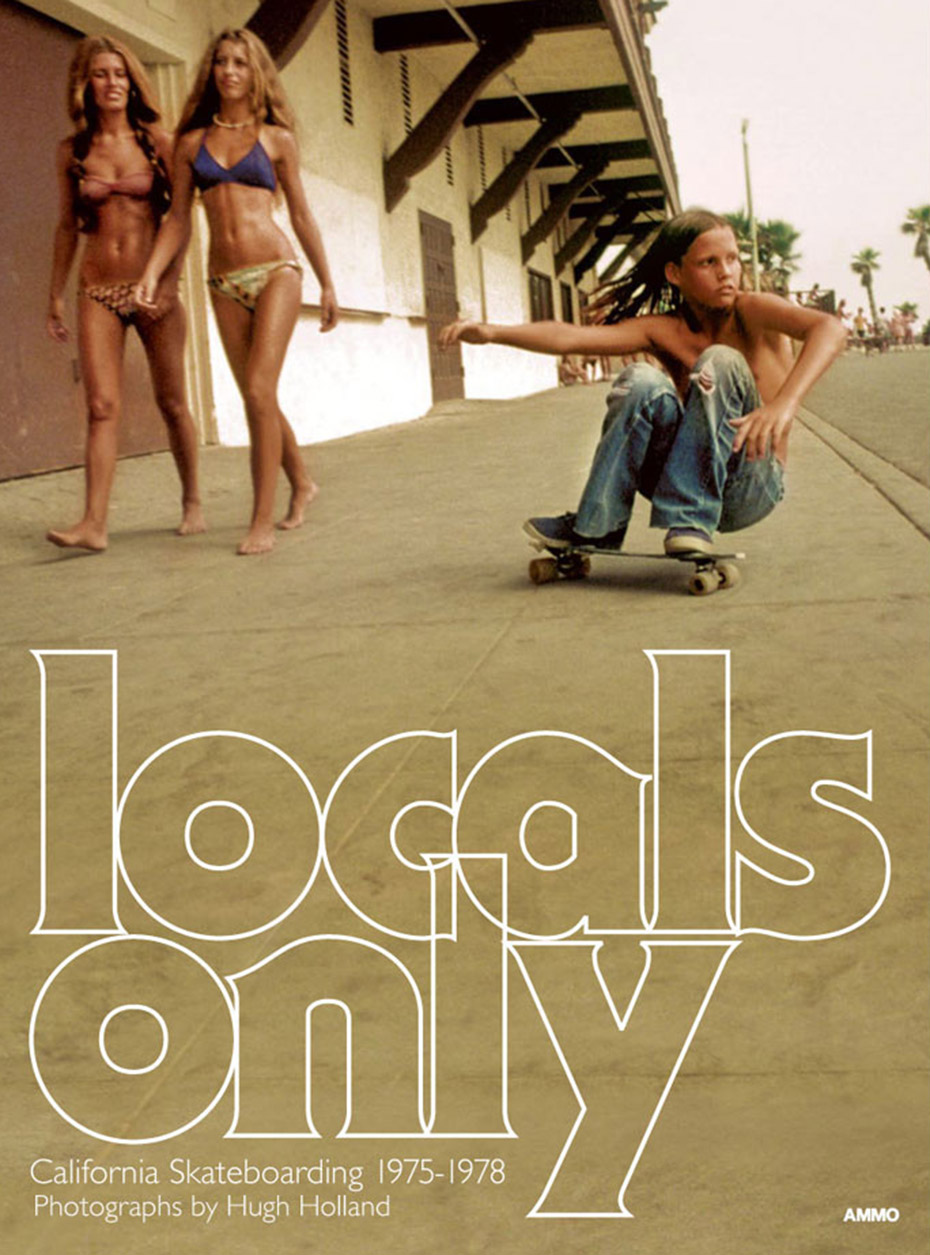
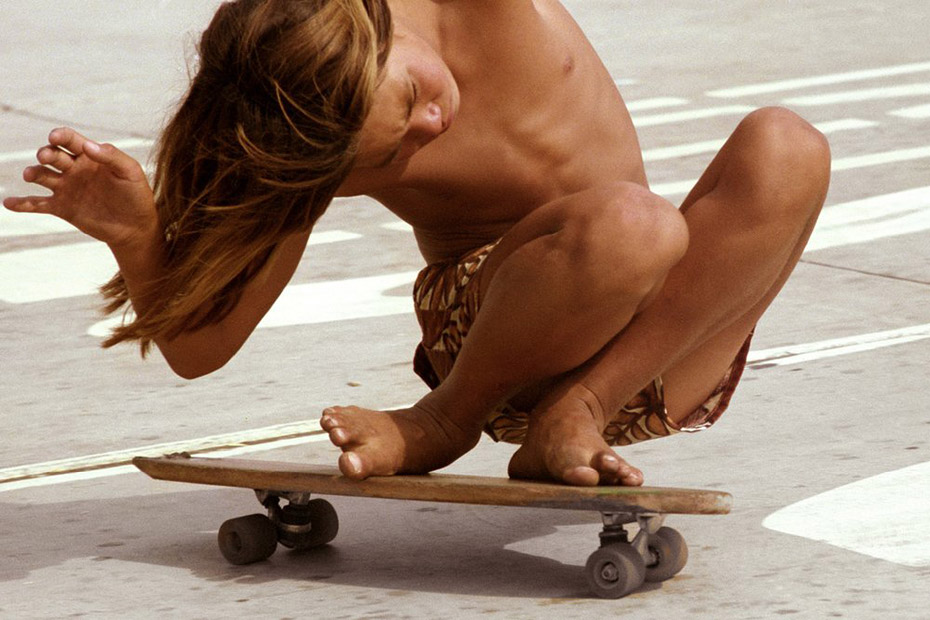
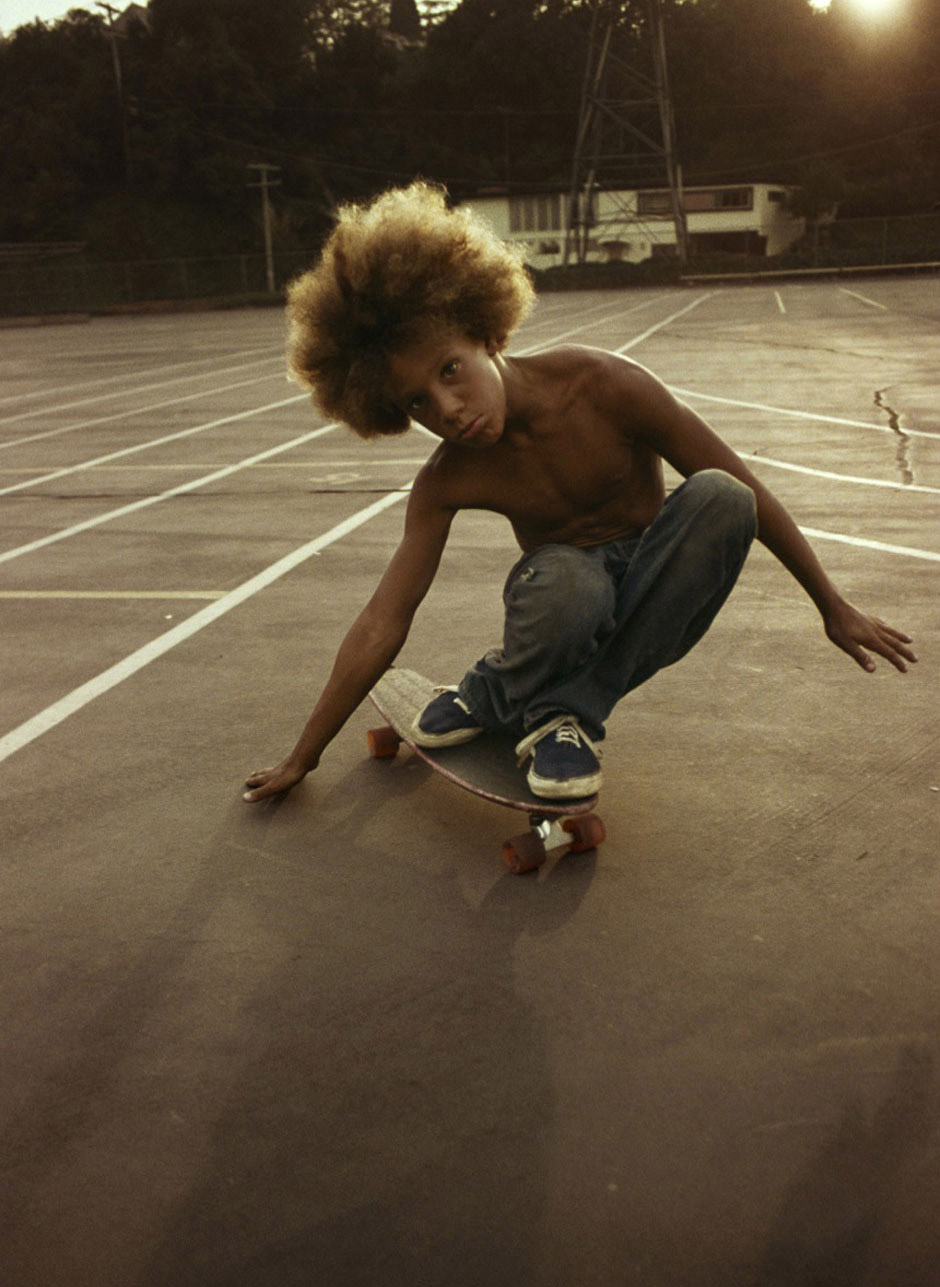
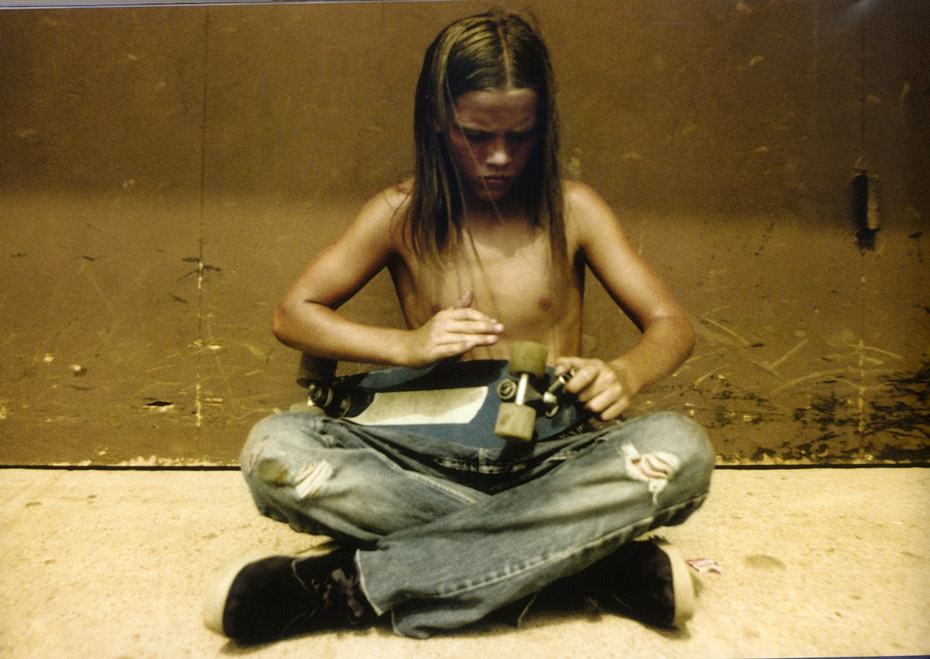
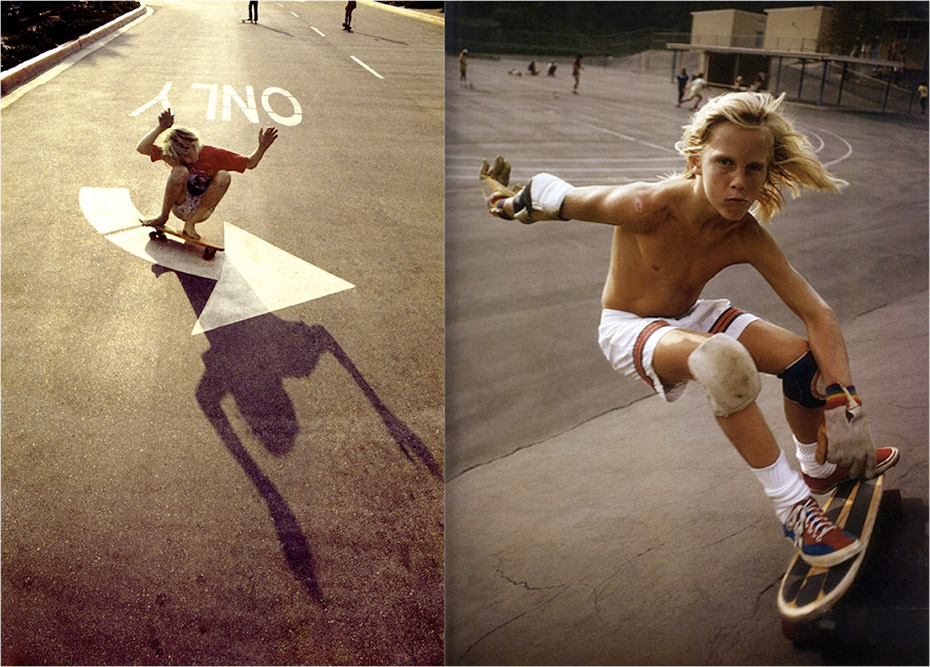
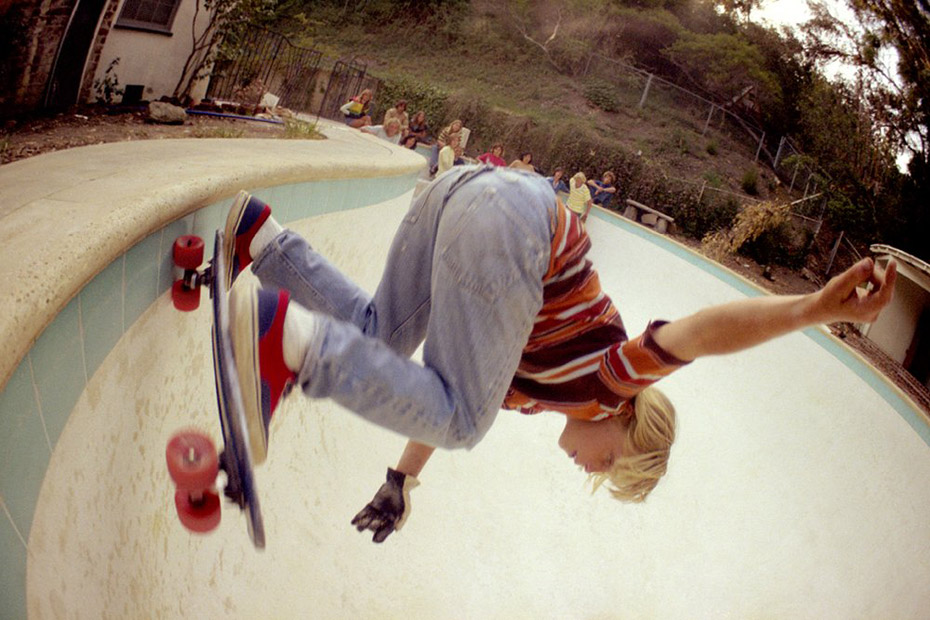
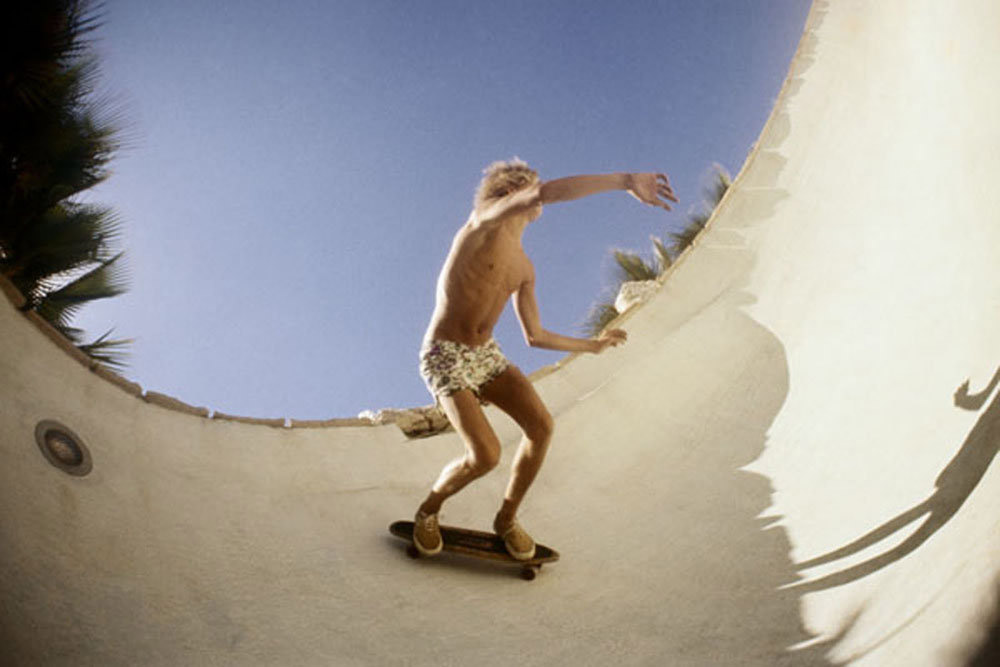
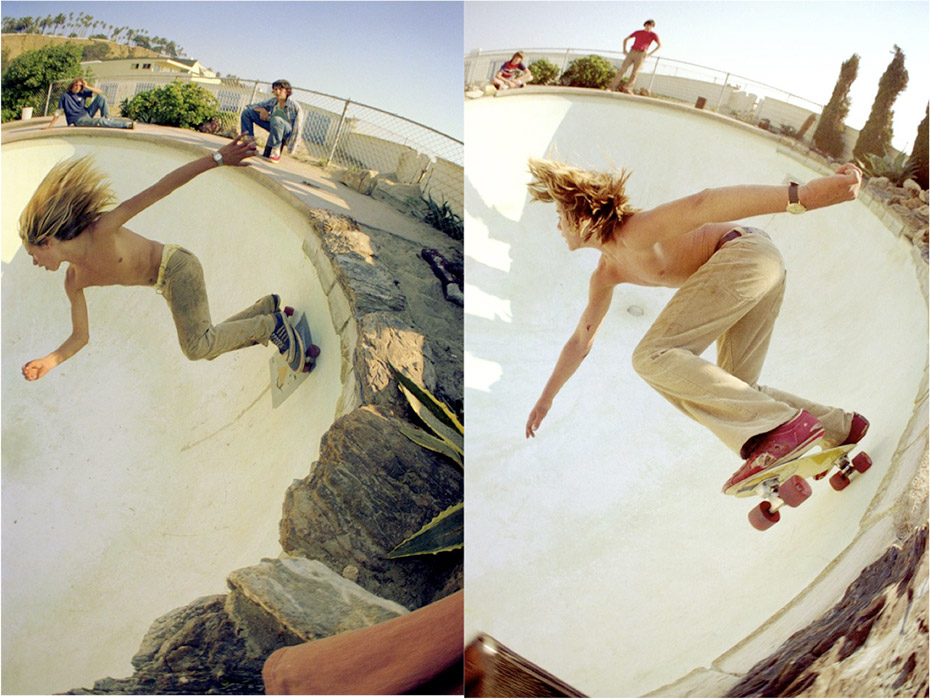
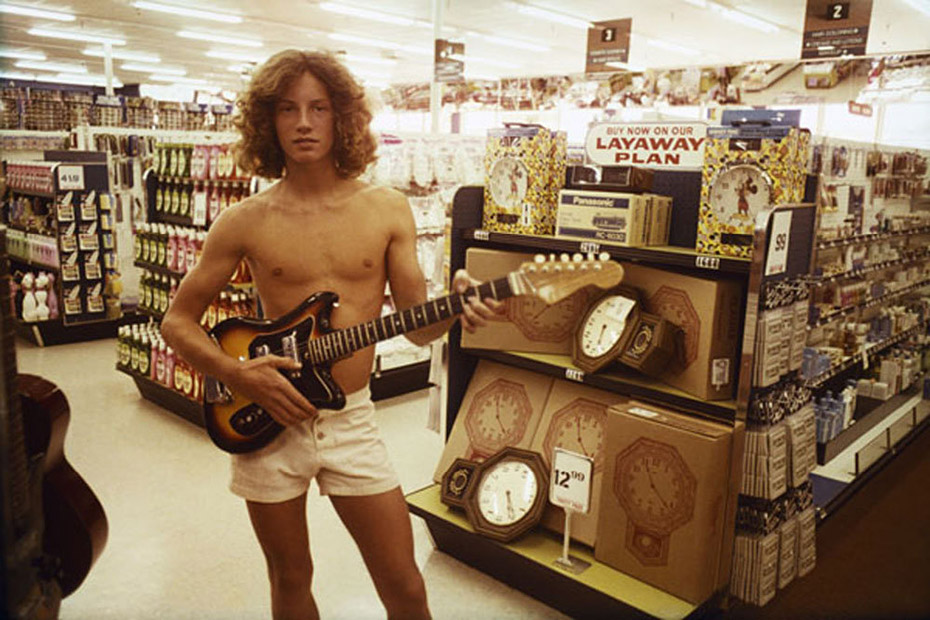
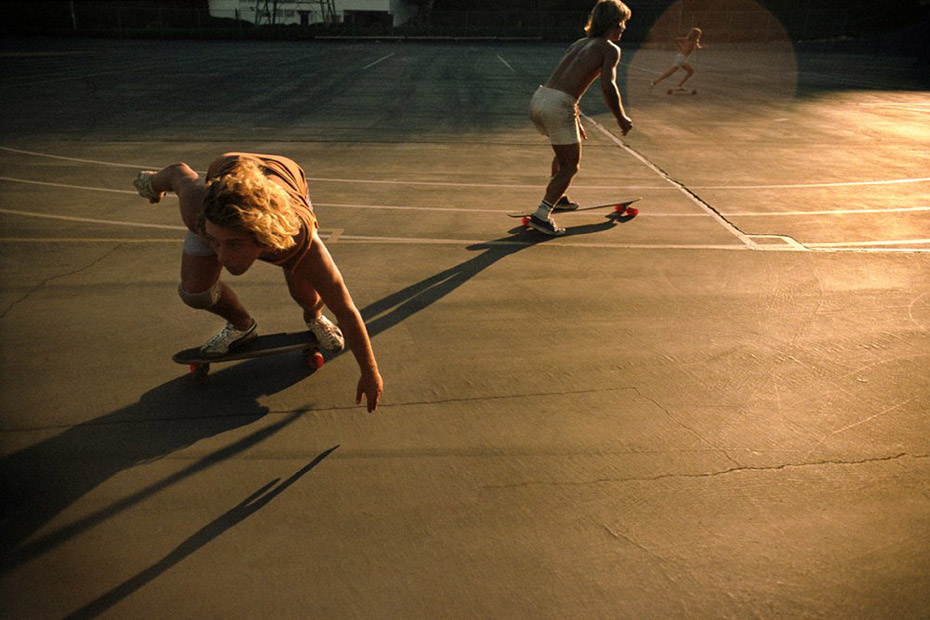
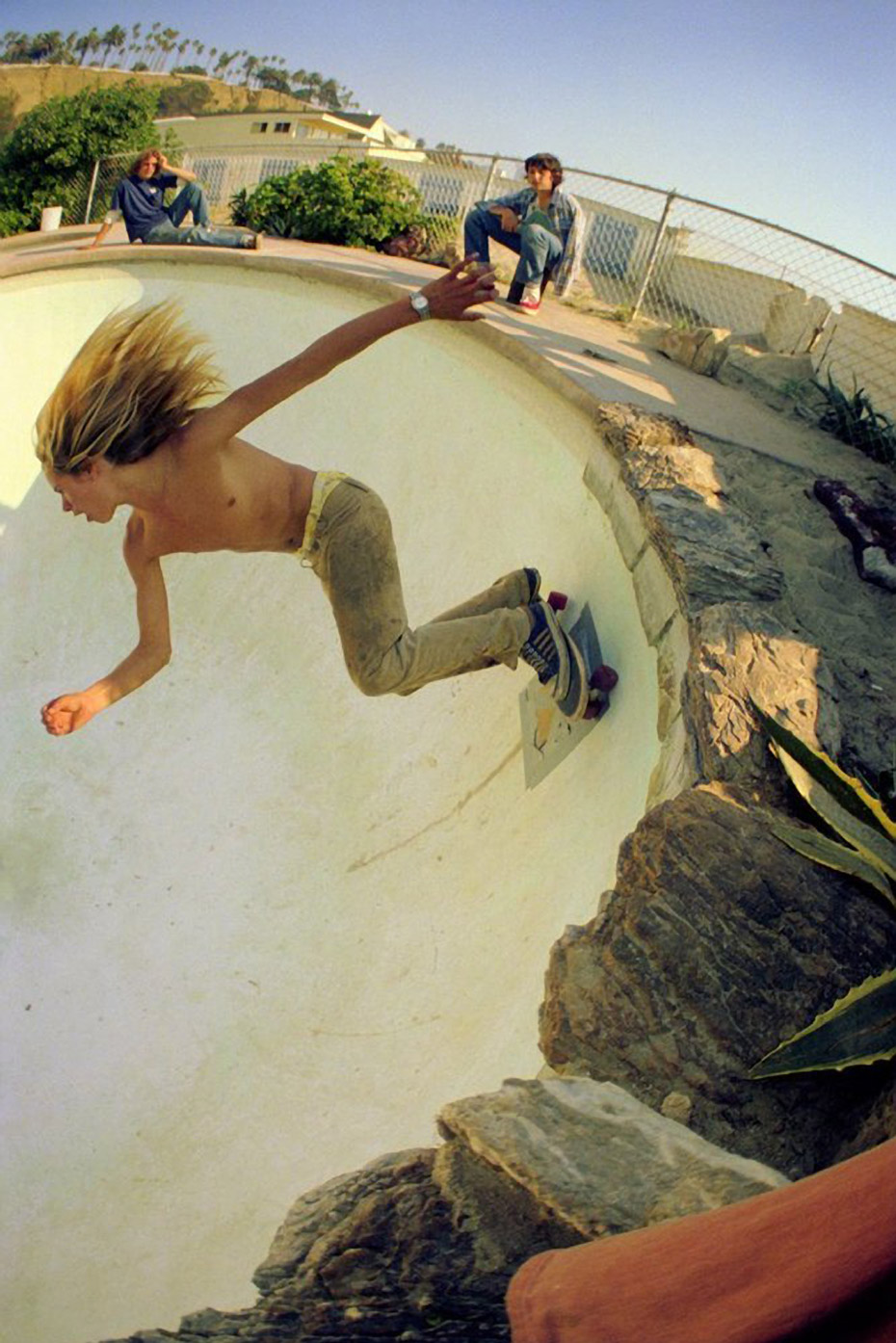
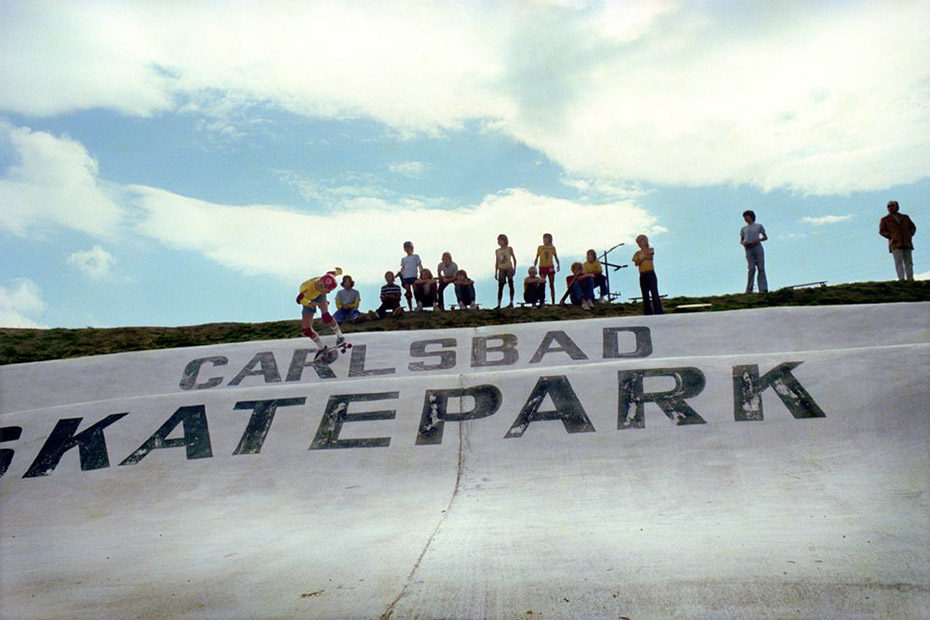
The shorts were… well… short, the pads were shit, the hair was long, the deck was thin, the socks were high, the kick was invisible, the ollie was but a dream and the skating was pure. Free from a multi-billion dollar industry and free from fame seeking egos, the mid seventies represent the adolesence of the skateboarding movement. A time where empty pools were the ultimate haven and skaters nurtured the idea of being vertical. It was such an amazing period… everything was new.
Although not a skater himself Oklahoma photographer Hugh Holland as an observer was captivated by skateboarding. He soon befriended the boys from the Santa Monica and Venice skateboarding scene (including the legendary Z-boys) and drove the boys from skate spot to skate spot documenting the beginning of what modern skateboarding has become. His photos were shot mostly in the late afternoon with old negative movie film giving his images a warm and soft tone. Awesome work.
Source:
http://www.lifelounge.com.au/photography/news/hugh-holland.aspx